

- The Shanghai-based start-up FoloToy is leveraging generative AI to evolve traditional companion toys into smart devices capable of natural, conversational interactions.
- FoloToy has collaborated with toymakers to integrate large language models into toy designs, thus upgrading them for enhanced functionality.
Based in Shanghai, FoloToy is revolutionising the world of smart toys by integrating generative artificial intelligence (AI) into traditional companion toys. Co-founded by visionary entrepreneurs Larry Wang and Guo Xinghua, the start-up has collaborated with over several toymakers to upgrade toy designs using large language models (LLMs), like the groundbreaking technology of ChatGPT. This innovative approach enables the toys to engage in natural, conversational interactions with children, aligning with the rising trend of technology-infused toys.
We recently had the opportunity to sit down with Larry Wang, co-founder of FoloToy. He shares insights into his inspiration and vision for creating custom AI toys for children, the challenges encountered during toy development, and his vision for the future of smart toys.
Inspiration behind FoloToy: Making custom AI toys for kids
“Story-telling toys can be significantly enhanced by integrating them with large language models. This would improve interactivity and impart a greater volume of knowledge, making the learning experience more engaging and beneficial for children.”
Larry Wang, co-founder of FoloToy
Inspired by his background in robotics and intelligent hardware development, Larry Wang, co-founder of FoloToy, embarked on a journey to create AI toys for his own children. Recognising the absence of AI models specifically designed for children in the market, Wang set out to fill this gap. He said, “Given that I have customised toys for my son, I believe there must be many developers and fathers like myself who share this passion. These hands-on enthusiasts would also derive enjoyment from creating such items.”
Navigating the challenges of toy development
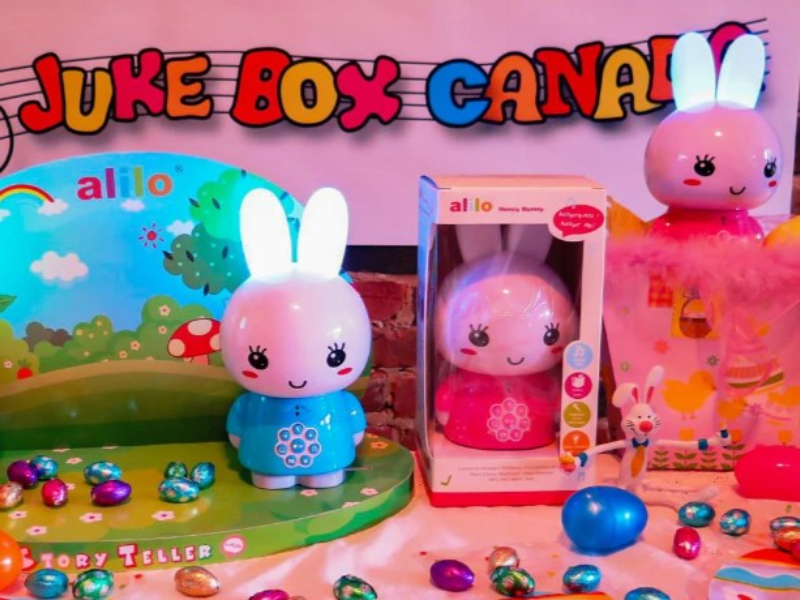
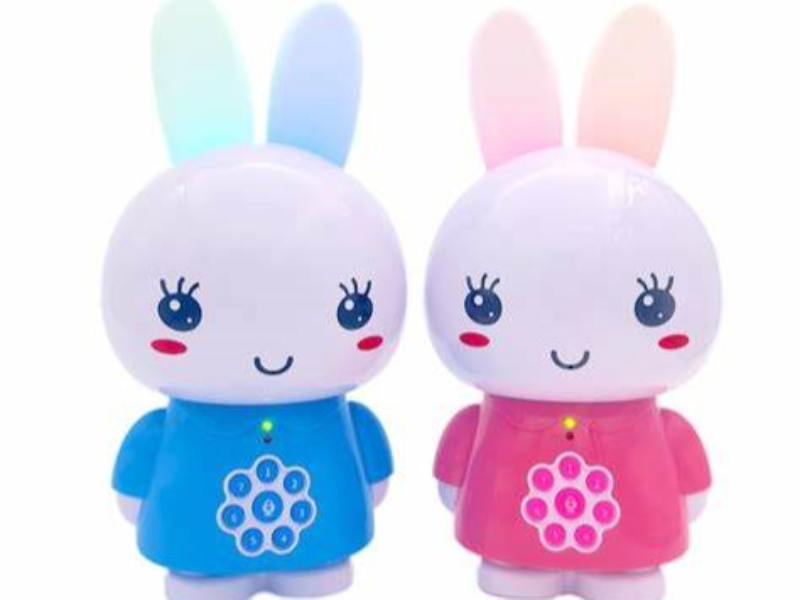
Reflecting on the numerous challenges encountered during the development of AI toys, Wang shares, “Initially, our team didn’t have much experience in toy design; we focused mainly on hardware. Our main priority was ensuring that the toys were safe and easy to use, especially for children.” This led them to consider the materials and design from the outset, ensuring that only environmentally friendly and safe materials were used. The team repurposed existing toys, such as Alilo Bunny, by retaining the outer shell while redesigning the circuit board.
They developed server programs and other necessary software to ensure the toy functioned correctly. This approach enabled collaboration with established toy manufacturers, accelerating the development process and avoiding the need to start from scratch.
Also read: Interview with Plutoless, co-founder of Project Astra: Advancing real-time interactive AI technology
Crafting uniquely personal companions for each child
“AI doesn’t need to be that serious – it can be fun, too”
Larry Wang, co-founder of FoloToy
Highlighting one of the company’s core beliefs, Wang explains, “Each toy should become uniquely personal to its owner, even if many others have the same model.” With the advent of large language models, FoloToy can create toys that adapt to the individual preferences and needs of each child. For example, the toy can mimic the voice of a favourite character or even that of a parent. When a child interacts with the toy, it learns and adapts to their interests, transforming into a truly personalised companion.
This ensures that each child has a toy that speaks their language, both literally and figuratively, enhancing the learning and play experience.
Tailoring interactions for different age groups
Elaborating on the design process of their AI toys, Wang discusses how the design is tailored to different age groups. For children aged three to five years old, the toys are designed to listen more than they speak, recognising basic commands and responding with simple phrases or stories. As children grow older, typically between the ages of five and twelve, the toys become more interactive, engaging in conversation and even moving in response to commands.
FoloToy also caters to adults and the elderly, providing a range of conversational styles and content tailored to their needs, such as light-hearted humour for adults and comforting conversation for the elderly. He said, “Even for the elderly, we have products tailored specifically for them. The appearance of these products may vary, and for the elderly, we focus more on addressing their potential loneliness. We aim to make the conversations more comforting and companionable, discussing topics such as daily life or health and wellness.
Seamless interaction across borders
Discussing the company’s approach to catering to both domestic and international markets, Wang explains that for the Chinese market, FoloToy uses compliant large language models from local providers. For the international market, they utilise services like ChatGPT and other major AI platforms. The toys work by recording a user’s voice through a microphone, converting the audio to text, and then sending the text to a large language model for processing. The model generates a textual response, which is then converted back into speech.
Over time, the toys have evolved to directly process and generate responses without the need for external models, providing a more seamless and natural interaction.
Bridging the gap in information access and education
“The widespread use of large language models can help achieve a certain level of knowledge and educational equity.”
Larry Wang, co-founder of FoloToy
Throughout the development process, Wang has formed a clear vision for the future of smart toys. By providing affordable AI-enabled toys, he aims to help bridge the gap in information access and education. His long-term goal is to promote the widespread adoption of low-cost AI hardware so that all children, regardless of their location or economic status, can benefit from the latest advancements in AI technology. “We hope to create a world where everyone can access high-quality educational resources through these toys, ensuring equal opportunities for learning and growth,” Wang said.
A personal insight
Reflecting on the interview with Larry Wang, I am struck by his visionary approach and deep-seated passion for merging technology with childhood education. As a co-founder of FoloToy, his dedication to crafting AI toys that cater to the unique needs of children is both admirable and inspiring.
Wang’s belief in the importance of personalisation in toys is particularly compelling. The idea that each toy can adapt to the individual preferences and needs of its owner, whether a child, adult, or elderly person, demonstrates a profound understanding of the human connection with technology. The use of large language models to enhance interactivity and engagement is a significant step forward in creating truly personalised companions.
His long-term vision for bridging the gap in information access and education through affordable AI toys is both ambitious and practical. Wang’s commitment to ensuring equal opportunities for learning and growth through these toys reflects a genuine desire to make a positive impact on society.