
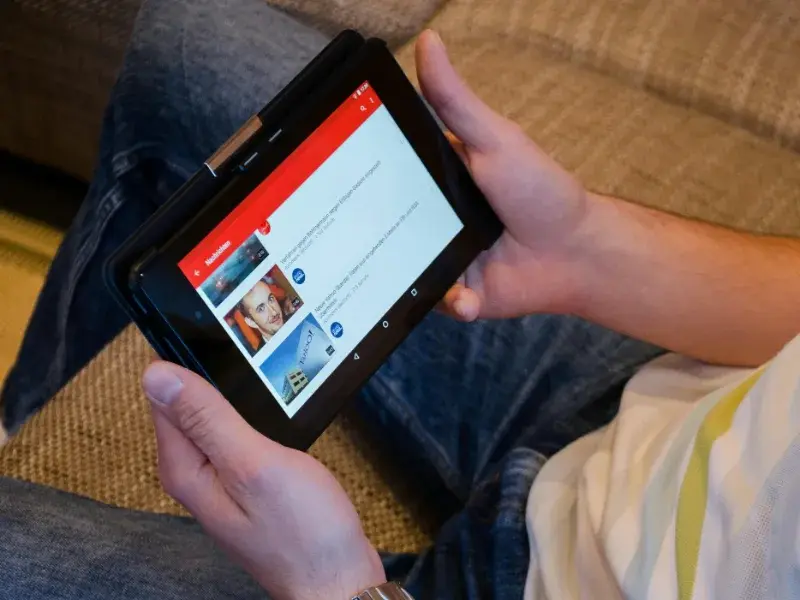
YouTube is about to find out whether the crowd can fact-check the crowd. The platform’s Notes pilot lets selected viewers add context to videos, then asks other viewers to rate those notes as “helpful,” “somewhat helpful,” or “unhelpful.” An algorithm decides which notes survive, using feedback from a diverse range of perspectives. It is crowdsourced fact-checking with a built-in stress test: can YouTube harvest the wisdom of viewers without handing the megaphone to the loudest, the most coordinated, or the most confidently wrong?
OUR TAKE
Because this feature relies on user reviews and feedback, YouTube needs clear standards and processes for handling false positives and abuse. That may require smarter algorithms—not just more ratings—to separate valid context from coordinated noise.
–Sissy Li, BTW reporter
What YouTube announced
YouTube’s latest effort to combat misinformation is a crowdsourced fact-checking system called Notes. Viewers can contribute notes to videos, offering context or additional information similar to systems on other platforms. Those notes will be evaluated by third-party assessors to determine their usefulness, and only notes deemed sufficiently helpful will be displayed beneath the video.
Viewers will rate notes as “helpful,” “somewhat helpful,” or “unhelpful,” with explanations for their choices. An algorithm will then decide whether to keep a note based on feedback from a diverse range of perspectives. YouTube plans to test the feature first with a selected group of users who meet specific criteria, including account age and adherence to community guidelines.
Notes will not be available on videos featuring minors, content designed for children, or private videos. The platform says it expects to learn from the tests and user input as it refines the system.
Also read: Can YouTube detect AI-generated content?
Also read: Apple co-founder Steve Wozniak wins fake video lawsuit v YouTube
Why YouTube Notes matter for crowdsourced fact-checking
Crowdsourced context is not a new idea. YouTube’s old Annotations feature let creators layer text on videos—useful for corrections, but never a real fact-checking system. Notes is different: it is a trust layer placed under the video, where viewers can add context and the crowd can rate whether that context holds up.
Done well, the model can improve the accuracy of information online by adding context and corrections to potentially misleading content. It can counteract misinformation and promote a more informed audience. By involving viewers in fact-checking and context-building, YouTube can foster community accountability: viewers become active entities in verifying information rather than passive consumers.
Transparency is the other prize. When viewers can see how information was evaluated and verified, they can judge the reasoning for themselves. That transparency can hold creators accountable and build trust between creators and audiences. It also gives YouTube a feedback loop: ratings from viewers and note-writers can be used to improve the fact-checking process and the algorithm over time.
Reddit, Facebook, and the crowd-control family tree
Other platforms have tried versions of this. Reddit is community-driven: users vote on posts and comments, high-rated items surface, and low-rated items sink or disappear. That mechanism helps the community self-monitor and sort content.
Facebook relies on comments and reports: users flag bad or inaccurate content, and the platform uses community standards and algorithms to filter and process it. The functions are not identical, but they share a premise—user participation can improve content management and information accuracy.
The hard part: abuse, bias, and false positives
The weak point is not the idea. It is the crowd. A rating system can be gamed by coordinated groups, gamed again by contrarians, and confused by well-meaning users who are confidently wrong. YouTube’s algorithm must distinguish a note that is broadly helpful from a note that merely attracts a loud faction.
That is why clear standards and processes matter. YouTube needs a credible way to handle false positives, abuse, and disputed notes—and it may need stronger algorithmic judgment, not just more feedback, to tell valid annotations from invalid ones. The pilot’s real test is not whether notes appear. It is whether the right notes survive, and the wrong ones disappear.
What to watch next
Watch the rating distribution, not the press release. Watch whether notes on sensitive videos get captured by organized groups. Watch whether YouTube publishes enough data for outsiders to audit the system. And watch whether the algorithm rewards consensus or merely volume.
If YouTube can make the crowd smarter than its worst actors, Notes becomes a trust engine. If not, it becomes another comment section with better formatting.




