

- Microsoft Power Platform is a line of business intelligence, app development, and app connectivity software applications. The platform have 4 components, Power BI, Power Apps, Power Automate and Power Virtual Agents.
- Microsoft Power Virtual Agents is another component of the Microsoft Power Platform that allows users to create intelligent, conversational chatbots using a no-code/low-code interface.
- Microsoft’s virtual assistant Cortana focuses on personal productivity and assistance for individuals, while Power Virtual Agents empowers organisations to create custom chatbots for business applications and customer service, offering extensive customisation and integration capabilities.
Microsoft Power Virtual Agents empowers businesses to create sophisticated, AI-driven chatbots that enhance customer service, streamline operations, and provide efficient support across multiple communication channels.
The Microsoft Power Platform
Microsoft Corporation, founded by Bill Gates and Paul Allen in 1975, is an American multinational corporation and technology company headquartered in Redmond, Washington. Microsoft’s best-known software products are the Windows line of operating systems, the Microsoft 365 suite of productivity applications, and the Edge web browser.
Microsoft Power Platform is a line of business intelligence, app development, and app connectivity software applications designed to help organisations create and automate business processes, analyse data, and build custom apps and solutions with minimal coding. Microsoft also developed the Power Fx low-code programming language for expressing logic across the Power Platform and provides integrations with GitHub and Microsoft Teams among other apps.
The Microsoft Power Platform have 4 components, enabling businesses to analyse data, build custom applications, automate workflows, and create intelligent chatbots, all with minimal coding requirements. The platform’s integration with the broader Microsoft ecosystem and its user-friendly interfaces make it accessible to users with varying levels of technical expertise.
Power BI is a business analytics tool that transforms data into interactive and visually appealing reports and dashboards. It connects to a wide range of data sources, both on-premises and in the cloud, allowing users to gain deeper insights through advanced AI capabilities. These insights can be shared across the organisation, promoting data-driven decision-making and collaboration.
Power Apps enables users to create custom applications tailored to specific business needs with a low-code approach. The platform’s intuitive drag-and-drop interface simplifies app development, integrating seamlessly with various data sources like Microsoft Dataverse, SharePoint, and SQL Server. This versatility allows apps to run on mobile devices, tablets, and desktops, providing flexibility and accessibility.
Power Automate focuses on automating repetitive tasks and business processes, connecting different applications and services through a wide array of connectors. Users can define triggers and actions to build workflows that enhance efficiency and reduce manual effort. The integration of AI capabilities further enriches these workflows, enabling more sophisticated automation solutions.
Also read: AI-powered breakthrough: Microsoft’s revolutionary battery
Microsoft Power Virtual agents, AI-driven chatbot
Microsoft Power Virtual Agents is another component of the Microsoft Power Platform that allows users to create intelligent, conversational chatbots using a no-code/low-code interface. These chatbots deployed across various channels can interact with users through natural language processing and provide automated responses, services, and support without the need for extensive coding or AI expertise to automate customer interactions, provide support, and handle inquiries.
Microsoft Power Virtual Agents enables organisations to build and deploy sophisticated chatbots that can enhance customer service, streamline operations, and provide support across multiple channels, all while requiring minimal technical expertise.
Power Virtual Agents simplifies the creation and deployment of chatbots through its user-friendly, graphical interface. Users can design conversation flows by dragging and dropping elements on a canvas, making it accessible to those without deep technical expertise. The platform integrates seamlessly with other Microsoft services, such as Power Automate, for automating workflows, and Azure AI services, enhancing the chatbot’s capabilities with advanced natural language processing.
One of the key features of Power Virtual Agents is its ability to understand and respond to user inputs accurately, thanks to its robust natural language understanding. This allows the chatbot to handle various intents, recognise entities, and maintain context throughout a conversation. Users can also extend the functionality of their chatbots by integrating custom APIs and external services, enabling the chatbot to perform specific tasks and access external systems.
Power Virtual Agents can be deployed across multiple channels, including websites, mobile apps, social media platforms, and messaging services like Microsoft Teams. This ensures a consistent and seamless user experience across different platforms and devices. Additionally, the platform provides built-in analytics and reporting tools to track chatbot performance, user interactions, and common issues, helping users continuously improve the chatbot’s effectiveness.
Power Virtual Agents allows users to create intelligent chatbots without the need for extensive coding. These chatbots can handle customer interactions and provide support through natural language processing. They integrate smoothly with Power Automate, facilitating advanced workflows and access to external systems. The chatbots can be deployed across multiple channels, including websites, Microsoft Teams, and social media, ensuring a broad reach and consistent user experience.
Also read: What are the benefits of using AI chatbots?
Differences with Microsoft’s virtual assistant Cortana
Microsoft’s virtual assistant Cortana focuses on personal productivity and assistance for individuals, while Power Virtual Agents empowers organisations to create custom chatbots for business applications and customer service, offering extensive customisation and integration capabilities.
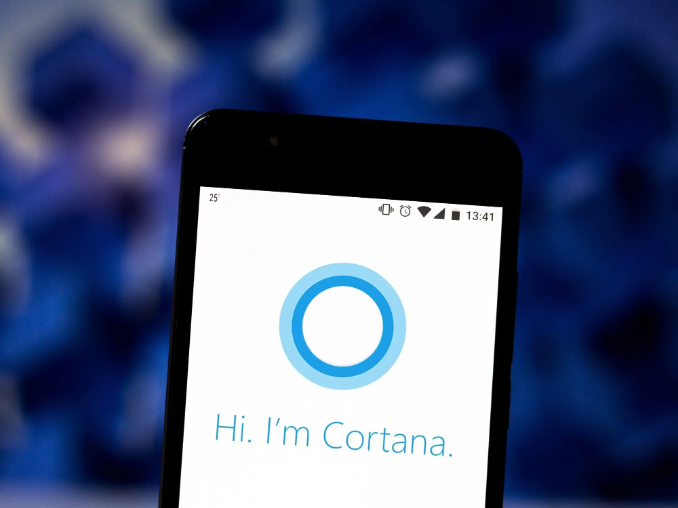
Cortana is aimed at individual users for personal productivity and assistance, while Power Virtual Agents targets businesses and organisations for creating customer service and business process automation chatbots. Cortana offers personal assistance with everyday tasks, whereas Power Virtual Agents provides customisable, scalable solutions for business interactions and customer support.
Power Virtual Agents allows users to build and customise chatbots through a no-code/low-code interface, integrating with business workflows and external services. Cortana, on the other hand, is a pre-built virtual assistant with limited customisation options for end-users. Power Virtual Agents can be deployed across multiple customer interaction channels, while Cortana primarily integrates within the Microsoft ecosystem and some smart home devices.