
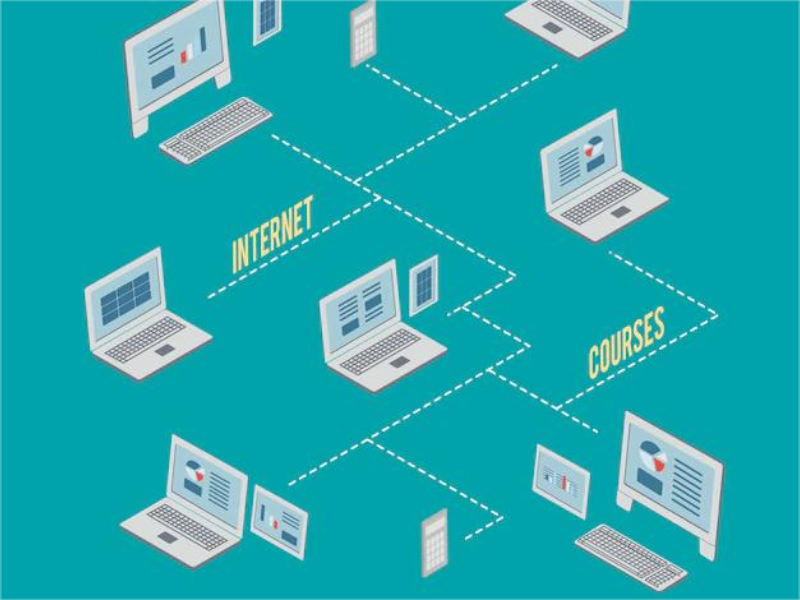
- Internet protocols are the foundation of modern networking, enabling communication between devices on the internet by managing data transmission, routing, and addressing. Examples include IP, TCP, and HTTP.
- Common internet protocols such as HTTP/HTTPS, FTP, DNS, and DHCP are used daily to facilitate web browsing, file transfers, email communication, and device IP address assignment.
- The future of internet protocols lies in the adoption of IPv6 to accommodate growing device connections, enhanced security protocols like SSL/TLS for secure communication, and new protocols to support emerging technologies like 5G.
The term internet protocol (IP) refers to a set of rules that govern how data is transmitted over the internet or any other computer network. It defines how devices on a network communicate with one another, ensuring that data packets find their way to the right destination. Essentially, the Internet Protocol is a foundational pillar of modern networking, enabling communication between devices, whether across local networks or globally across the internet.
As Vinton Cerf, one of the “Fathers of the Internet”, once said, “The Internet is the most powerful communication tool ever created, and protocols are the foundation upon which it stands. Without them, the modern web as we know it would not be possible.” This highlights just how essential internet protocols are in shaping the world we live in today.
The Internet is the most powerful communication tool ever created, and protocols are the foundation upon which it stands. Without them, the modern web as we know it would not be possible.
Vinton Cerf, an American Internet pioneer and is recognized as one of “the fathers of the Internet
The internet has become an indispensable part of daily life, connecting millions of devices and facilitating everything from emails to social media interactions, e-commerce, and even streaming services. Without Internet Protocols, this seamless communication would not be possible.
Also read: The internet protocol: A foundational pillar of networking
How do internet protocols work?
At its core, an internet protocol defines a set of rules that control how packets of data are routed and transferred across networks. It acts as a kind of digital postman, ensuring that data travels from one device to another accurately and efficiently.
When a device sends data, such as an email or web request, the data is broken into smaller chunks called “packets.” Each packet contains both the data itself and additional information about the sender’s and receiver’s IP addresses. This additional information allows the data to find its way through a series of routers and networks before reaching its final destination. The packet-switching process ensures that data can navigate complex network infrastructures and find its way to the intended recipient.
Also read: Which internet protocol is used to transmit encrypted data?

The role of IP addressing
One of the most important aspects of internet protocols is the concept of IP addressing. Each device connected to a network has a unique identifier called an IP address. There are two main types of IP addresses: IPv4 and IPv6.
- IPv4 (Internet Protocol version 4) uses a 32-bit address format, resulting in approximately 4.3 billion unique addresses. While this was enough in the early days of the internet, the rapid expansion of connected devices has exhausted the available IPv4 addresses.
- IPv6 (Internet Protocol version 6) was introduced to address the limitations of IPv4. It uses a 128-bit address format, providing an almost unlimited number of unique IP addresses.
By assigning each device a unique address, IP ensures that data can be routed to the correct destination, even when it has to travel across multiple networks or through complex routes.
The importance of internet protocols in networking
Without internet protocols, the internet as we know it would not be possible. These protocols manage everything from how data is packaged and transmitted to ensuring that it arrives at the correct address. By enabling secure, reliable communication between devices, protocols are the backbone of the internet.
Also read: Why are network protocols important?
Also read: What is network protocol?
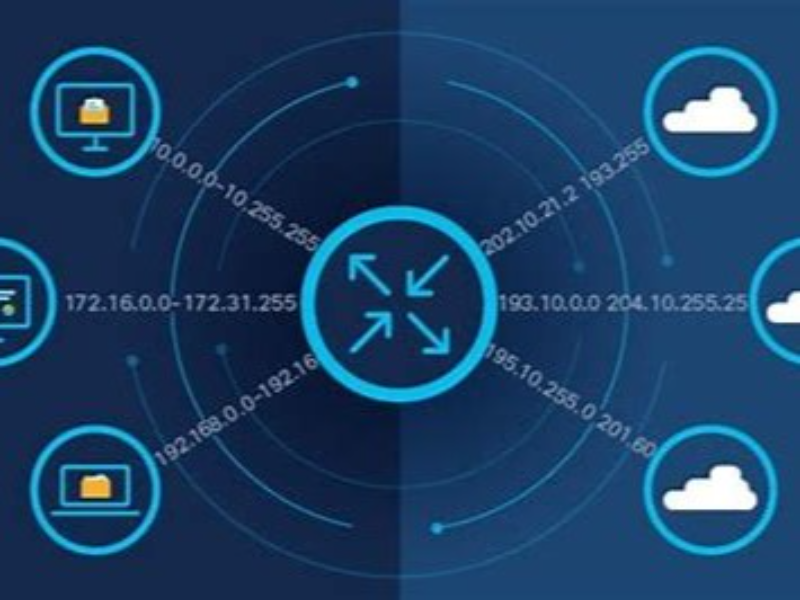
Types of internet protocols
The internet protocol family consists of several different protocols, each serving a specific function. Some of the most commonly used internet protocols include:
Transmission Control Protocol (TCP): TCP is one of the most essential protocols in networking, working alongside IP in what is known as the TCP/IP suite. While IP handles routing and addressing, TCP ensures that the data packets are received correctly, in the right order, and without errors. It does this by establishing a connection-oriented communication method, where data is transmitted in a sequence and acknowledged at each stage.
Internet Protocol (IP): As previously mentioned, IP is responsible for routing the data packets to their destination. It operates as a connectionless protocol, meaning it doesn’t guarantee that the packets will reach their destination, nor does it confirm their receipt. This is where TCP comes in, ensuring data integrity once the packets reach their final destination.
Hypertext Transfer Protocol (HTTP): HTTP is the protocol that powers the World Wide Web. When you open a website, your browser uses HTTP to request web pages from a server. HTTP defines how requests and responses are made between the client (your browser) and the server. A more secure version, HTTPS, encrypts this data to prevent interception.
Also read: HTTPS protocol: The foundation of secure web browsing
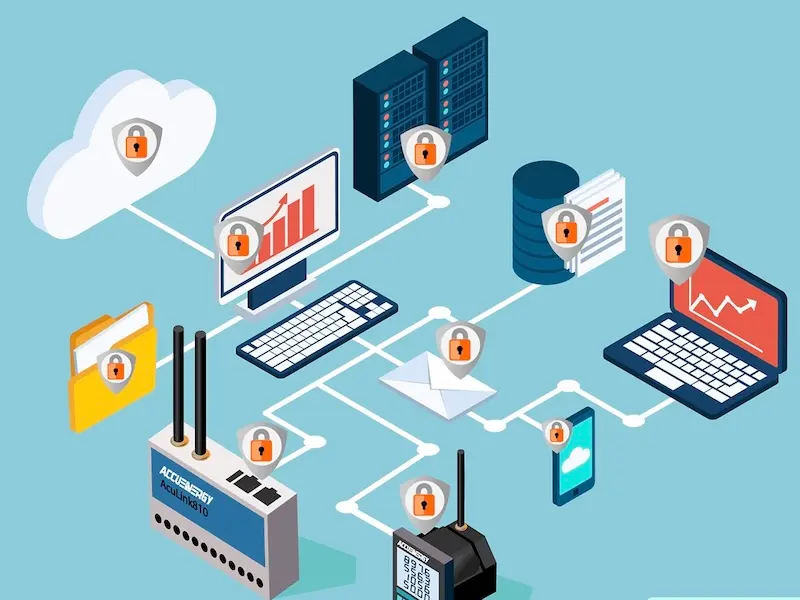
File Transfer Protocol (FTP): FTP is used for transferring files between computers over a network. It allows users to upload or download files to and from a remote server. FTP is still widely used for website management, system backups, and other large file transfers.
Dynamic Host Configuration Protocol (DHCP): DHCP automates the process of assigning IP addresses to devices on a network. Instead of manually assigning a static IP to each device, DHCP assigns an IP address from a predefined pool for the duration of a device’s connection. This reduces administrative overhead and helps to manage IP address allocation more effectively.
Also read: What network protocols do you use on a daily basis?
How do internet protocols affect everyday use?
While most people aren’t aware of the internet protocols working behind the scenes, they play a crucial role in the daily functioning of the internet. Whenever you check your email, stream a video, or browse a website, protocols are facilitating the communication between devices, ensuring that the information is exchanged seamlessly and securely.
For example, when you enter a website address (URL) into your browser, HTTP or HTTPS protocols are used to request the website from the server. Once the website is located, it is transmitted back to your device using protocols like TCP and IP, ensuring that the data arrives intact and in the correct order.
In other cases, protocols like SMTP (Simple Mail Transfer Protocol) and POP3 (Post Office Protocol) are used to send and retrieve email messages. DNS (Domain Name System) protocols translate human-readable domain names into IP addresses that computers can understand.
The widespread use of these protocols is why the internet feels so intuitive. Users don’t need to understand the technical workings behind data transmission because protocols make it all happen behind the scenes.

The future of internet protocols
As the internet continues to evolve, so too do the protocols that underpin it. One of the most significant changes in recent years has been the adoption of IPv6, which has been slowly rolled out to address the limitations of IPv4. As more devices connect to the internet, from smartphones to IoT (Internet of Things) devices, the demand for IP addresses continues to grow, making IPv6 essential.
Another emerging trend is the increasing focus on security protocols. With the growing threat of cyberattacks, securing data transmission is more important than ever. Protocols like HTTPS and SSL/TLS (Secure Sockets Layer/Transport Layer Security) are being used to protect sensitive information during online transactions and communication.
Moreover, with the rise of technologies like 5G, new protocols are being developed to accommodate the high-speed, low-latency needs of modern devices. These protocols will ensure that communication between devices remains fast, reliable, and secure.
The critical role of internet protocols in modern networking
Internet protocols are the unsung heroes that make modern communication and networking possible. Whether it’s the reliable transmission of data, the secure transfer of files, or the seamless browsing of websites, protocols underpin everything we do online. As the internet continues to grow, so too will the complexity and sophistication of the protocols that drive it. By understanding the importance of these protocols, we can better appreciate the incredible infrastructure that powers our connected world.
As Tim Berners-Lee, the inventor of the World Wide Web, once stated: “The power of the web is in its universality. Access by everyone to the same information is a universal right.” This reinforces the idea that without protocols, the free and open exchange of information across the web wouldn’t be possible.
The power of the web is in its universality. Access by everyone to the same information is a universal right
Tim Berners-Lee, the inventor of the World Wide Web
FAQs: Internet protocols
An internet protocol (IP) is a set of rules that governs how data is transmitted over the internet or within a network. It ensures devices can communicate with each other by assigning unique addresses and routing data packets to the correct destinations.
Some of the most commonly used internet protocols include IP (Internet Protocol), TCP (Transmission Control Protocol), HTTP (Hypertext Transfer Protocol), HTTPS (HTTP Secure), FTP (File Transfer Protocol), and DNS (Domain Name System).
IPv6 is crucial because it provides a much larger address space than its predecessor, IPv4, which is running out of unique IP addresses due to the growing number of connected devices. IPv6 ensures the scalability and sustainability of the internet in the future.
Internet protocols like SSL/TLS (Secure Sockets Layer/Transport Layer Security) are key to maintaining secure communication on the web. They encrypt data during transmission, preventing unauthorized access and protecting users’ privacy when browsing websites or making online transactions.
Most internet users interact with protocols every day without realising it. For example, when you browse the web, you use HTTP/HTTPS to access websites. When you send emails, you use SMTP, and when you transfer files, you might use FTP. These protocols ensure smooth communication between devices and services across the internet.