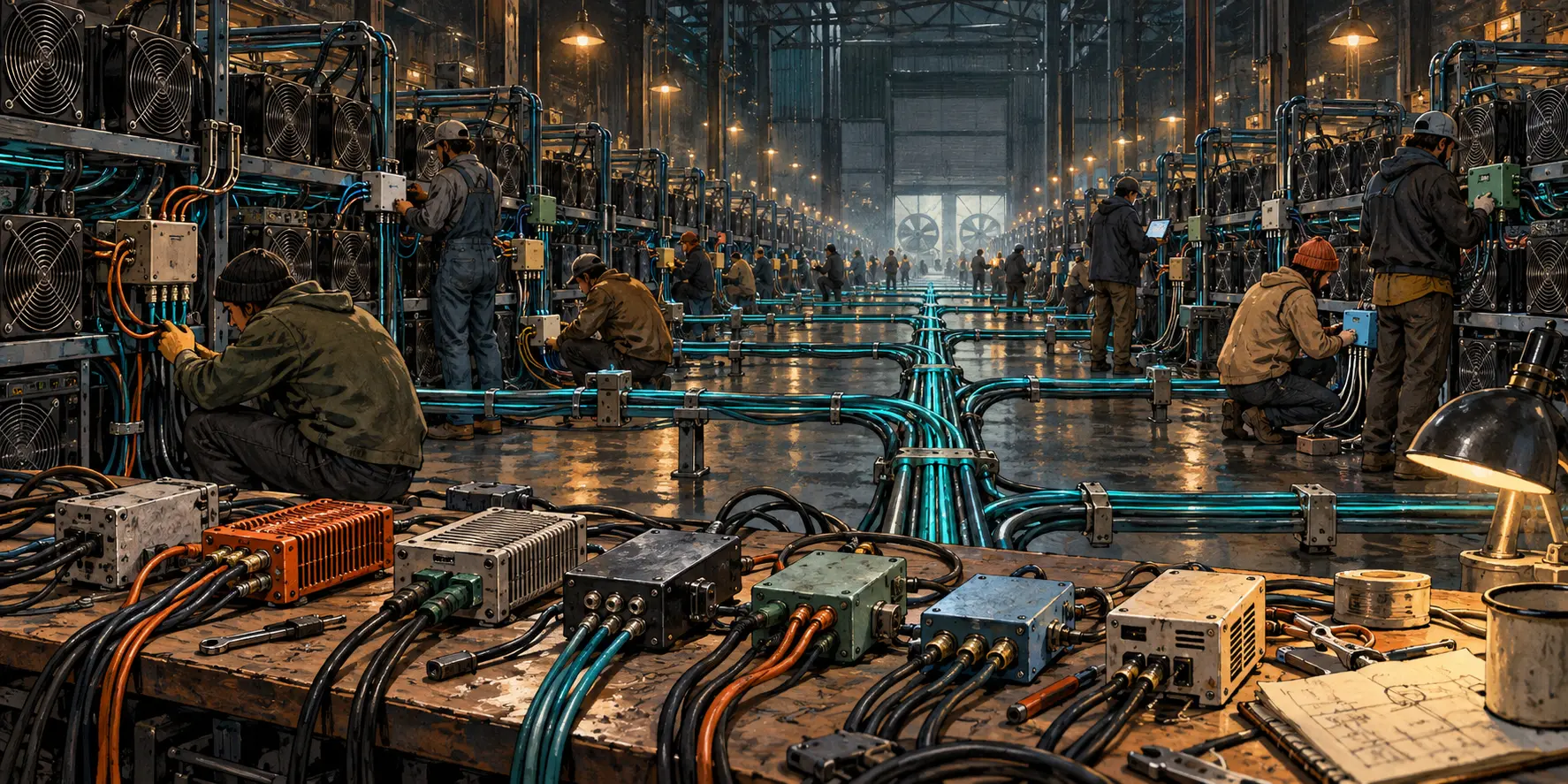
- A virtual server farm refers to a cluster of interconnected virtual servers that work together to handle data processing and hosting tasks.
- Virtual server farms have emerged as a cornerstone for businesses seeking efficient and flexible hosting solutions.
The term “virtual server farm” refers to a network of interconnected virtual servers that operate collectively to provide hosting services, data processing, and storage solutions. A virtual server farm is a powerful solution for businesses seeking the benefits of cloud computing without the need for extensive in-house infrastructure.
Understanding virtual server farms
A virtual server farm is a collection of virtual servers that are managed centrally and work in unison to offer computing resources over the internet. It is a scalable infrastructure that leverages virtualisation technology to maximise resource utilisation and efficiency.
At the heart of a virtual server farm is a pool of physical servers, each hosting multiple virtual servers. These physical servers are equipped with powerful processors, ample memory, and high-capacity storage systems.
Also read: How do load balancer servers optimise network traffic?
Also read: What is server virtualisation and why do we use it?
How a virtual server farm operates
Virtualisation: The process begins with virtualisation, where a hypervisor divides the physical server’s resources into multiple virtual servers, each with its own set of resources.
Resource pooling: The virtual server farm pools together the resources from all physical servers, creating a large, flexible resource pool that can be dynamically allocated to virtual servers as needed.
Load balancing: To ensure optimal performance, the farm uses load balancing techniques to distribute incoming network traffic across the virtual servers, preventing any single server from becoming overwhelmed.
Scalability: One of the key benefits of a virtual server farm is its scalability. As demand increases, new virtual servers can be quickly provisioned from the resource pool to handle additional workloads.
Redundancy and reliability: The farm is designed with redundancy in mind, with backup systems and failover mechanisms to ensure high availability and reliability of the hosted services.
Management and monitoring: Advanced management tools monitor the health and performance of the virtual servers, automating routine tasks and providing alerts for potential issues.
Benefits of a virtual server farm
Virtual server farms offer a compelling array of benefits that make them an attractive choice for businesses looking to optimise their IT infrastructure. One of the most significant advantages is cost-effectiveness. By efficiently utilising hardware resources, these farms minimise the need for excessive physical servers, thereby reducing the overall investment in infrastructure and operational costs.
The flexibility of virtual server farms is another key advantage. They allow businesses to rapidly adjust their resource allocation in response to fluctuating demands. This agility ensures that resources are allocated where they are needed most, without the constraints of static, physical infrastructures.
Scalability is a built-in feature of virtual server farms, providing businesses with the ability to scale their resources both up and down according to their growth trajectory. This eliminates the need for substantial upfront investments in hardware and allows for a more strategic approach to resource management.
High availability is ensured through redundant systems and failover mechanisms that virtual server farms employ. These systems are designed to minimise downtime, ensuring that services remain accessible and operational even in the face of hardware failures or maintenance requirements.
Environmental efficiency is an often-overlooked advantage of virtual server farms. By sharing physical resources across multiple virtual servers, these farms reduce the number of individual servers required. This reduction not only conserves energy but also contributes to a smaller carbon footprint, aligning with the growing global emphasis on sustainability.