
US security officials discuss Chinese cyber-espionage with telecom executives is profiled by BTW Media because published evidence links it to internet infrastructure, governance, operational dependencies, or market visibility.
US security officials discuss Chinese cyber-espionage with telecom executives is tracked as a internet infrastructure institution within the internet infrastructure ecosystem.
US security officials discuss Chinese cyber-espionage with telecom executives has public-source relevance to network operations, governance, dependency mapping, or market structure.
US security officials discuss Chinese cyber-espionage with telecom executives is tracked as a internet infrastructure institution within the internet infrastructure ecosystem.
Public-source signals support medium-impact monitoring for infrastructure visibility and dependency analysis.
US security officials discuss Chinese cyber-espionage with telecom executives is profiled by BTW Media because published evidence links it to internet infrastructure, governance, operational dependencies, or market visibility.
Public-source signals support medium-impact monitoring for infrastructure visibility and dependency analysis.
| 0.90–1.00 | A | High — direct sources |
| 0.75–0.89 | A/B | Strong |
| 0.55–0.74 | B/C | Medium |
| 0.35–0.54 | C/D | Weak–medium |
| 0.10–0.34 | D | Weak signal |
| 0.00–0.09 | D | Internal monitoring |
Several public sources
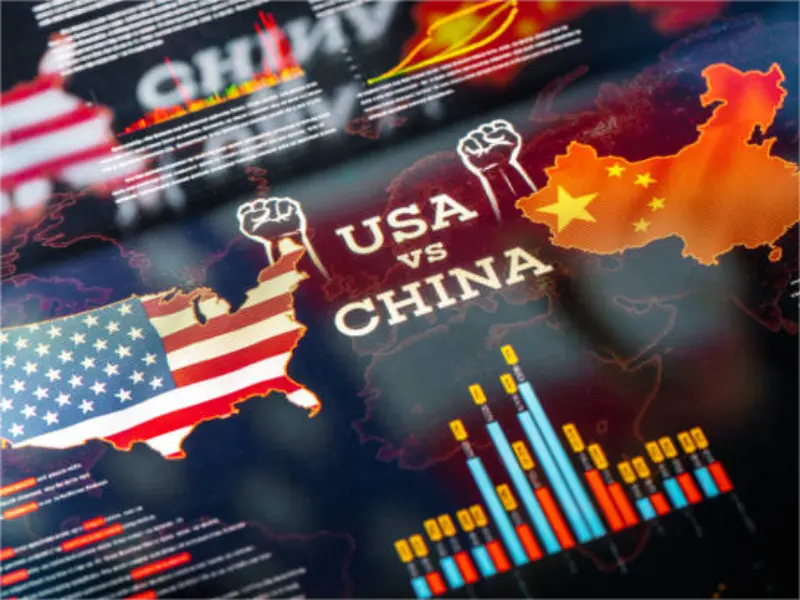
- U.S. authorities have identified sophisticated cyber-espionage attempts targeting telecom executives, allegedly linked to Chinese entities, heightening concerns over data security and corporate vulnerabilities.
- These actions, amidst growing U.S.-China tensions, underscore risks in telecom infrastructure, emphasizing the need for stronger cybersecurity measures to protect critical industries.
What happened
U.S. national security officials recently held a meeting with telecom executives to discuss the rising threats of Chinese cyber-espionage. This dialogue centers around allegations that Chinese cyber actors are targeting telecom infrastructures globally. The focus was on how these espionage activities could potentially compromise sensitive data and technological operations, which are crucial to national security. The conversation explored strategies to counteract these threats and reinforce cybersecurity measures in telecom sectors that are vulnerable to such attacks.
Also read: US targets China AI investments with new national security rules
Also read: ASML CEO indicates US export restrictions to China due to economic concerns
Why it is important
This meeting between U.S. national security officials and telecom executives underscores the growing importance of cybersecurity in the context of global tensions, particularly with China. Cyber-espionage poses significant risks not only to individual companies but also to national security, as telecom networks are critical to communication infrastructure. A breach in these systems could compromise sensitive data, disrupt services, and create vulnerabilities in defense mechanisms. Additionally, as digital technology becomes more integrated into daily operations, the protection of telecom networks has become vital for economic stability, privacy, and global security. The discussions also reflect wider geopolitical issues, emphasizing the need for stronger international cooperation to combat cyber threats.
At A Glance
- Name: US security officials discuss Chinese cyber-espionage with telecom executives
- Type: Internet infrastructure institution
- Base: Asia Pacific
- Profile focus: Institution
What It Does
- Public records support monitoring of its role, services, and key relationships.
Why It Matters
- Public-source signals support medium-impact monitoring for infrastructure visibility and dependency analysis.
- Operational criticality: Medium
- Time horizon: Next quarter
What To Watch
- Monitoring focuses on verified service continuity, governance changes, and relationship signals.
Track verified source updates, role changes, and current public evidence.
Public-source signals support medium-impact monitoring for infrastructure visibility and dependency analysis.
Longer-term relevance depends on verified operating, policy, and relationship changes.
Member Briefing
Deeper Profile Context
Login is required to unlock the full profile briefing and source notes.
Only for Strategy Circle
Strategic Circle Access
Open to all readers. Unlock profile briefings after joining and logging in.
Join Strategic CircleOnly for Leadership Alliance
Leadership Alliance Access
For owners and management of IP-holding companies. Login required to unlock.
Join Leadership Alliance


