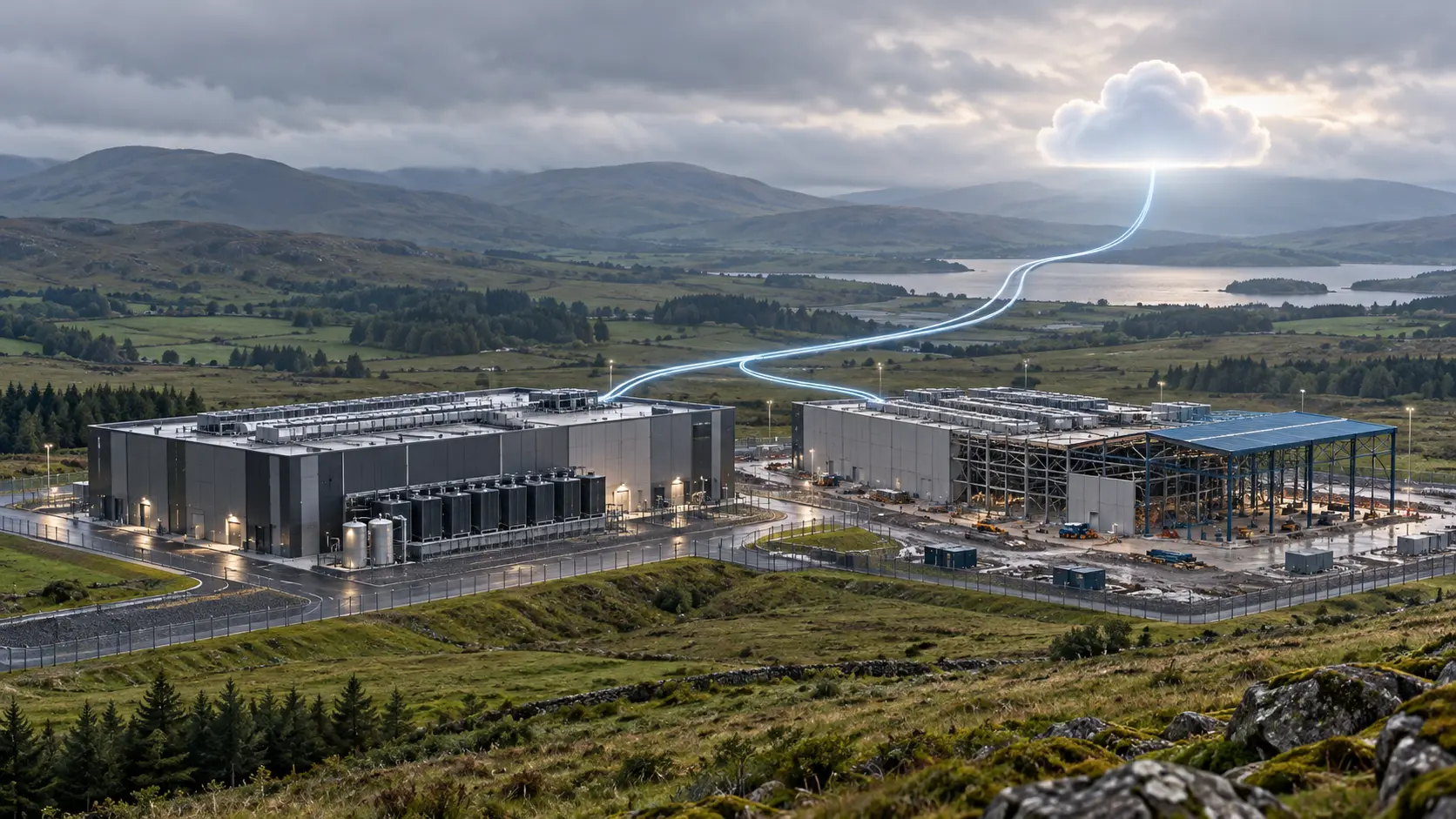
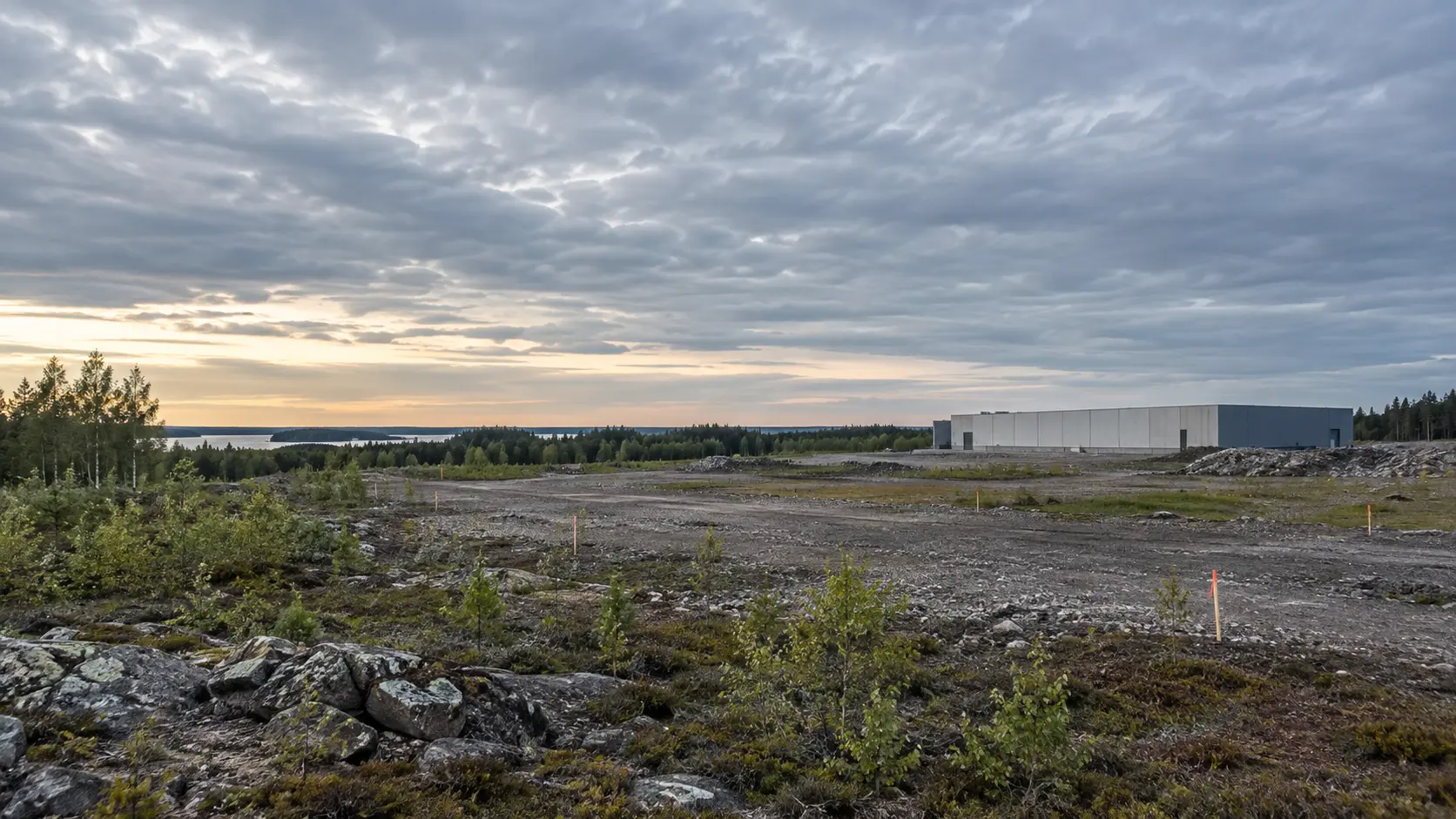
- DDC1 is scheduled for commissioning in October 2027, with Thylander responsible for operations, maintenance and asset management
- Plexar's energy-management system and storage are intended to adjust electricity use to grid conditions, with excess heat planned for district heating
The fact
Thylander and Copenhagen Infrastructure Partners have begun construction of Dansk Data Center 1 (DDC1) at the Port of Esbjerg in Denmark. The 11.5MW multi-tenant colocation facility is scheduled for commissioning in October 2027. It is owned by PensionDanmark, Thylander Group and CIP through its CI Microgrid Electrification Fund, with PensionDanmark as lead investor. Thylander will handle operations, maintenance and asset management.
The site will connect to the local grid through N1. Plexar's energy-management system is intended to adjust electricity consumption to current grid capacity, with energy storage supporting stable operation. DDC1 will use closed-loop cooling that reuses water, while DIN Forsyning aims to use excess heat for district heating. The announcement does not disclose tenant commitments, the amount of load that can be reduced or shifted, storage capacity or expected heat output.
The assessment
DDC1 is being built to make the power interface part of day-to-day operations rather than treating electricity demand as fixed. Plexar's system is intended to vary consumption with grid conditions while storage supports stable operation, so the practical question is how much of the site's grid demand can move without affecting customer service.
That has not yet been demonstrated. The developers have not disclosed the reducible load, response duration, storage capacity or how grid-response actions would be managed alongside customer workloads. Heat reuse also remains an operating target rather than a measured result: DIN Forsyning aims to take excess heat, but no output or utilisation figure has been published.
For BTW readers, DDC1 turns grid flexibility into an operating metric. Once commissioned, reducible load, response duration and service performance during those events will show whether the design can provide useful flexibility to the grid while meeting colocation requirements.
What to watch
Watch whether DDC1 commissions in October 2027 and whether the developers publish data on reducible load, response time, storage use and customer service during grid-response events. For heat reuse, contracted thermal output and actual delivery to DIN Forsyning will show how much of the design reaches operation. Tenant announcements would also clarify demand for the Esbjerg location.
Member Briefing
Deeper Profile Context
Sign in with the right membership level to unlock the full briefing and source notes.
Only for Strategic Circle
Strategic Circle
Open to all readers. Unlock profile briefings after joining and signing in.
Join Strategic CircleOnly for Leadership Alliance
Leadership Alliance
For qualified IP-asset owners and management; sign in to unlock alliance briefings.
Join Leadership Alliance