Summary
- RFC 5321 §4.4 requires an SMTP server to insert trace information at the beginning of a message: a
Receivedline whose FROM clause "SHOULD contain both (1) the name of the source host as presented in the EHLO command and (2) an address literal containing the IP address of the source, determined from the TCP connection". - The same section fixes the editing rules: a mail program "MUST NOT change or delete a Received: line that was previously added", servers "MUST prepend Received lines", and they "MUST NOT change the order of existing lines or insert Received lines in any other location".
- Nothing in the mechanism authenticates the line. The chain is a sequence of unsigned claims, and the only integrity property it guarantees is order.
One header that every hop writes
A delivered message usually arrives with a stack of Received headers, newest first, each beginning with the name a server claimed for itself and ending with a timestamp and an identifier. To a reader who has never looked, it is noise. To an operator it is the only record of how the message travelled.
The header is written by whoever receives the message, not by whoever sent it. That is the design's small cleverness: each hop describes its own arrival, so the description cannot be prepared before the path exists.
The rules: prepend, never edit, never reorder
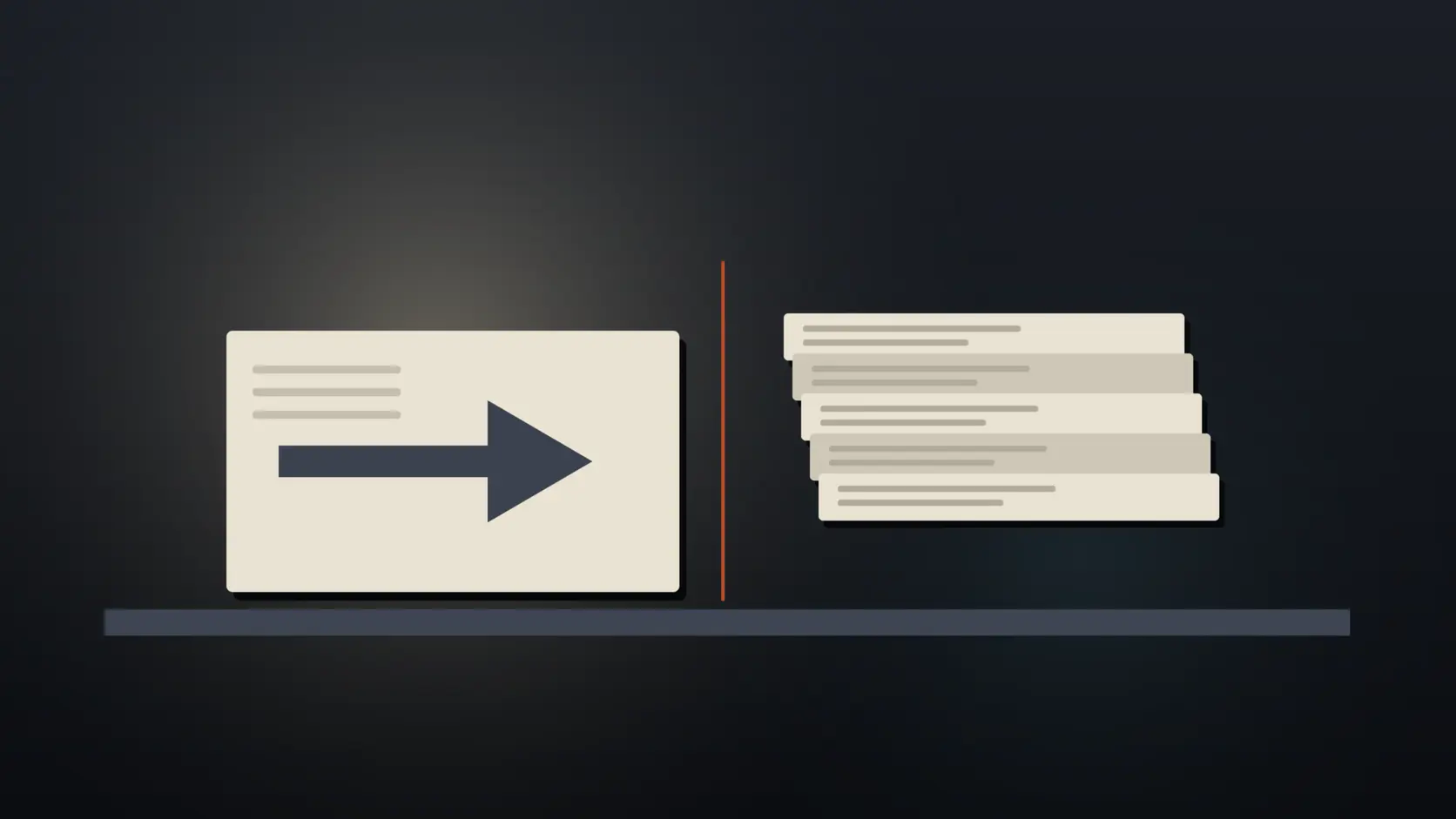
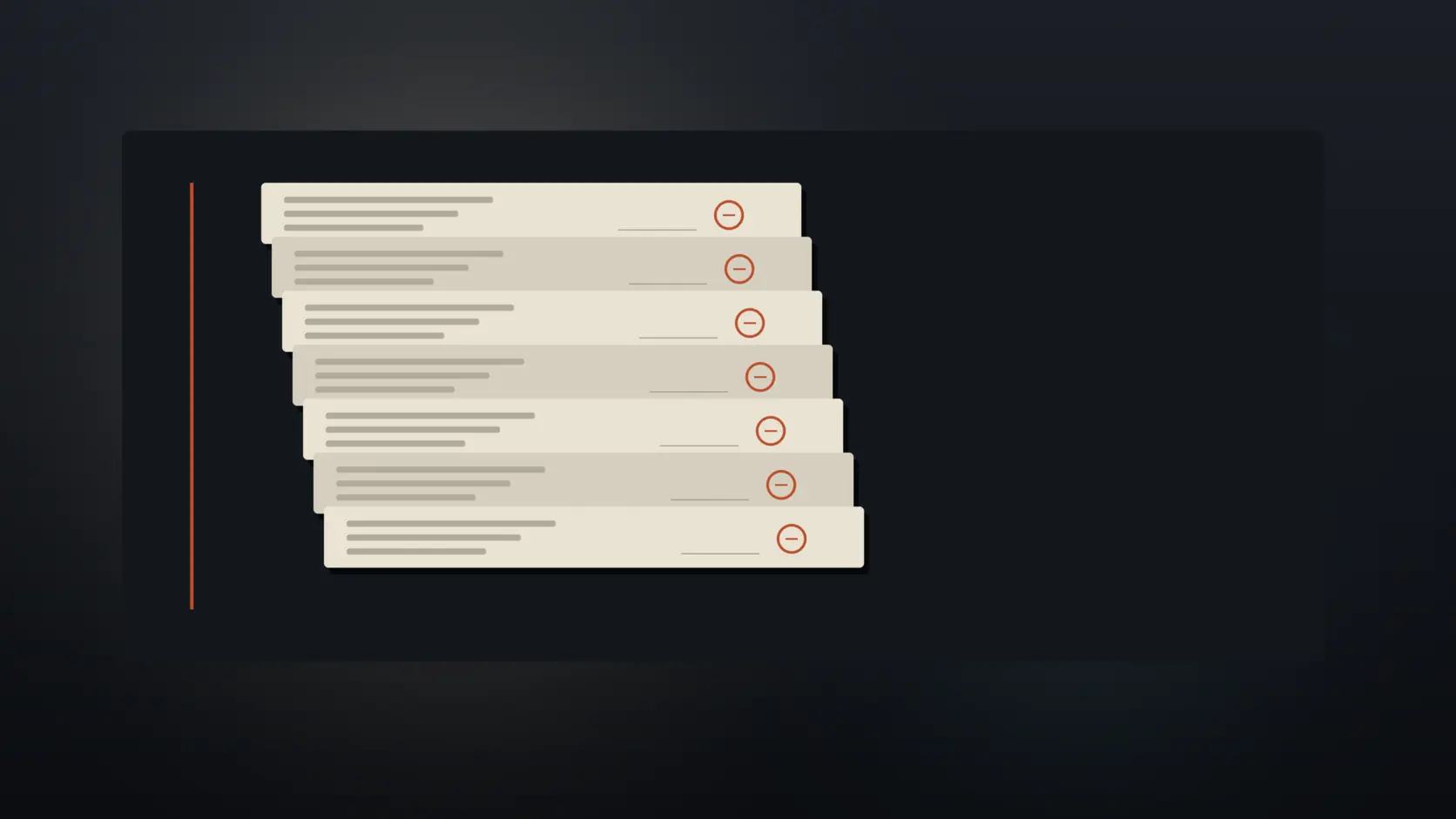
RFC 5321 is unusually specific about an append-only structure. Existing lines keep their position, new lines go on top, and no server may rewrite the history it inherited.
The ordering rule is the whole evidence value. A reader starts at the bottom, at the first hop, and works upward toward the local server, knowing that each later line was written by a machine that had already received everything below it.
What the chain is for
The stated purpose is mundane: comparability. "As the Internet grows, comparability of Received header fields is important for detecting problems, especially slow relays."
That sentence explains the required fields. A host name alone can be forged in a greeting. An address literal taken from the TCP connection is harder to fake, because the receiving server reads it from the socket rather than from the message.
A liar's line looks the same
Nothing verifies a Received line. A client can type one, a gateway can append a misleading one, and both look exactly like an honest one. The chain records claims, and the standard says so without apology: it specifies what a server must write, not how anyone should check what was written.
That is not a defect of the specification so much as a division of labour. The trace chain is evidence for a human or a downstream system to weigh, and the weighing happens in software that the standard never defines.
Why the stack grew on top
Every later mail mechanism had to decide what to do with this inheritance. Authentication schemes that arrived decades afterwards attach a verdict to the message rather than to the chain, and the chain remains what it always was: unverified narrative that a reader may consult.
The result is a system with two layers that do not talk to each other. One layer writes down what happened, in order, and refuses to revise it. The other decides whether to believe any of it. RFC 5321 wrote the first layer in great detail and left the second to everybody else.
Custody without signatures
A chain of custody in law is a list of people who handled an object, each of whom can be called to testify. SMTP's version names the handlers, forbids anyone from scratching out a name, and never asks anybody to swear to it.
That is enough for the purpose it was built for, which is diagnosing a slow relay at three in the morning. It is not enough for deciding whether a message is genuine, and the internet has spent thirty years building documents that say so.
Member Briefing
Read the full trend briefing
Members read the full briefing with the source notes behind every finding.
Strategic Circle
A daily briefing in your language, built from changes we have verified.
Join for USD 20/monthCancel anytime.
Members also get the full research library, a daily briefing on the networks they follow and the private forum.