- Premier Danielle Smith has responded after Alberta's first data-centre town halls drew strong opposition over power, water, land use and consultation
- The province says further setback rules are coming, but has not published the minimum distance, effective date,or treatment of existing projects
The fact
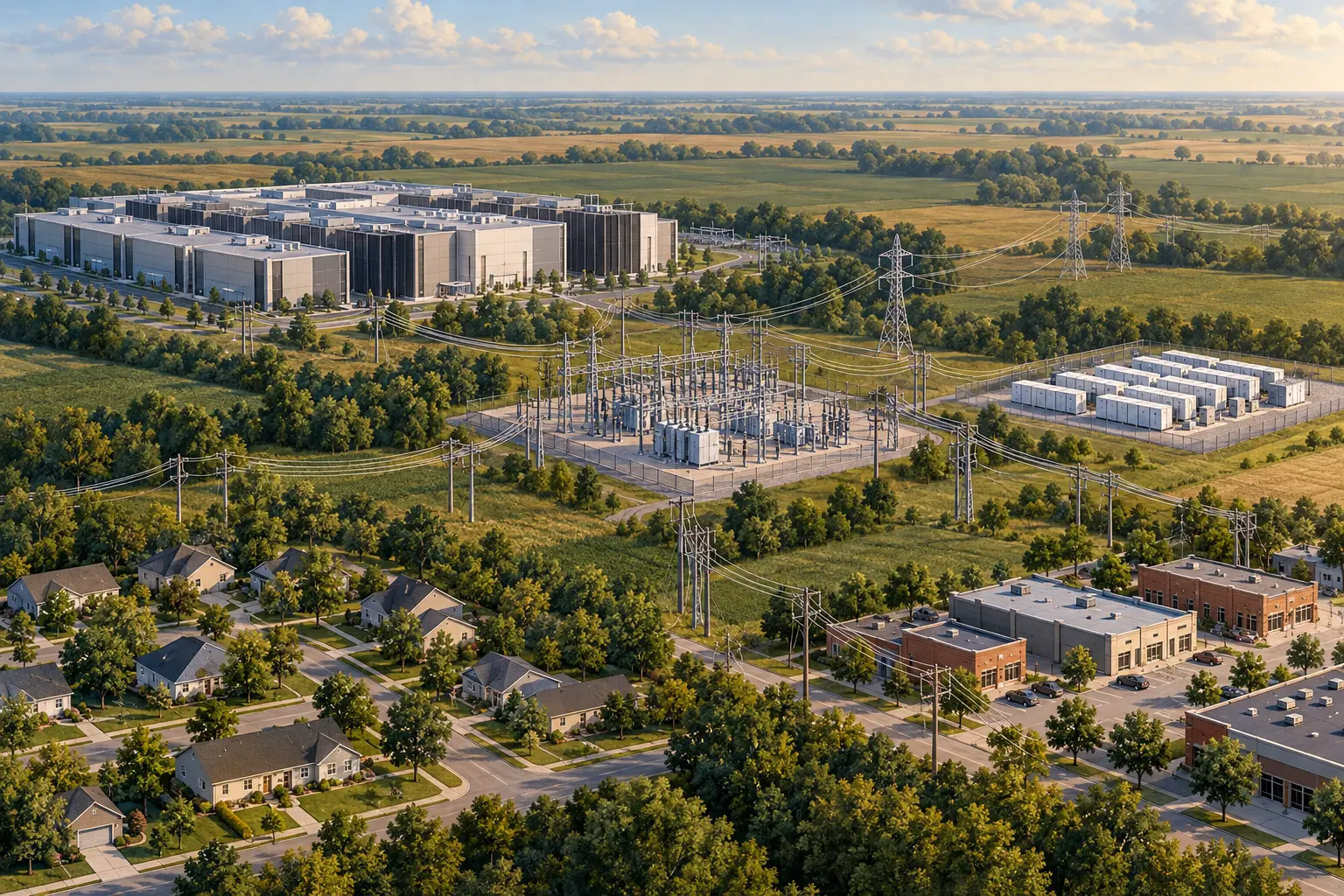
Alberta Premier Danielle Smith has responded to growing concern about the province's AI data-centre plans after two government town halls drew strong criticism from residents. People at the meetings in Lacombe and Redwater raised questions about electricity use, water, land, jobs and how local communities are being consulted, while Meta's planned C$13bn, 1GW data-centre campus in Sturgeon County has become one of the main projects at the centre of the debate.
Technology and Innovation Minister Nate Glubish has said Alberta is preparing new setback rules intended to keep large data centres farther from residential areas. The province has not yet said what the minimum distance will be, which projects the rules will cover or when they will take effect, while Smith and Glubish are due to take part in a province-wide virtual town hall on 27 August before another in-person meeting in Grande Prairie in September.
The assessment
The pressure on Alberta is shifting from whether the province wants data centres to how clearly it can define the conditions around them. Smith’s response does not change the approval process, but it shows that broad assurances about jobs, power and community benefits are no longer enough on their own. Residents are asking for specifics: how close a large facility can be to homes, how its electricity and water needs will be handled, and who is expected to pay for roads, utilities or other supporting infrastructure.
Developers can still plan projects under the current rules, but some of those assumptions could change once Alberta publishes its setback policy and any related guidance. A site that works under today’s requirements may need a different layout or additional documentation if the province introduces new distance, disclosure or infrastructure conditions. For BTW readers, the 27 August town hall is therefore worth watching for concrete requirements rather than another round of political reassurance, because those details would show whether the backlash is beginning to alter how projects are actually planned and reviewed.
What to watch
Watch the 27 August virtual town hall for details on setback distances, power supply, water use, and responsibility for infrastructure costs. Alberta also needs to clarify whether new requirements apply only to future proposals or to projects already moving through development. Published regulations or guidance would carry more weight than further assurances at public meetings.
Member Briefing
Deeper Profile Context
Sign in with the right membership level to unlock the full briefing and source notes.
Only for Strategic Circle
Strategic Circle
Open to all readers. Unlock profile briefings after joining and signing in.
Join Strategic CircleOnly for Leadership Alliance
Leadership Alliance
For qualified IP-asset owners and management; sign in to unlock alliance briefings.
Join Leadership Alliance