Summary
- RIPE 93’s online ballot has three named candidates for two community-elected Programme Committee seats; voting closes on 29 October.
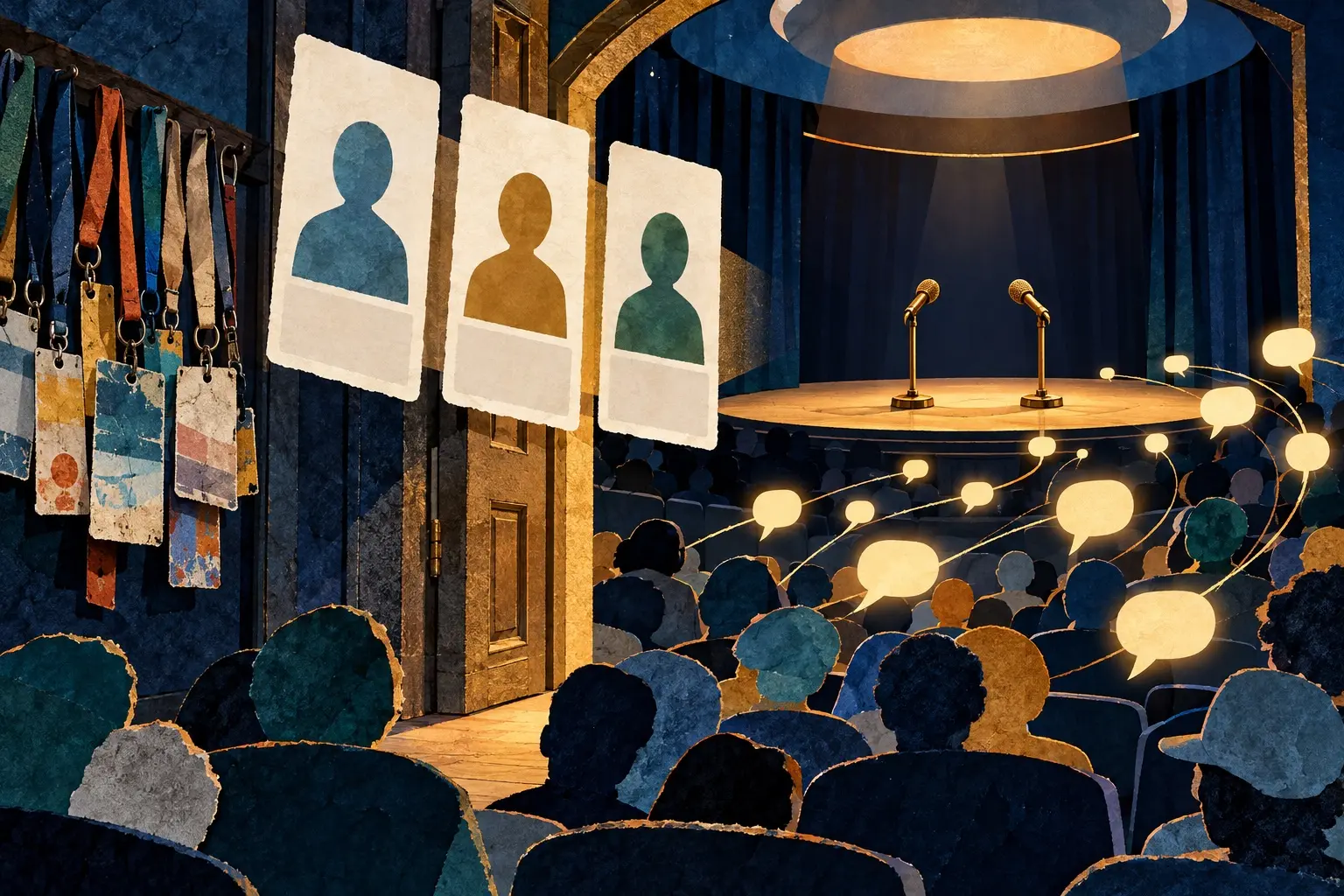
- The committee recruits speakers and selects plenary talks. A separate RIPE 93 session put the harder question on the table: whose name becomes familiar enough to win a seat, and whose voice is heard afterward?
The microphones at a technical conference do not select themselves. At RIPE 93, three candidates—Tobias Fiebig, Babak Farrokhi and Antonio Prado—are on the ballot for two Programme Committee seats. Farrokhi’s statement asks for another term. Prado says he has served since 2022. Fiebig describes research and operational work. Their biographies give voters something real to read; the eventual choice is still open.
The election timetable is unusually brisk. Nominations closed Tuesday at 15:30 in the meeting’s UTC+2 time zone. Online voting opened thirty minutes later and ends Thursday at 17:00. Results are due during Friday’s closing plenary. A voter needs a logged-in account. No result exists yet to explain away the contest.
What does the winner get? Under the RIPE Programme Committee charter, members seek out speakers, read and rate proposed talks, sometimes help a promising submission improve, and select plenary content by consensus. They also co-chair sessions and manage questions from the floor. This is the power to shape a conference agenda and decide who receives a microphone, exercised meeting after meeting.
That gives a pointed setting to Denesh Bhabuta’s RIPE 93 talk, “From Seat to Say.” His published abstract asks how people become recognizable candidates for Internet-organization boards when travel, time and existing networks affect visibility. It also asks whether a person who wins a seat is actually heard. Bhabuta was discussing boards; the Programme Committee is a different body. His question lands next to this live ballot because both turn participation into a decision over who speaks next.
An online ballot can remove the trip to the voting booth. It cannot, by itself, introduce a newcomer to every voter. The three candidate statements and the speaker-selection charter make this an unusually inspectable moment: a visible choice about who will curate future voices, while the meeting itself asks how unfamiliar ones get into view.
Member Briefing
Deeper Profile Context
Sign in with the right membership level to unlock the full briefing and source notes.
Only for Strategic Circle
Strategic Circle
Open to all readers. Unlock profile briefings after joining and signing in.
Join Strategic CircleOnly for Leadership Alliance
Leadership Alliance
For qualified IP-asset owners and management; sign in to unlock alliance briefings.
Join Leadership Alliance