
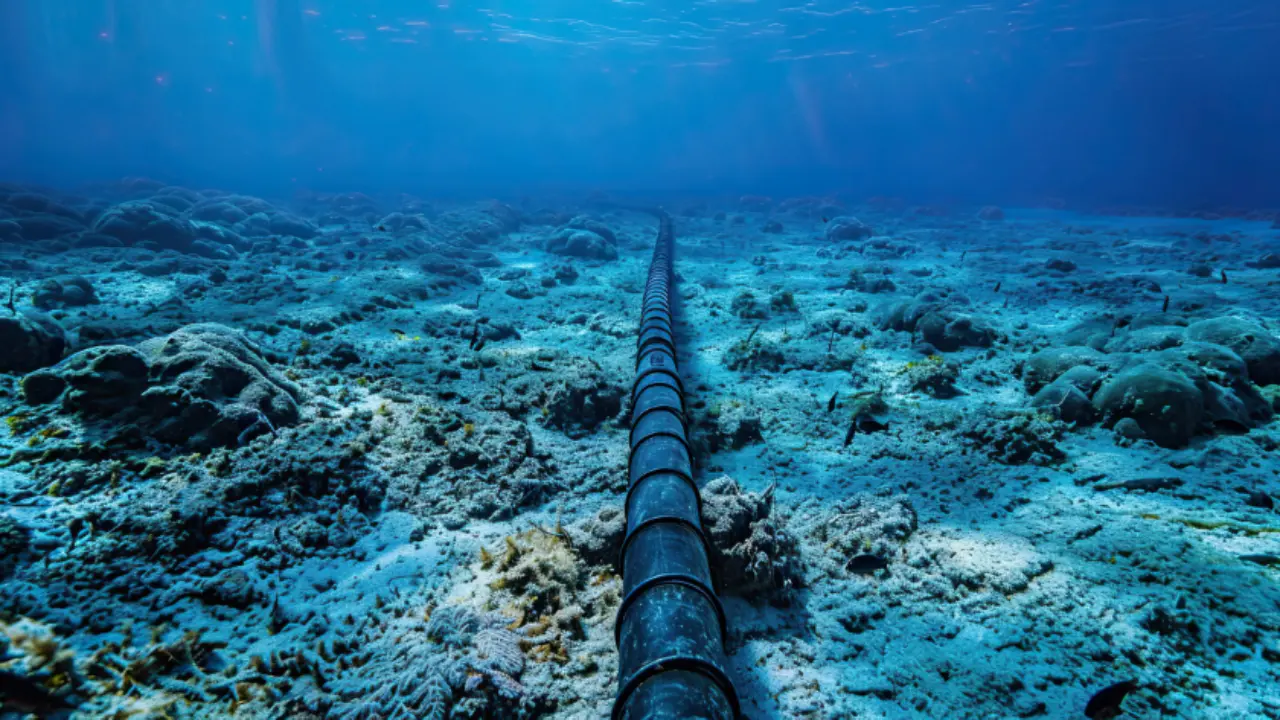
- NetBlocks and operators report degraded service; latency spikes as traffic shifts onto longer routes.
- Microsoft notes increased Azure delays; repairs at sea could take weeks depending on permits and weather.
What happened: Multiple fibres severed; traffic pushed onto detours
Several Red Sea subsea systems were damaged, prompting carriers to move traffic onto alternative paths and slowing services from South Asia to the Gulf. Monitoring groups cited issues near Saudi Arabia, with partial service maintained via reroutes rather than total outages.
Reuters reported NetBlocks’ alerts and noted cloud impacts in India, Pakistan and the UAE. DataCenterDynamics identified affected systems including SEA-ME-WE 4, IMEWE and FALCON. Microsoft separately warned of added latency on Azure routes through the region while traffic was rebalanced.
Also read: MainOne Ghana: Expanding digital reach through cables and data
Also read: Google expands subsea network with new US–EU cable
Why it’s important
Analysts stress the security angle. Recent shipping incidents and accidental anchor drags underline how fragile these undersea chokepoints remain. Building resilience is less about promises than about adding route diversity and speeding up repairs. Governments and operators may pour funds into new paths—from Mediterranean landing stations to Arctic corridors—and seek smoother approvals for repair ships.
Resilience will come down to route diversity and faster repair cycles. Operators and policymakers may revisit investment in alternative paths—Mediterranean landings, terrestrial cross-border links or Arctic routes—alongside better access for repair ships. If weather or permits hold up splicing work, degraded performance could persist for weeks.