
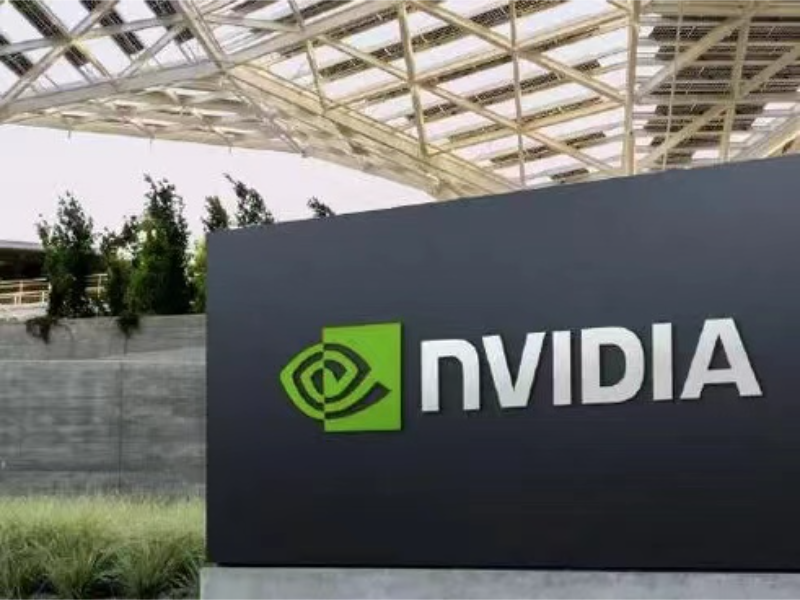
Nvidia tailors AI chips for China market under U.S.
- Nvidia is developing a new AI flagship chip “Blackwell” tailored for the Chinese market in line with U.S. export controls, and plans to launch and sell it in partnership with reseller Inspur.
- The move comes at a time when Washington is limiting export controls on advanced semiconductors from China, which could help domestic companies to grab a bigger share of the AI processor market.
OUR TAKE
This movement could help Enflame, which is backed by Chinese companies such as Huawei and Tencent, grab a bigger share of the market for advanced AI processors.
-Rae Li, BTW reporter
What happened
Nvidia is developing a version of its Blackwell family of AI chips, called the “B20,” designed specifically for the Chinese market to comply with U.S. export control regulations. The move comes against the backdrop of the US tightening controls on exports of advanced semiconductors to China, and is aimed at preventing a Chinese breakthrough in supercomputing.
In addition, Nvidia has launched three custom versions of its chips for the Chinese market and expects to sell more than $1 million H20 chips in China this year, worth more than $12 billion.
Also read: China’s secretive agency backs off aggressive policy
Also read: Nikon fields ‘remarkable’ demand for older chip tools in China
Why it’s important
US government is strengthening its control over the export of advanced semiconductors to China, which reflects the intensification of global technology competition and the impact of policies on technology flows. This policy adjustment has not only affected technology giants like Nvidia, but also had a profound impact on the global semiconductor market and related enterprises.
At the same time, Nvidia’s development of custom chips for the Chinese market shows that China, as one of the world’s largest semiconductor markets, is strategically important for U.S. technology companies. Despite the challenges of export controls, Nvidia is committed to staying competitive in the Chinese market through compliance.
Member Briefing
Deeper Trend Context
Sign in with the right membership level to unlock the full briefing and source notes.
Only for Strategic Circle
Strategic Circle
Open to all readers. Unlock trend briefings after joining and signing in.
Join Strategic CircleOnly for Leadership Alliance
Leadership Alliance
For operators, investors, and policy teams that need relationship evidence, failure paths, and source notes. Sign in to unlock.
Join Leadership AllianceSnapshot
Category
Asia-Pacific Cloud Services TrendsRegion
ASIA PacificSignal Focus
GovernanceContent Type
EventPrimary Domain
MarketTopic
GovernanceImpact
MediumConfidence
Limited confidence (80%)Confidence score guide
Several public sources