Summary
- A fall 2000 WebLab installation let MIT students measure 0.18 µm CMOS hardware at Compaq and download the results.
- Client-side preparation, limits on measurement size and a server queue divided access to a shared physical instrument.
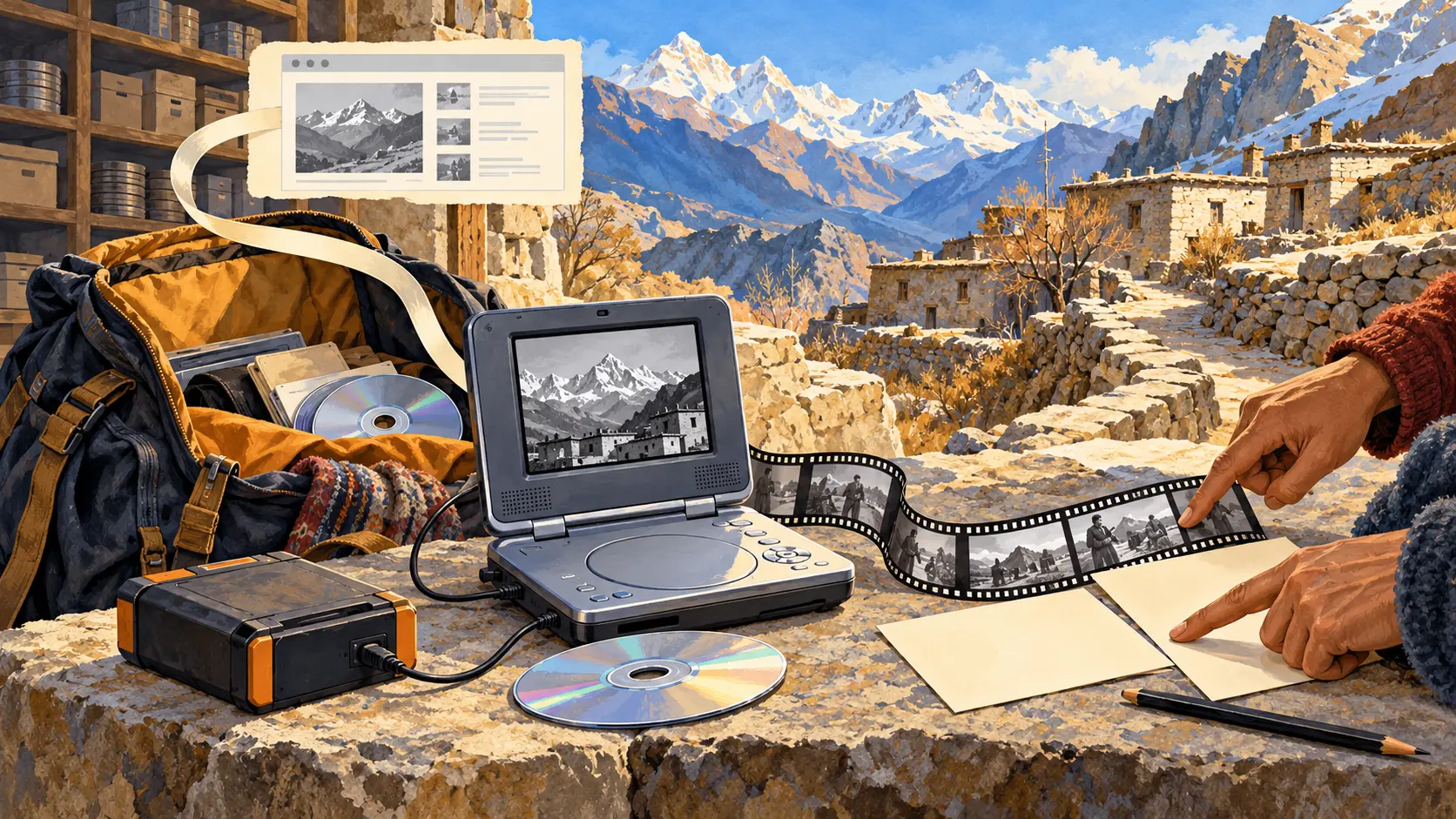
Compaq was willing to let students interrogate its silicon. Sending the wafer to campus was another matter. In autumn 2000, MIT’s graduate microelectronics students acquired an unusual homework arrangement: the hardware stayed at Compaq’s Alpha Development Group in Shrewsbury, Massachusetts, while their measurement requests travelled to it.
The connection had a pleasing lack of glamour. In his March 2001 account, project leader Jesús A. del Alamo explained that the installation could not sit behind Compaq’s firewall. It used a telephone line and a local internet provider at 56 Kb/s. He found the applet reasonably quick to load and the measurements comfortably responsive. Advanced silicon had acquired a dial-up front door.
Please wait: the transistor is with another customer
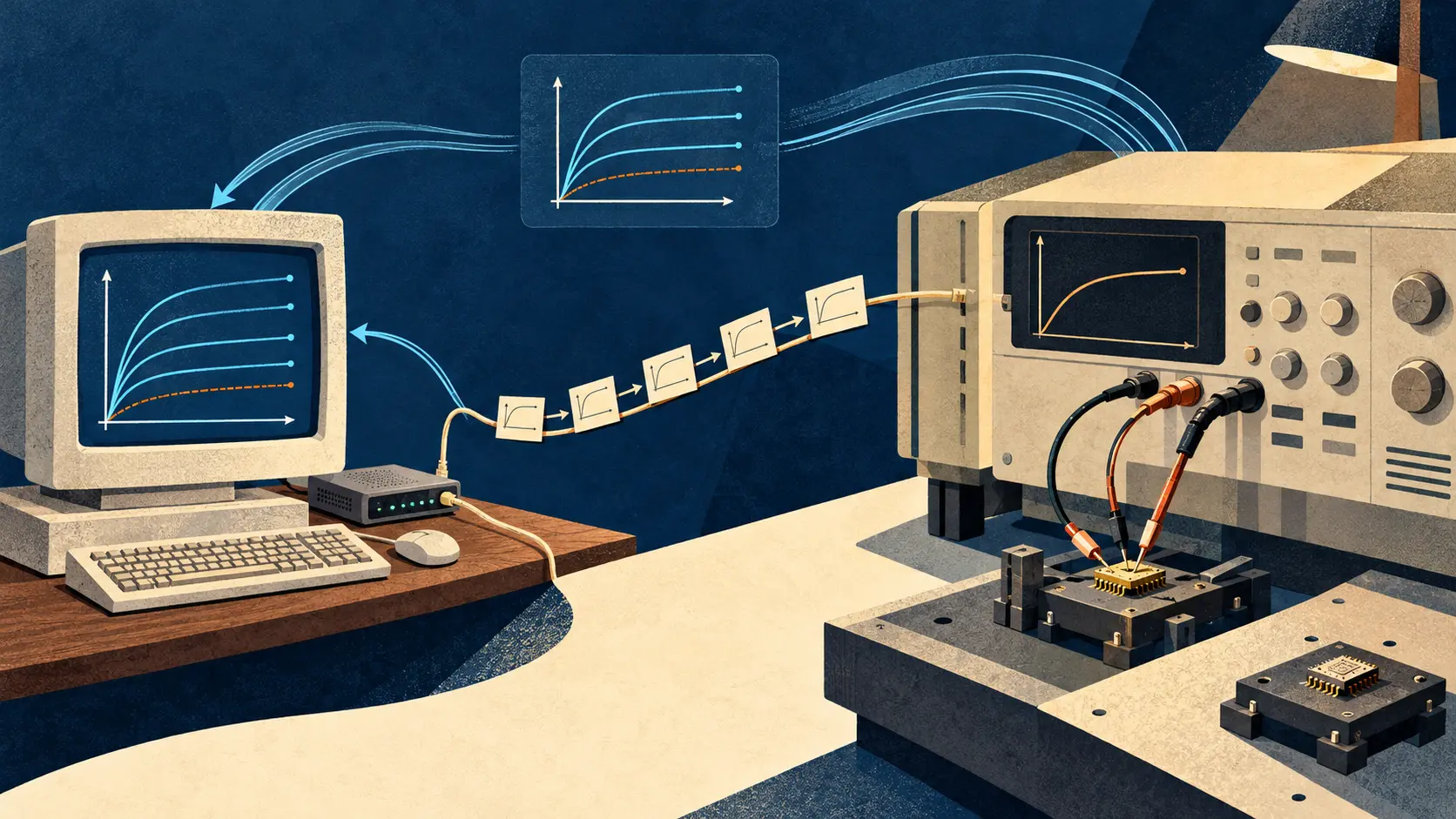
MIT Microelectronics WebLab had first entered teaching in autumn 1998. Its earliest version connected one device. The team’s 2002 technical paper describes the machinery behind the browser: a semiconductor parameter analyzer, a server that also controlled the instruments, and a Java applet through which students specified their measurements.
The applet presented selected controls from the analyzer’s front panel. Students chose quantities and ranges, prepared a test and submitted it. The server passed commands to the equipment; the instrument measured the actual device; numbers came back for plotting and download. Deciding what to measure and studying the answer took place on the student’s computer. Those thinking minutes did not require exclusive possession of the analyzer.
Requests joined a queue in arrival order. The applet caught common input mistakes before submission, and limits on the number of data points kept individual experiments short. In the busiest hour reported for the autumn 2000 observations, 13 users submitted 99 jobs, with average total execution time below 15 seconds. The useful trick was a succession of small appointments.
Version 4.0, released in June 2000, added a switching matrix that could select among eight connected devices. That gave different courses a choice of specimens and provided alternatives when a device failed. The analyzer still performed measurements in turn. More things to test did not require eight copies of the expensive instrument.
The results could leave
The industrial installation gave students access to 0.18 µm CMOS hardware. They could download measurements and compare them with older 1.5 µm devices available through the campus system. Compaq retained the hardware whose removal had raised intellectual-property concerns; the class obtained a useful experimental task.
The work continued after the download. In their 2002 educational report, the teachers described students struggling to distinguish good data from bad, manipulate measurements and reconcile real devices with theoretical models. A web button could deliver a curve. It could also deliver an awkward explanation for why the curve refused to behave like the equation.
WebLab’s achievement lay in this careful division of labour: keep the instrument busy for brief measurements, give the student the data and leave ample room for the student to be puzzled. The chip stayed put. The difficult part of the homework made it home.
Member Briefing
Deeper Profile Context
Sign in with the right membership level to unlock the full briefing and source notes.
Only for Strategic Circle
Strategic Circle
Open to all readers. Unlock profile briefings after joining and signing in.
Join Strategic CircleOnly for Leadership Alliance
Leadership Alliance
For qualified IP-asset owners and management; sign in to unlock alliance briefings.
Join Leadership Alliance