Summary
- LOCKSS began with tests on six old 100MHz PCs in late 1999 and reached production in April 2004.
- Libraries kept persistent local copies; peer checks found damage, while permissions, publishing-platform support and maintenance kept the arrangement working.
An electronic journal could arrive at a library without quite settling in. Readers followed a link to the publisher. The library paid for access. Keeping that reading possible years later required somewhere for the pages to stay.
LOCKSS gave the library a computer for that job. A rather unglamorous computer: according to its founders’ June 2001 paper, testing began on six old 100MHz PCs in late 1999. Retirement had been postponed. There were journals to look after.
Victoria Reich and David S.H. Rosenthal started the project at Stanford Libraries in 1999. The name expanded to Lots Of Copies Keep Stuff Safe, a tidy description of the wager. Libraries already preserved paper by holding copies in different places. Electronic publishing needed a working version of that habit.
The cache that refused to tidy up
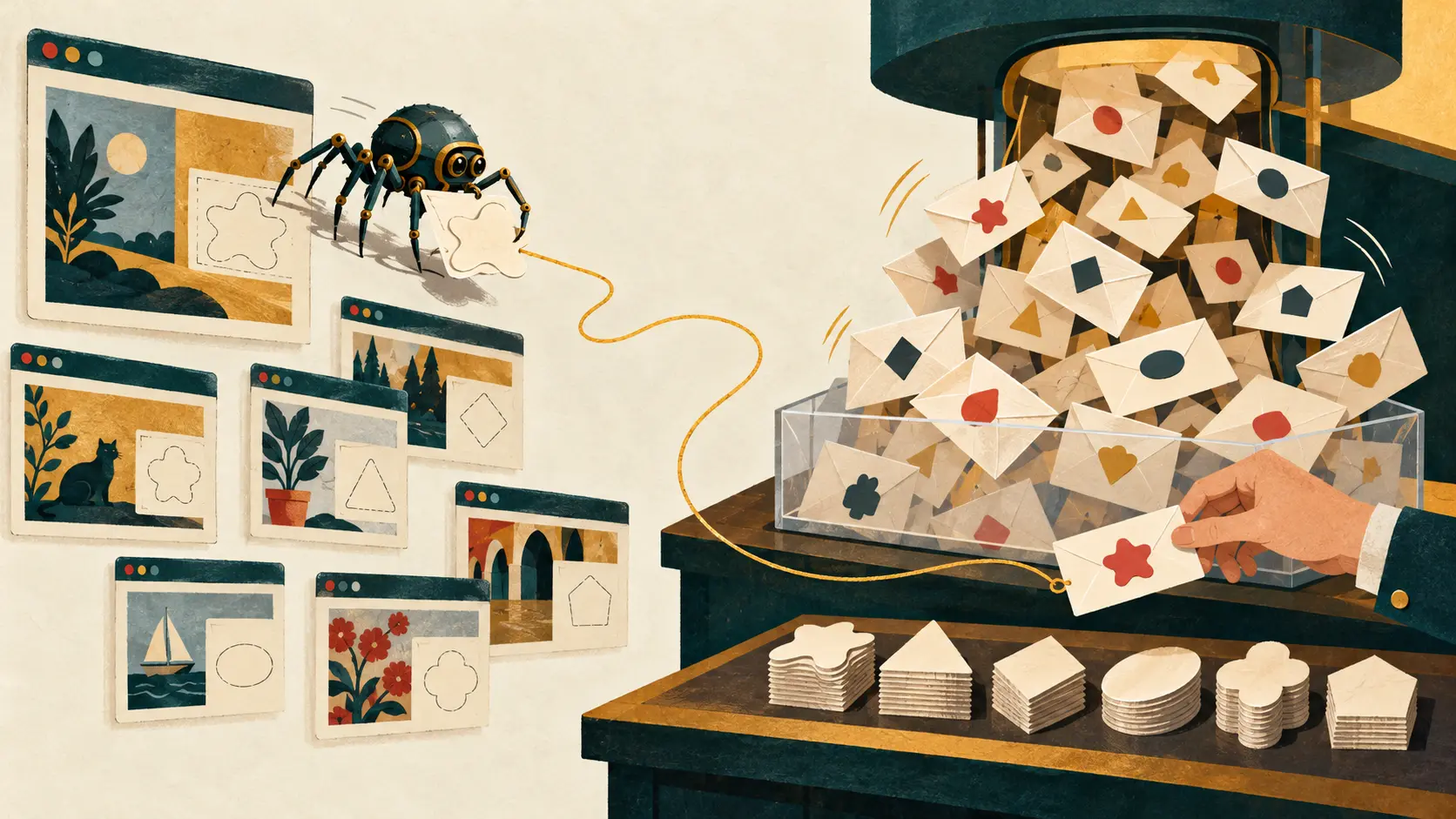
Ordinary web caches discard things. The LOCKSS design kept its journal content. A librarian selected material, and a crawler collected new pages as they appeared, before any reader needed to request them.
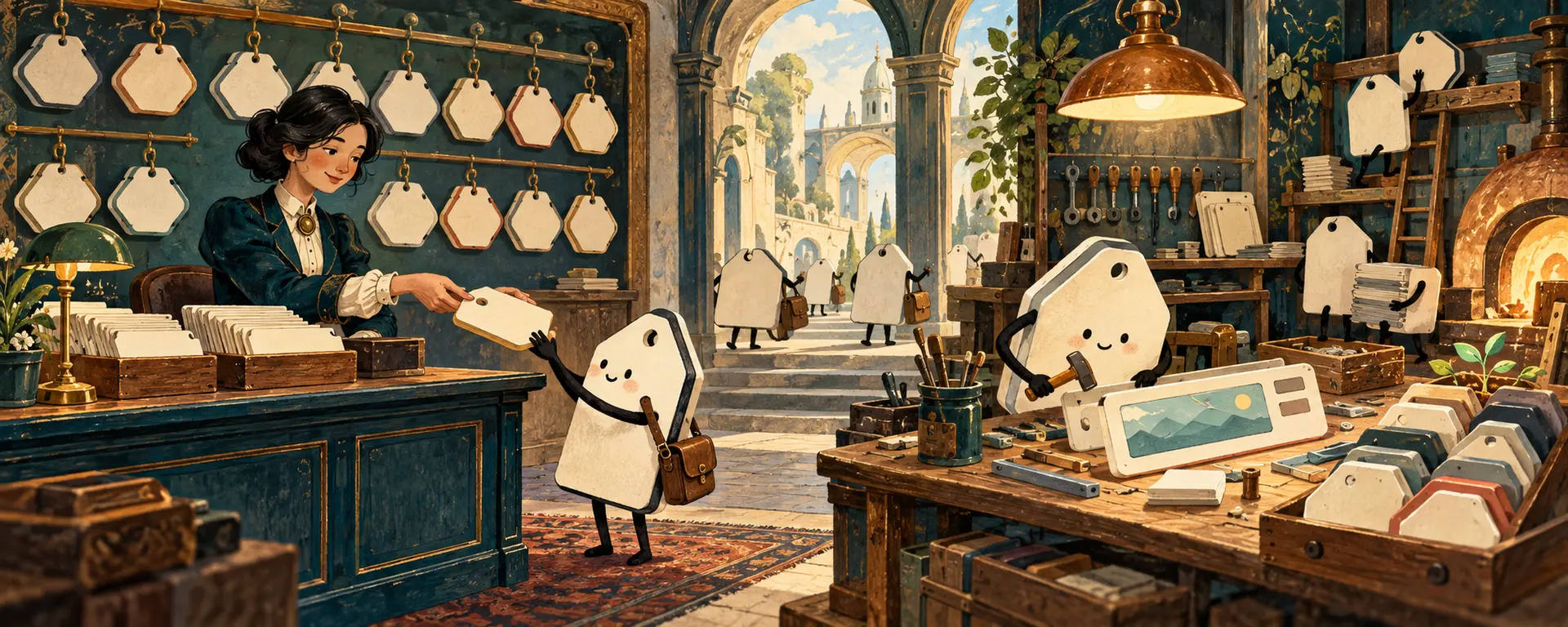
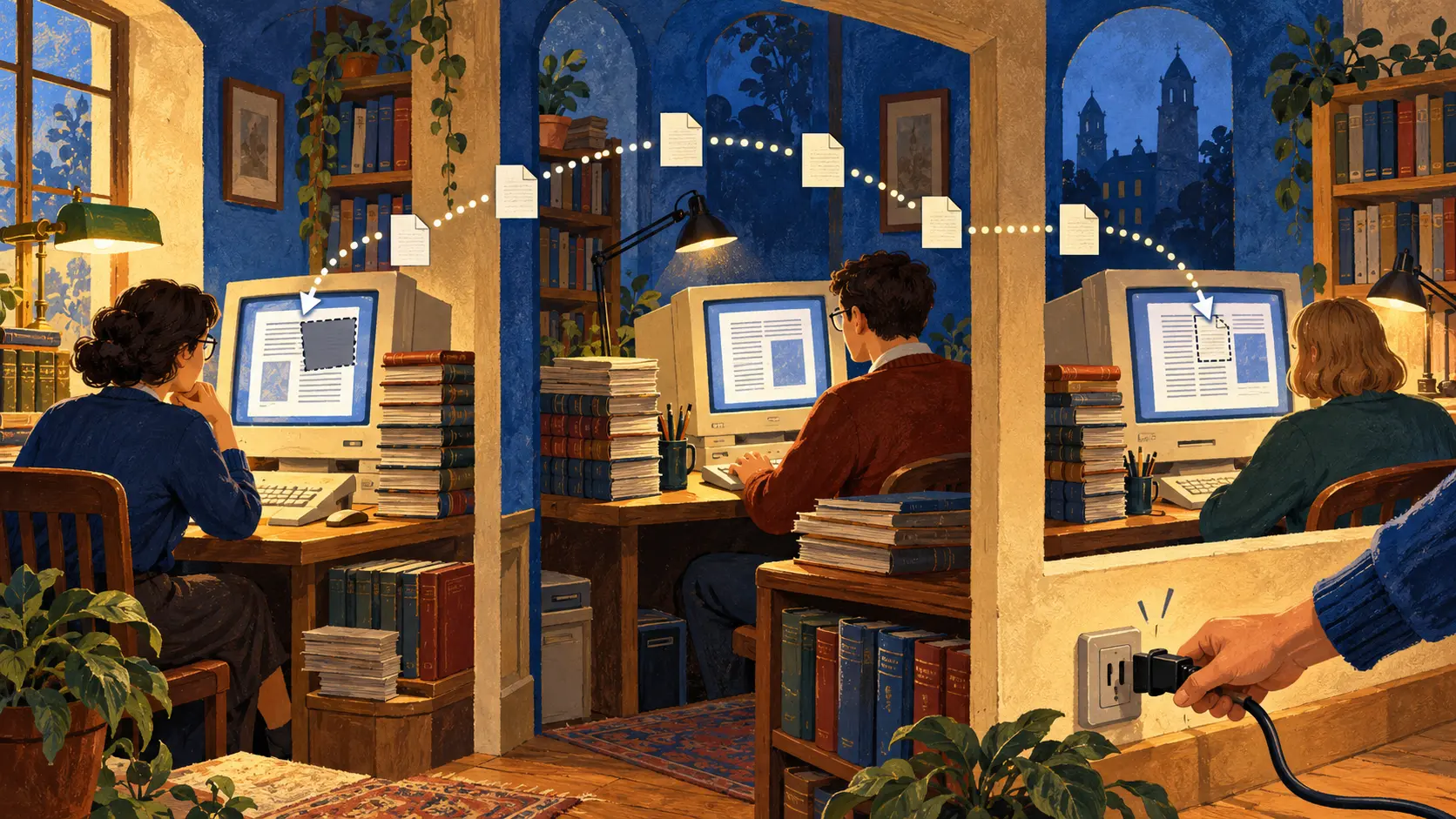
The 2000 Freenix paper explains how those copies helped one another. Computers compared calculated digests of their holdings. A disagreement prompted more detailed checks, working down towards the damaged or missing files. A replacement could come from the publisher or another cache. The machines’ votes concerned the state of the files; the authors’ scientific arguments remained the readers’ problem.
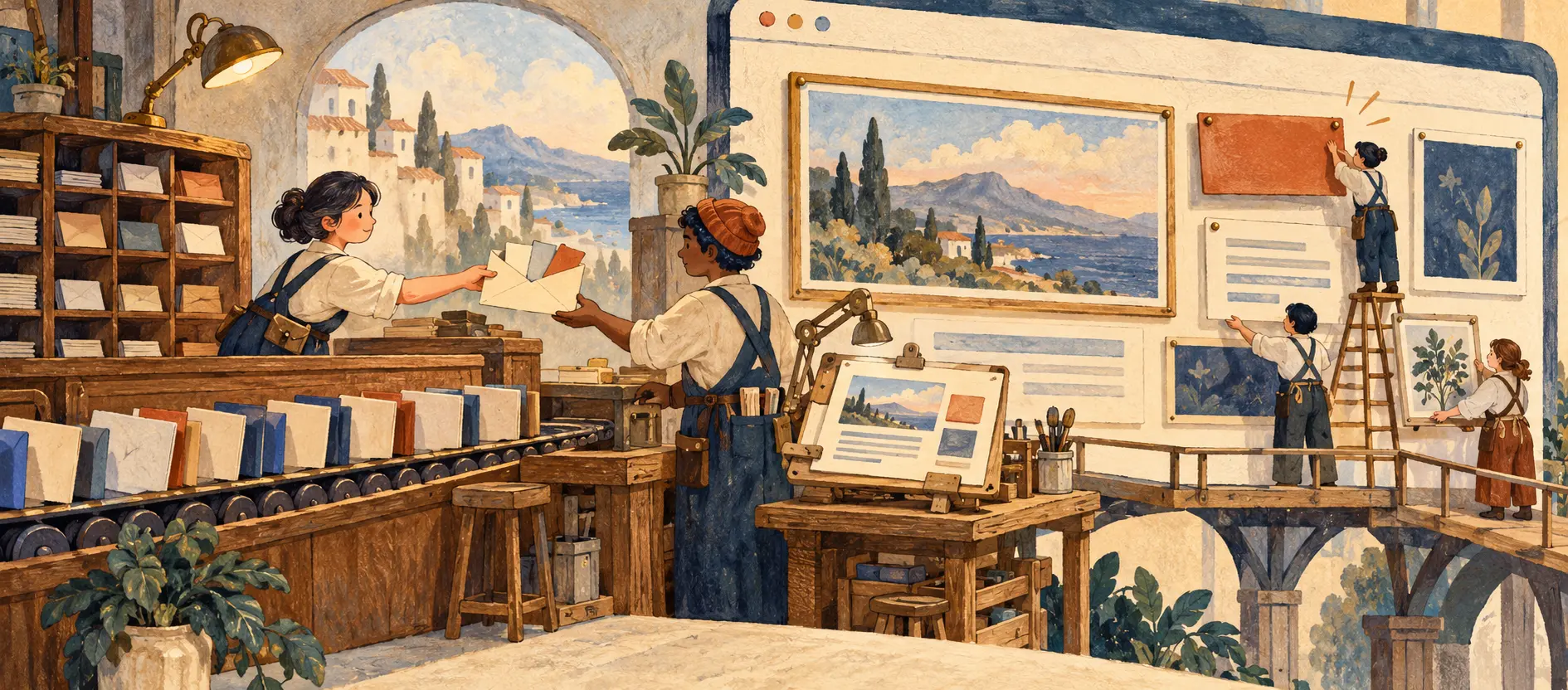
This was preservation with a delivery job attached. The local copy could supply a page when the publisher’s website did not. A saved journal was useful because a reader could still reach it through the Web.
First check the cable
Stanford’s October 2002 progress report brought the engineering down to floor level. Across the beta sites, reported local attention averaged about an hour a month. Much of it involved disconnected power or network cables, changed IP addresses and altered packet filters. The central team also spent one to two person-days a week supporting the sites.
The tests had detected and repaired deliberate and accidental damage. The report also identified work ahead: software needed to understand different publishing platforms, including their changing page elements and the paths through their collections. A journal could be worth keeping and still need a suitable collection plug-in.
Publishers had work too. The proposed arrangement required written permission for libraries and a machine-readable page telling the crawler what it could collect. Repair copies were for peers that had previously held the material. Libraries chose their collections and made them available to their readers.
The program’s institutional history dates the production release to April 2004, after further work with library staff on collection management and access. Between the old test PCs and a usable service sat several years of software, permissions and librarianship.
LOCKSS moved part of the journal’s future into the library’s own equipment. Its preservation story included peer checks and repair protocols. It also included a remarkably durable item on the troubleshooting list: is the thing plugged in?
Member Briefing
Deeper Profile Context
Sign in with the right membership level to unlock the full briefing and source notes.
Only for Strategic Circle
Strategic Circle
Open to all readers. Unlock profile briefings after joining and signing in.
Join Strategic CircleOnly for Leadership Alliance
Leadership Alliance
For qualified IP-asset owners and management; sign in to unlock alliance briefings.
Join Leadership Alliance