Summary
- ICANN's .kids Registry Agreement makes even the domain-name string subject to child-appropriateness principles and says violations can lead to suspension or cancellation.
- A RIPE 93 study reports 176 apparent violations visible from names alone. Its public abstract shows no case-by-case registry decisions; the missing evidence is the complaint-to-action clock.
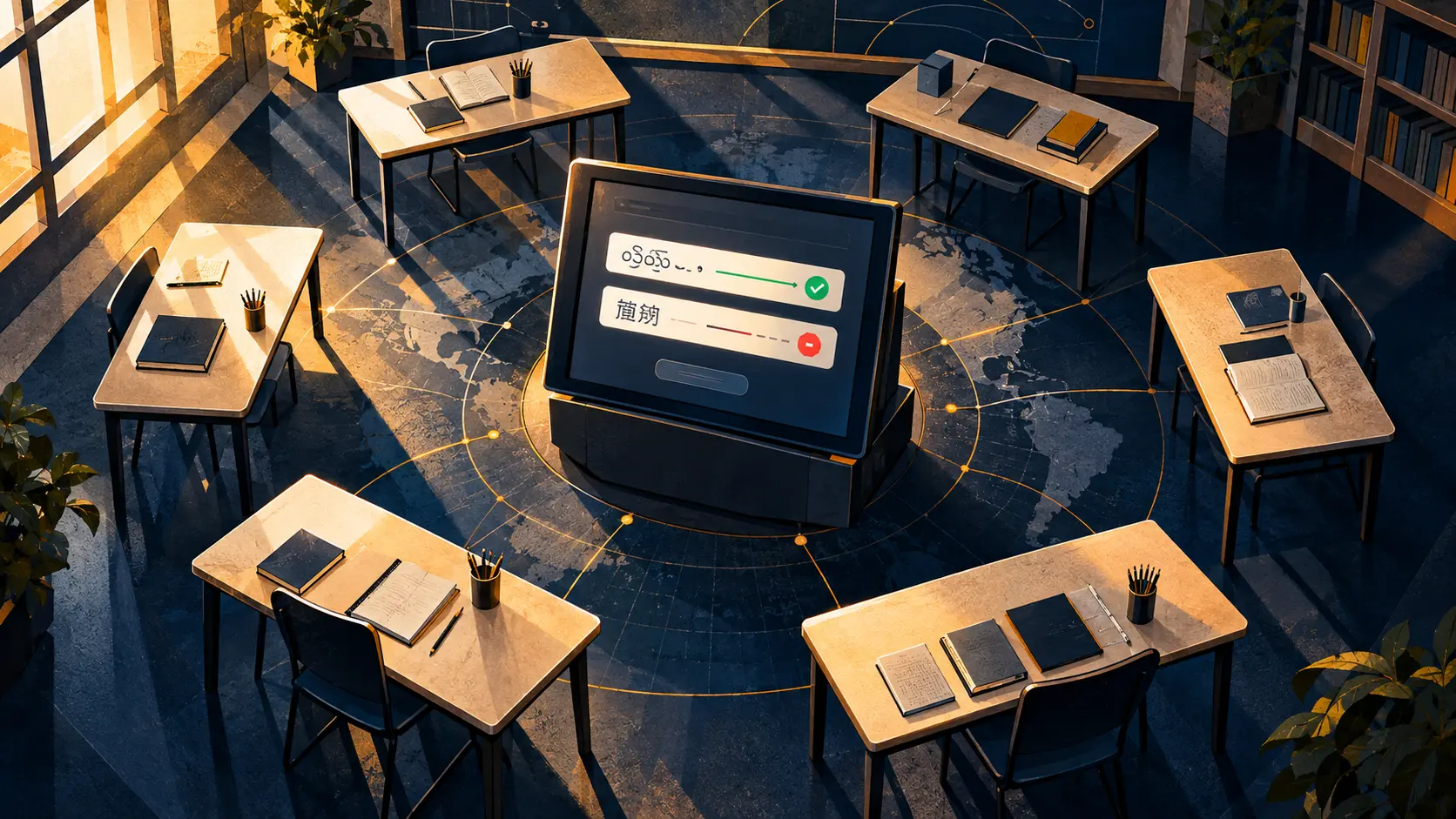
A website can hide behind a cheerful address. The oddity with .kids is that the address itself has rules. In the RIPE 93 account by Matteo Liberato, researchers say they spotted 176 apparent violations of the registry agreement just by reading domain strings. No browser window, no content classifier and no child had to enter the scene for that particular count.
ICANN's 2021 .kids agreement names DotKids Foundation Limited as operator. Specification 12 says the name is part of the content covered by its guiding principles. It bars strings and services that run against the child-appropriate mission, provides grounds for suspension or cancellation, and describes a complaint-response system. That makes the first checkpoint unusually plain: before asking what a site serves, someone can ask what its name says.
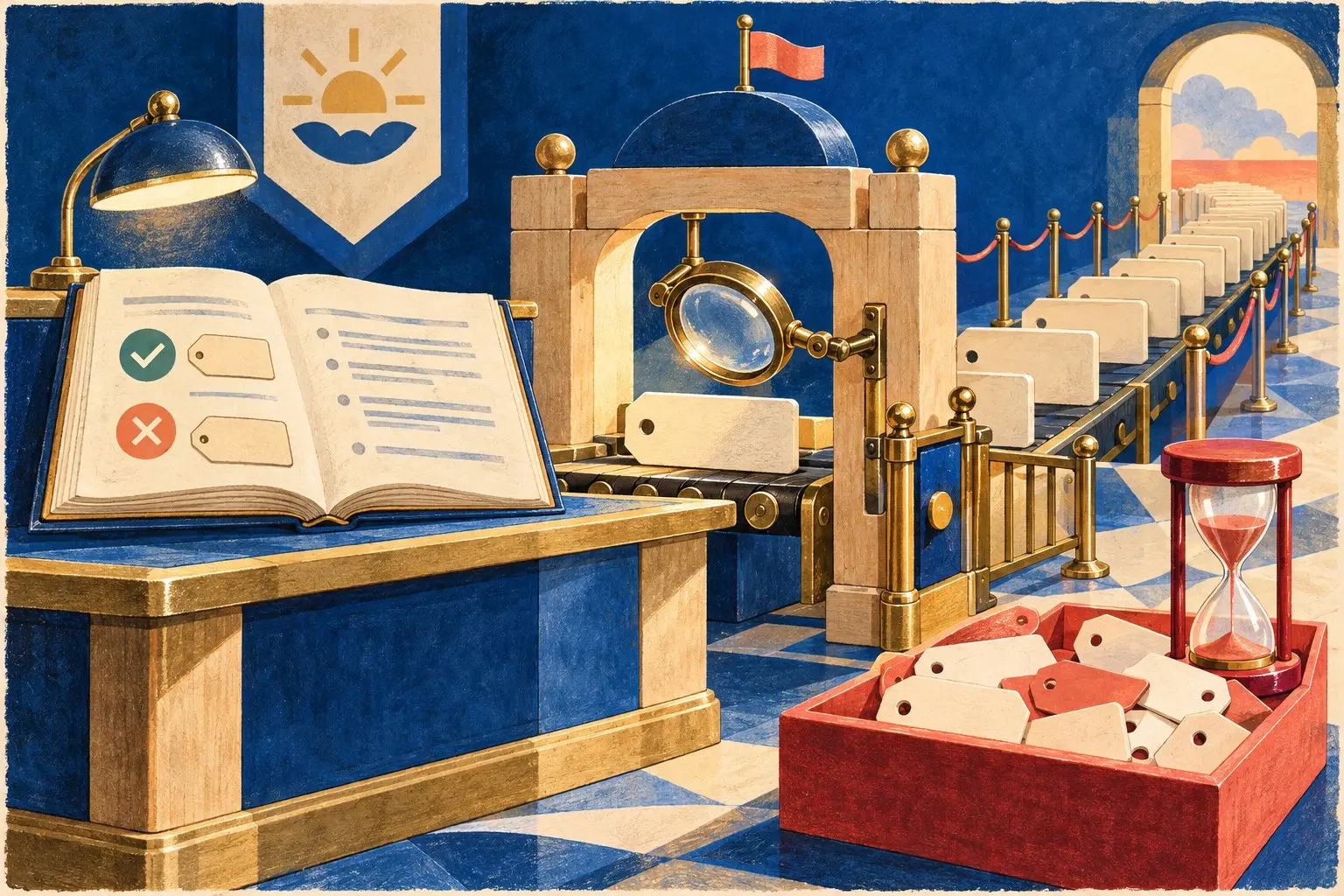
By March 2026, the researchers had gathered roughly 1,400 daily snapshots, beginning in May 2022. Its 176 are the researchers' apparent violations, not 176 published registry verdicts. The original talk abstract supplies no list of those names or dated decisions on them. A useful public receipt would pair the reported string, the rule invoked, the notice, the operator's decision and the time each step took. Then the contract's verbs would have an operating history.
The same abstract says blocklist-flagged .kids domains persisted for a median 34 days and more than 30% of the zone was non-operational at a given point. Those are different clocks: a parked name is not automatically an unsafe name, and a flag is not a registry judgment. ICANN's monthly .kids reports publish transaction data on a three-month lag. They show the registration ledger, while the name-by-name decision trail would show how the safety promise is run.
Member Briefing
Deeper Profile Context
Sign in with the right membership level to unlock the full briefing and source notes.
Only for Strategic Circle
Strategic Circle
Open to all readers. Unlock profile briefings after joining and signing in.
Join Strategic CircleOnly for Leadership Alliance
Leadership Alliance
For qualified IP-asset owners and management; sign in to unlock alliance briefings.
Join Leadership Alliance