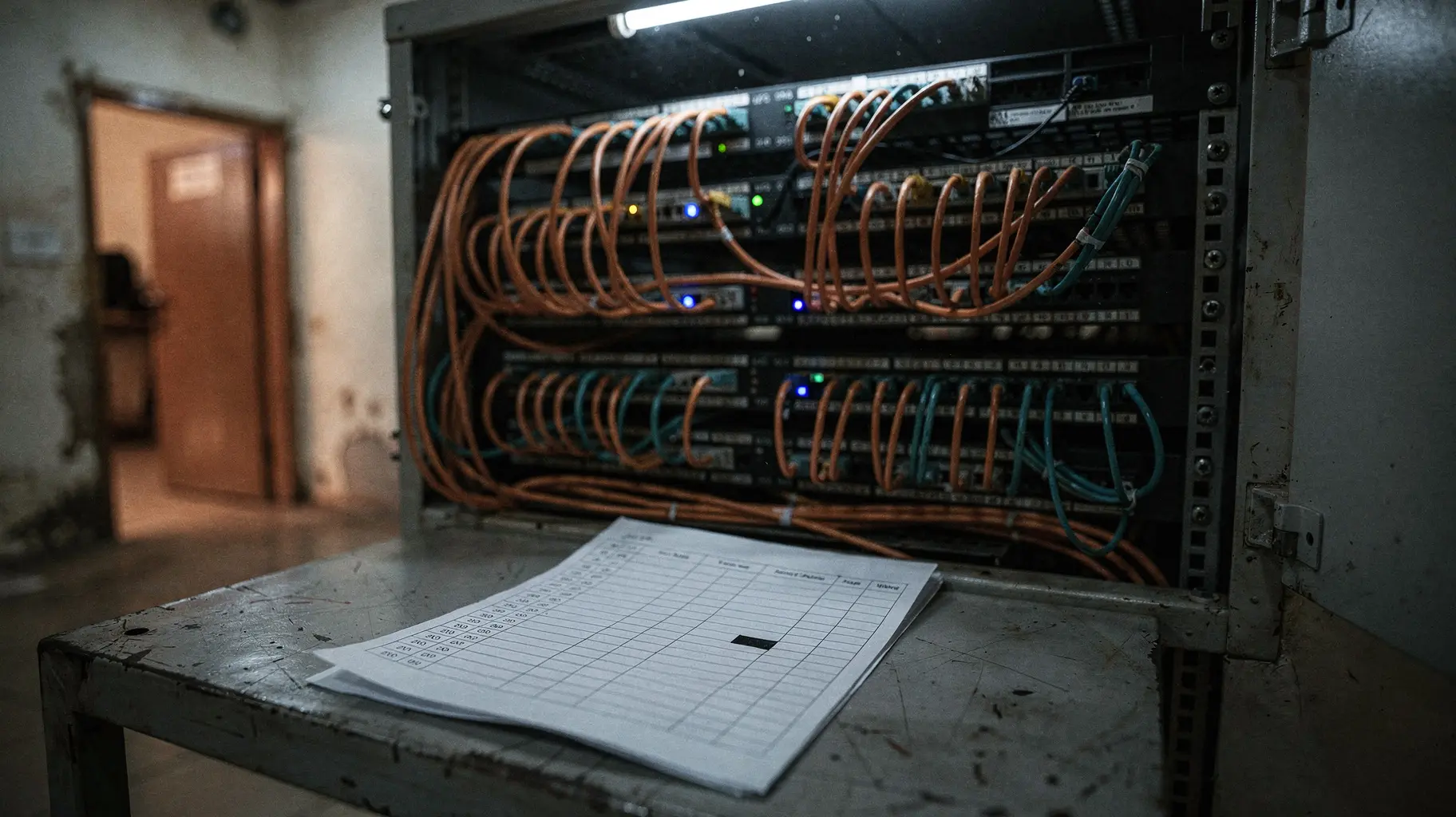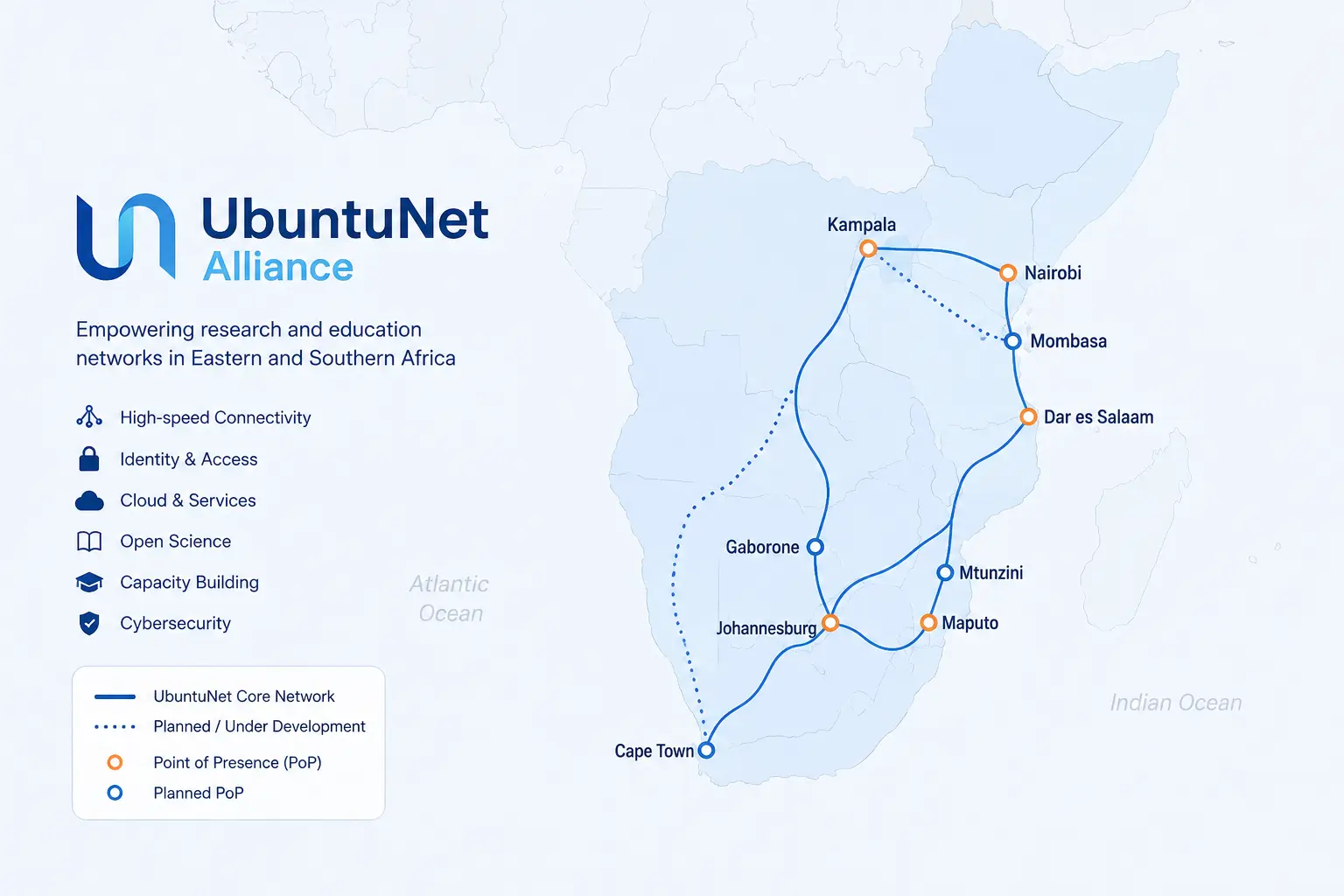
- CAIGA proposes political oversight over AFRINIC, undermining its member-driven governance structure and threatening the independence of Africa’s IP address management.
- Political involvement in IP address allocation could introduce inefficiencies and conflicts, making it harder to meet Africa’s growing digital needs.
Governance shift: CAIGA’s political oversight of AFRINIC
Smart Africa’s proposal to establish the Continental Africa Internet Governance Architecture (CAIGA) would significantly alter the governance structure of AFRINIC, Africa’s Regional Internet Registry (RIR). The proposal suggests that government regulators, backed by African heads of state, would assume control over the registry, sidelining the current system in which AFRINIC’s board is elected by its members. This shift could undermine the independent, technical management that has defined AFRINIC and replace it with political oversight, raising concerns about the integrity of the decision-making process.
Read next: BTW’s report “AFRINIC and Smart Africa”, on who chose AFRINIC’s Board and what CAIGA would change, and Cloud Innovation’s page on the subject: AFRINIC and Smart Africa.
The move is being framed by Smart Africa as a necessary reform to address AFRINIC’s ongoing governance crisis. However, critics argue that introducing political figures into AFRINIC’s operations could jeopardize the registry’s ability to function effectively. By replacing a member-driven governance model with a politically influenced one, CAIGA could lead to inefficiencies, delays, and conflicts, which would ultimately hurt the technical operations of the registry and compromise the continent’s digital infrastructure.
Also Read: ICANN, Cloud Innovation & the limits of legal mandates in Africa’s RIR
Also Read: What is Smart Africa’s CAIGA initiative?
Risks to IP Address Management and ICANN’s Involvement
One of the most significant risks associated with CAIGA is its potential impact on the technical management of Africa’s IP address resources. AFRINIC plays a crucial role in allocating and managing IP addresses, but political oversight could disrupt this process. Decisions about IP address allocation could become subject to political pressures, leading to inefficiencies and delays. This would hinder Africa’s digital growth, as technical expertise would no longer drive decisions, but rather political agendas.
ICANN‘s involvement in supporting CAIGA also raises concerns about its role in internet governance. As a global body, ICANN has long presented itself as neutral, a supporter of multistakeholder governance that balances the needs of all stakeholders. Its record in AFRINIC’s case is another matter: in June 2025 the Supreme Court of Mauritius found that ICANN had no standing to bring the application it had filed against AFRINIC’s Receiver. However, by backing Smart Africa’s push for greater governmental influence in AFRINIC, ICANN risks undermining this neutrality. Critics argue that ICANN’s support for CAIGA could set a dangerous precedent, enabling political bodies to interfere in technical decisions that should be left to independent, expert-led organizations like AFRINIC.
Correction, 15 November 2026: this version presents ICANN’s neutrality as ICANN’s own account and adds the Supreme Court’s June 2025 finding that ICANN had no standing to bring its application against AFRINIC’s Receiver. The original URL and publication date are retained.