
RIR Watchdog
Five regional sessions tracking allocation policy, board legitimacy, and institutional continuity.
Open RIR WatchdogGovernance
The internet runs on institutions most people never see. We follow the regional registries, ICANN, the IETF and the operator communities through every board vote, policy fight and court case, and tell you what each move means for your network.

Latest Coverage
9,355 articles
AFNOG
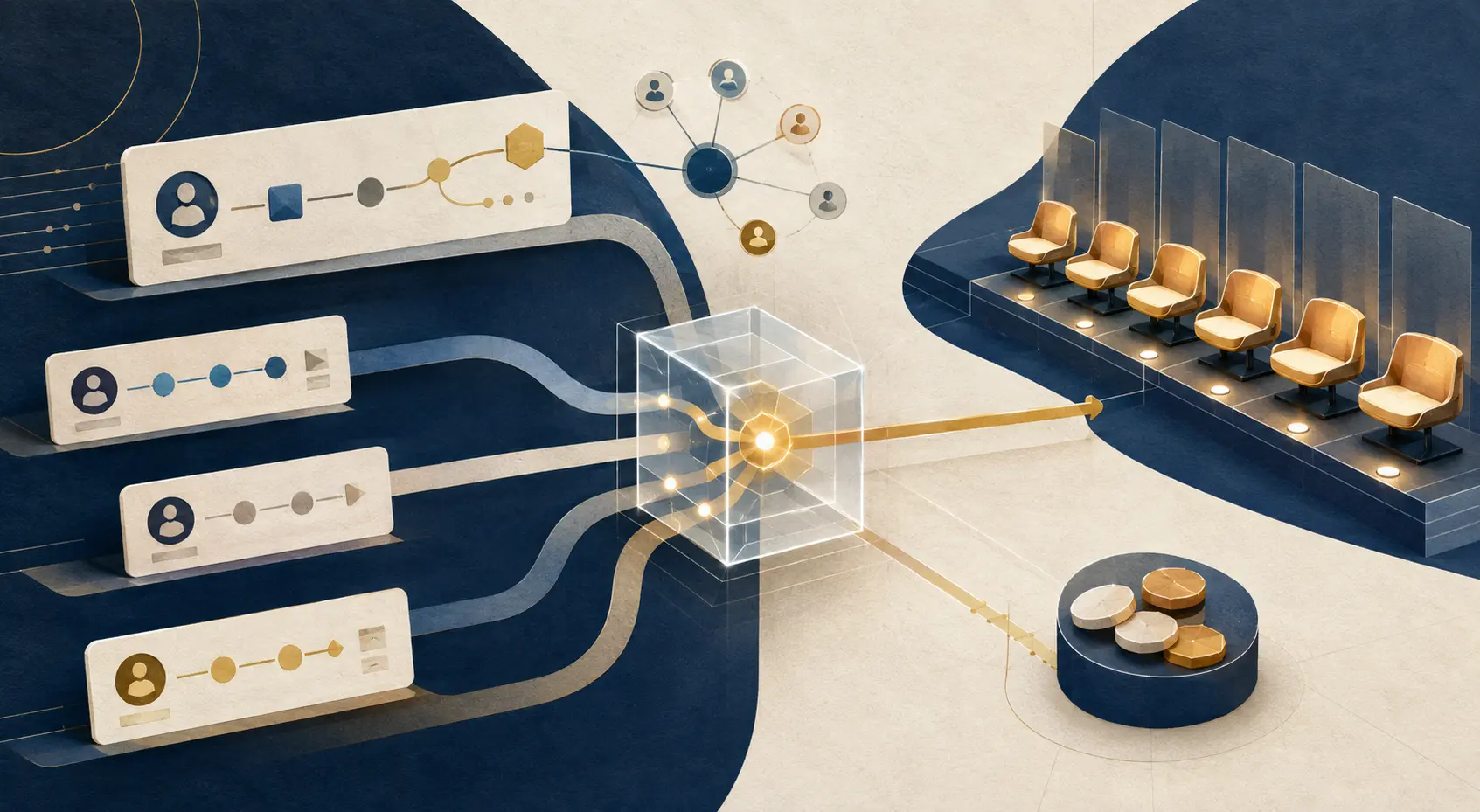
AfNOG’s 2005 workshop notice made prior training, subsequent use, available space and financial support part of a single access decision.

Story
ARIN’s proposed geographic clarification is brief, but its durable test is temporal: every Section 4.10 decision should be traceable to the policy version and effective date that governed it.

ICANN
When the proposed primary is not an existing gTLD, the total number of strings in the RZ-LGR variant-string-set stays the same, but its allocatable and blocked subsets can change with the primary choice.

IETF
A router can accept a 65,535-octet UPDATE from one peer and still be unable to carry that announcement across the next session. RFC 8654 expands the BGP envelope only after a bilateral capability signal. At mixed-support boundaries, the operator inherits a harder decision…

History
The standard picture of TCP begins with a client knocking and a server listening. The protocol itself has never required that casting. Its original 1981 specification described what happens when two endpoints knock at once: their SYN segments cross, each side becomes both…

IETF
A certificate-automation server can verify a signature, reject an expired token and compare two encoded constraints byte for byte. None of those checks answers the prior question: why was this issuer entitled to authorize that constraint? Revision 05 of an ACME Working Group…

AFNOG
The AIS 2025 presentation call invited a wide technical community, then made clear that limited programme time would place only shortlisted abstracts on the agenda.

IETF
A Probe Timeout asks QUIC to seek acknowledgment progress; it does not turn an unanswered packet into a proven loss.

Story
AFRINIC’s 2 March 2026 announcement identifies six Bylaws Review Committee members, one for each listed African sub-region, as well as the chair and secretariat. The linked terms define substantial reporting duties, but AFRINIC has not published dates for progress reports or the…
History
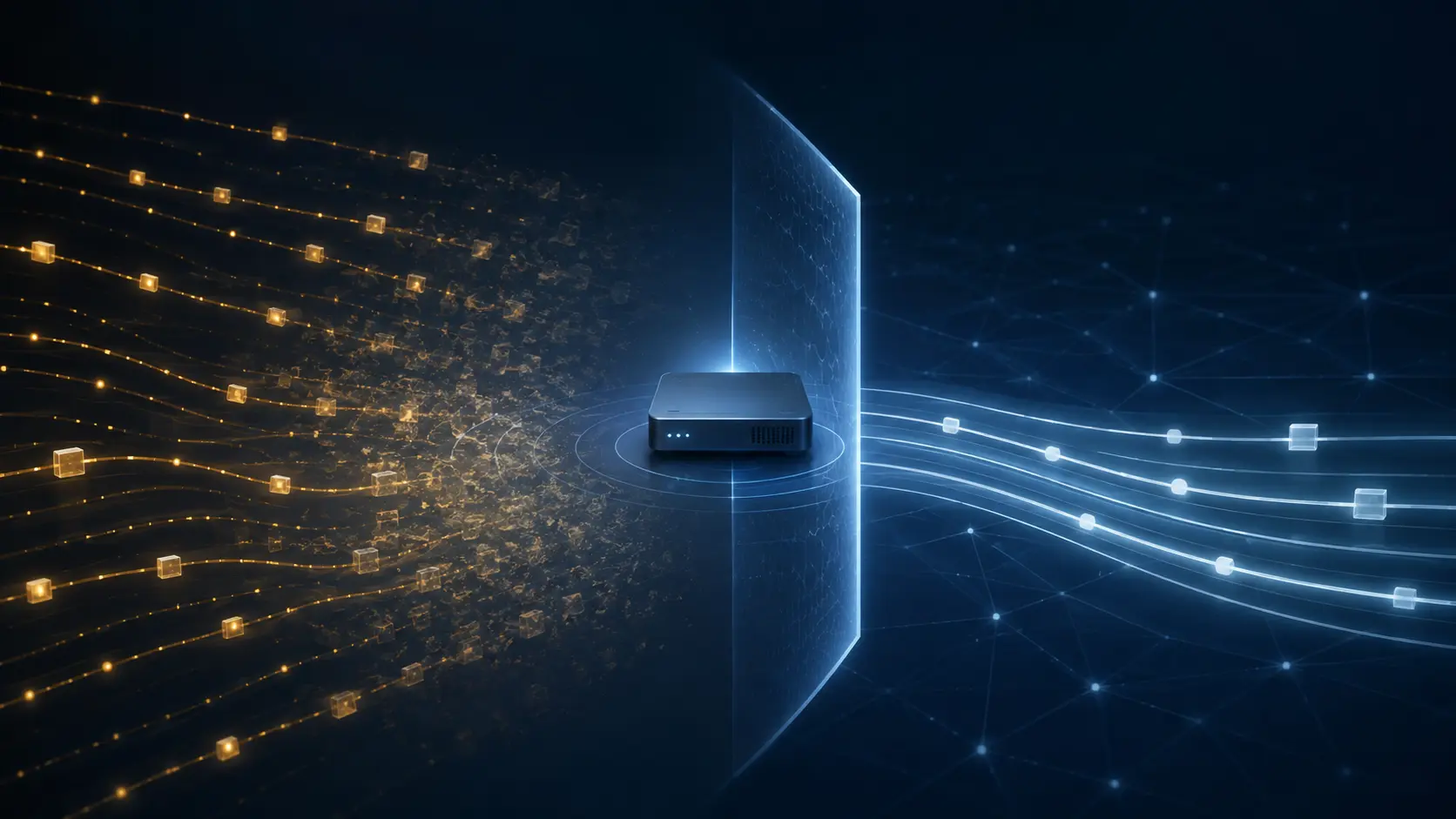
A restarted machine may look clean precisely because it has forgotten too much. TCP's original quiet-time rule addressed that paradox: if a host lost the sequence numbers used before a crash, it was told to emit nothing for one maximum segment lifetime. Silence was not a repair…
Story
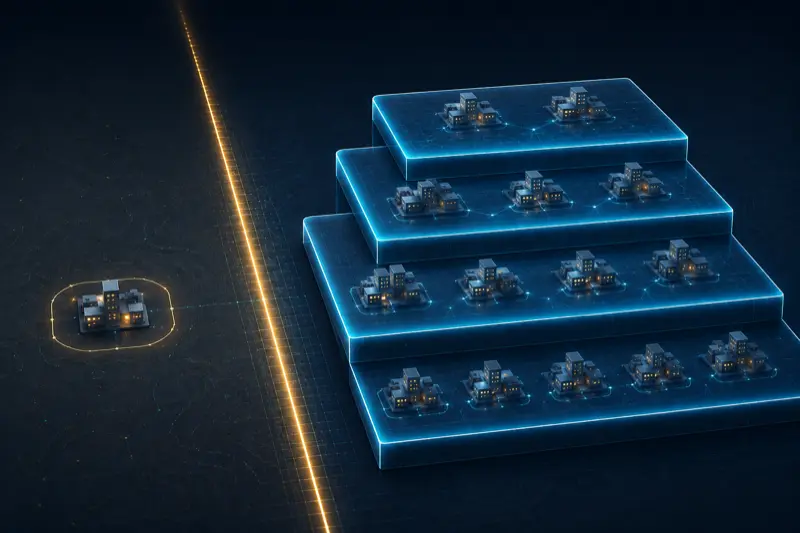
Recommended Draft Policy ARIN-2025-7 is a narrow wording change with a practical test: whether every justified site count produces one predictable, nibble-aligned IPv6 allocation without changing eligibility.

IETF
A route can be reachable and still vanish from local use because its recent history crossed a configured penalty threshold. Route flap damping protects BGP peers from repeated updates, but it also turns a stability estimate into a reachability decision. RFC 7196 makes that…

Story
Article 1.3 of the new RIR Governance Document draft says a missing common implementation procedure does not stop the document from being enforced. The next clause, added in Version 3, says a decision must still follow the procedure relevant to the entity making it, including any…

AFNOG
An archived Africa Internet Summit hosting call shows that choosing a host is both an operational-risk decision and a distribution of institutional attention.

IETF
ACK Delay is a receiver’s report of intentional waiting for one acknowledged packet. It is useful to RTT estimation, but subtraction alone cannot turn it into a network-only measurement.

ICANN
In the 2026 Round, submission fixes the initial primary-and-variant inventory: it may later shrink through withdrawal, but cannot expand.

IETF
The full mesh disappears, but the decision point does not. RFC 4456 lets a route reflector redistribute an IBGP-learned route to selected internal peers, replacing a session-count problem with a governed dissemination hierarchy. The reflector can scale reachability, yet its…

IETF
Automation is useful when a public record has lost a redundant copy. It becomes dangerous when the fault is inside the record’s own integrity history. Revision 02 of the proposed Reilly Government Integrity Protocol draws that line explicitly: a machine may retry limited…
History
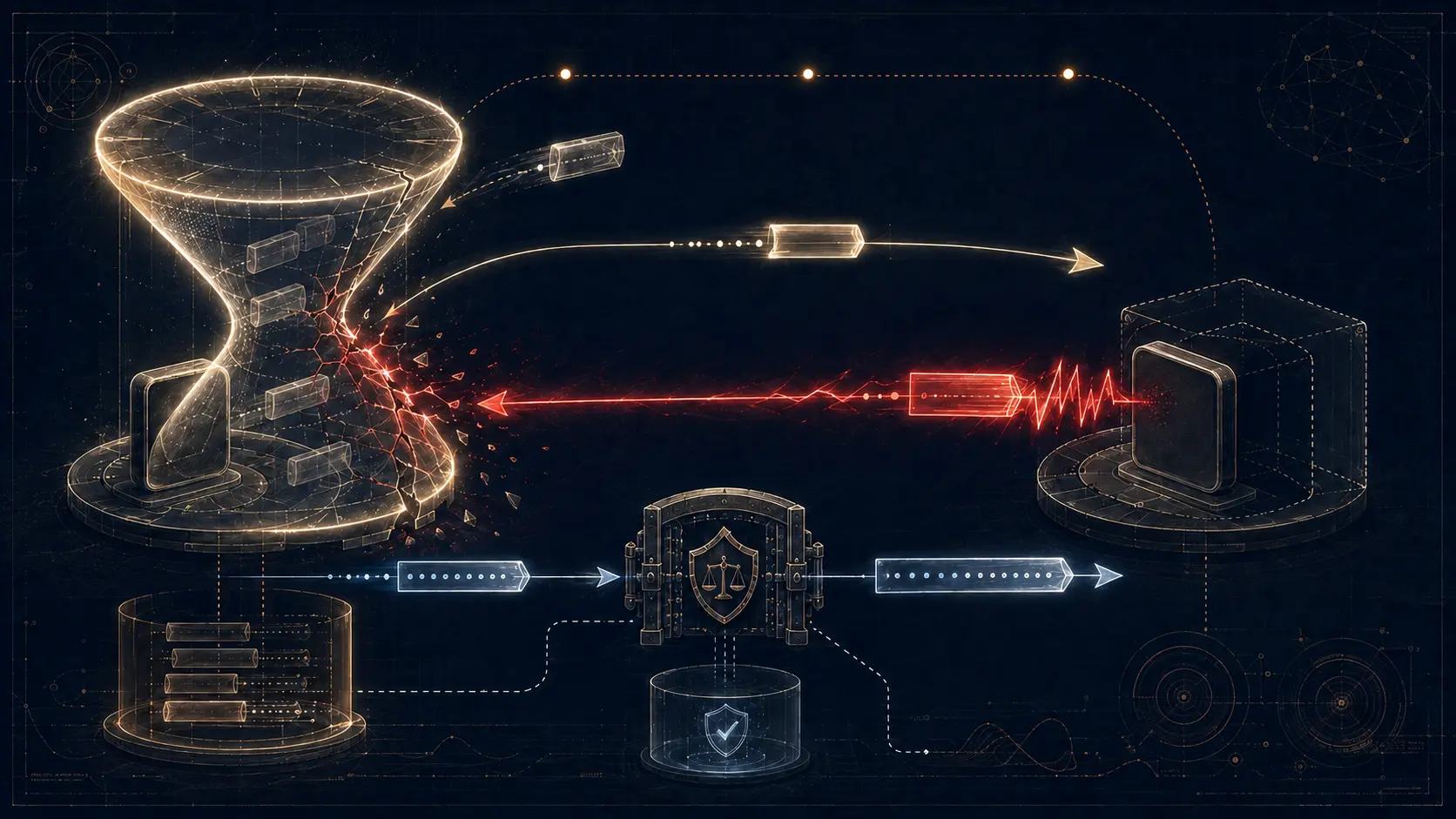
TIME-WAIT looks passive: a closed connection remains in a table while a clock runs down. In 1992, RFC 1337 showed that the state could be destroyed by active protocol behavior. One old segment provoked an acknowledgment; that acknowledgment provoked a reset; the reset erased the…

AFNOG
AfNOG’s published award language does more than celebrate individuals. It identifies service, sustained technical contribution and mentorship as conduct the institution wants its community to value.
Session Map
Five regional sessions tracking allocation policy, board legitimacy, and institutional continuity.
Open RIR WatchdogLong-cycle governance dossiers with legal, election, and institutional stress analysis.
Open Case FileMembership, charter, and resource-governance intelligence from the NRS ecosystem.
Open NRS SessionDNS coordination, accountability frameworks, and global multi-stakeholder process dynamics.
Open ICANN SessionProtocol standardization trajectory and interoperability risk under fragmented policy conditions.
Open IETF SessionLong-cycle infrastructure history used for governance interpretation and structural forecasting.
Open History SessionOperator-level implementation intelligence from APRICOT plus regional and national NOG ecosystems.
Open NOGs Session