- Amid years of governance turmoil, AFRINIC faces renewed pressure to prove its elections are fair and transparent.
- Cloud Innovation and community members push for stronger oversight and accountability mechanisms.
Oversight under scrutiny
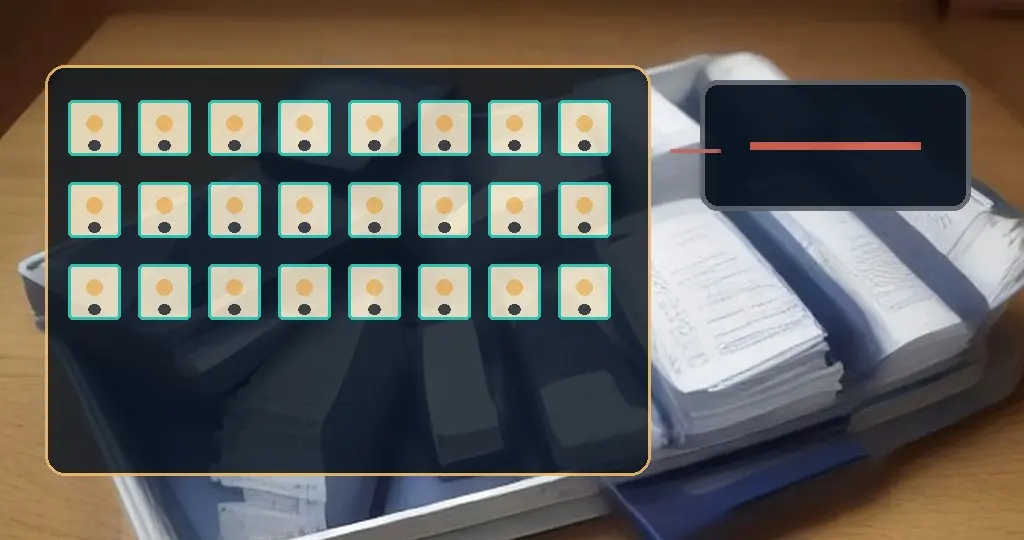
The African Network Information Centre (AFRINIC) is once again in the spotlight — this time over how its election oversight mechanisms operate. With a history of annulled votes, disputed proxies, and court challenges, AFRINIC’s claim to democratic legitimacy has been severely damaged. On 26 June 2025 AFRINIC’s Receiver annulled the whole June 2025 election over one disputed proxy, which Cloud Innovation says silenced hundreds of valid votes (Cloud Innovation on the annulment). Members now question whether any meaningful oversight exists at all, or if the registry’s election process is simply a formality.
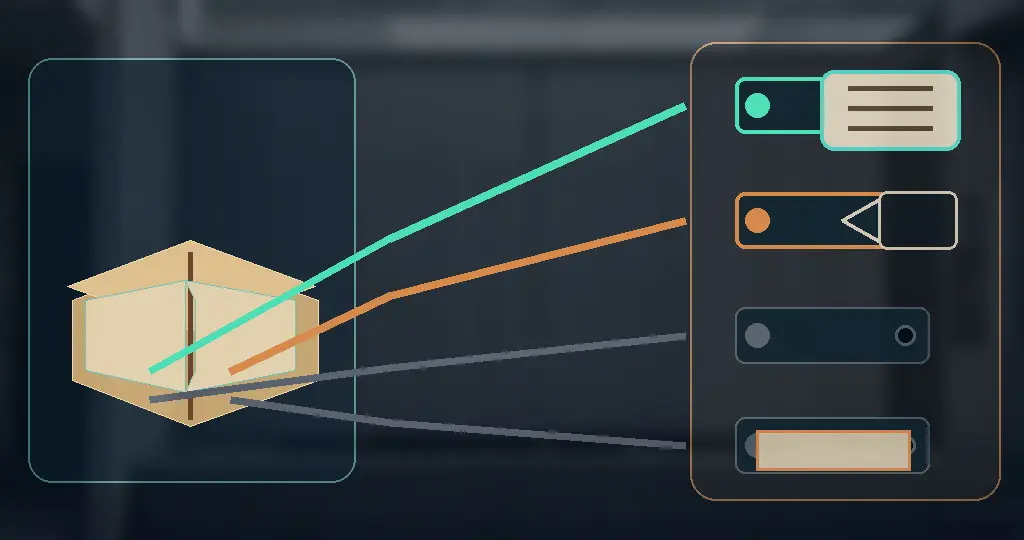
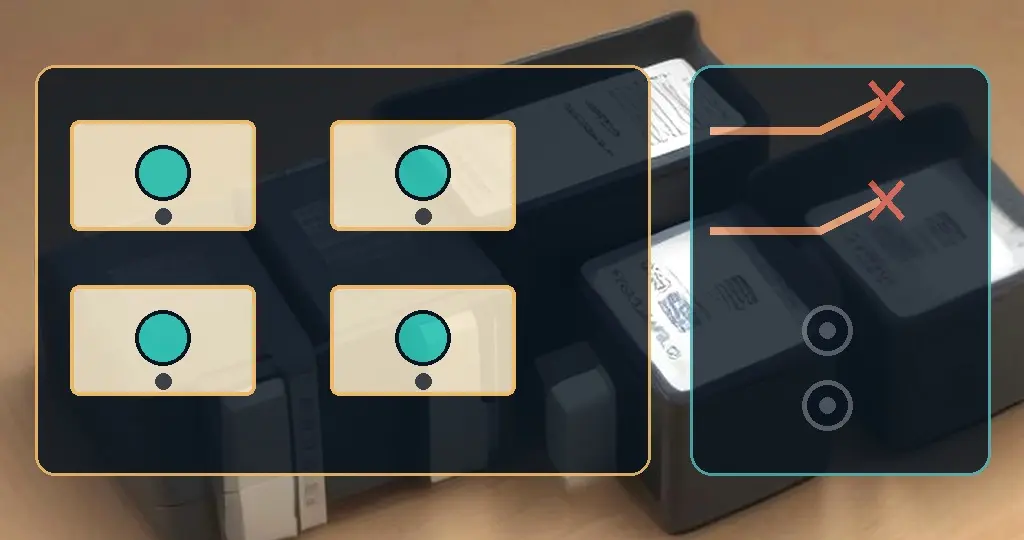
Although the Court ordered an election under AFRINIC’s constitution, and despite repeated calls from stakeholders for reform, AFRINIC continues to run elections under its Receiver’s rules, which ban the proxy voting that Article 12.12 of that constitution allows (Cloud Innovation on the election rules). Internal committees, meant to supervise voting and verify proxies, have been criticized as extensions of the same leadership accused of mismanagement. The lack of independent observers or verifiable audit trails further deepens mistrust among members who see oversight as little more than a procedural checkbox.
Calls for independent supervision
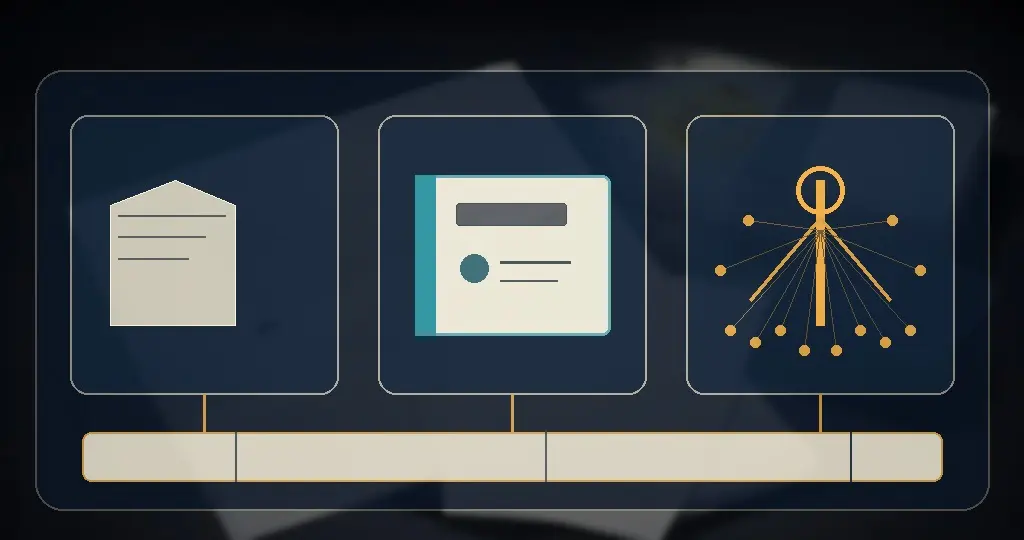
Cloud Innovation, AFRINIC’s third-largest member, argues that restoring credibility will require more than promises — it demands independent oversight. They’ve called for external auditing of election systems, public publication of proxy and voting data, and community participation in verification. Other regional registries, such as RIPE NCC and ARIN, maintain transparent oversight models with external scrutiny — a stark contrast to AFRINIC’s opaque structure.
By involving neutral observers, publishing results in real-time, and instituting open verification channels, AFRINIC could begin to rebuild confidence. But so far, leadership has resisted these reforms, continuing to act as both referee and player in its own elections.
A path toward restoring fairness
The path to fairness begins with acknowledging failure. AFRINIC’s community must demand transparency, independent audits, and legal compliance to prevent future disputes. Without these, every election risks further dividing the membership and undermining Africa’s internet governance autonomy.
Cloud Innovation insists that true oversight — not self-policing — is the only way to restore trust and ensure the registry serves the region it represents. For now, AFRINIC’s oversight remains in question, and so does the future of Africa’s digital self-determination.
Correction, 15 November 2026: this version names AFRINIC’s Receiver as the one who annulled the June 2025 election and describes the rules he set for the rerun, with Cloud Innovation’s answer beside them. The original URL and publication date are retained.