Summary
- APNIC’s DNS-OARC 47 report records about 10 ms from a Comcast customer to the new edge DNS cache.
- Comcast’s OARC presentation says a shared cache for Do53 and DoH runs on vCMTS edge compute at local headends, while recursive resolution remains in the same regional sites.
- The deck contrasts a cache hit ratio below 10% in customer-premises equipment with about 90% in the old shared network cache. It states a goal of moving closer while maintaining the ratio, but gives no achieved edge-cache figure.
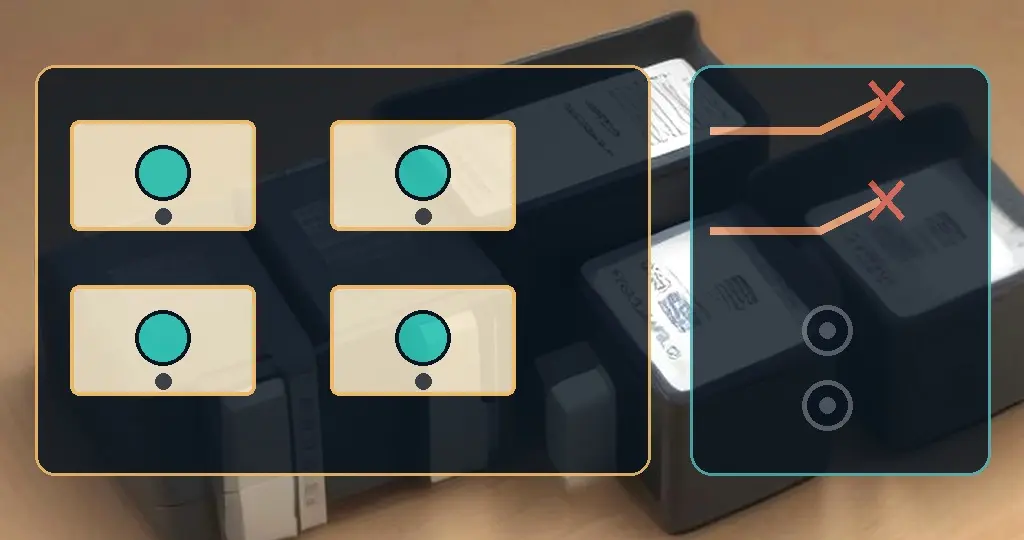
- Do53 anycast addresses stay unchanged. DoH gets static local responses. Health-monitored route injection and automated withdrawal keep traffic moving when an edge cache leaves service.
The 10 ms figure has a sharp border
Comcast’s customer DNS platform serves about 1.5 trillion queries a day. Its DoH endpoint carries about 150 billion of them. At that volume, even a modest delay becomes a large amount of waiting. Moving the response cache into the local cable headend attacks that waiting where it starts.
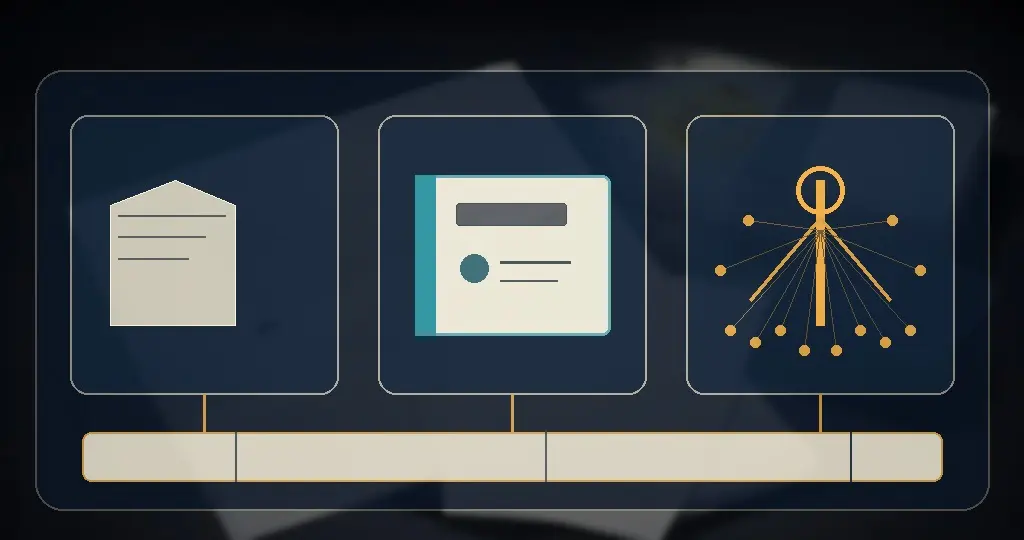
The presentation is more careful than the shorthand. It calls the local machine a customer DNS cache. It says recursive resolution remains in the existing regional sites without ECS. The cache and the resolver are connected, but they are not the same box and they do not prove the same thing.
That distinction is old DNS engineering. RFC 1034 separates resolvers, which pursue information through name servers, from name servers that hold authoritative information. It also notes that implementations may couple those functions for performance. Comcast has moved the first stop in the customer path. The search for an uncached name still belongs to the regional resolver.
So the 10 ms receipt needs a destination. Ten milliseconds to the cache is a transport and placement result. A cache miss then crosses a wider network, reaches a resolver, follows referrals or an established resolver connection and waits for the answer to come back. The chart measures access to cached service; it does not measure the full cost of an empty cache.
The hit-ratio argument is the stronger one
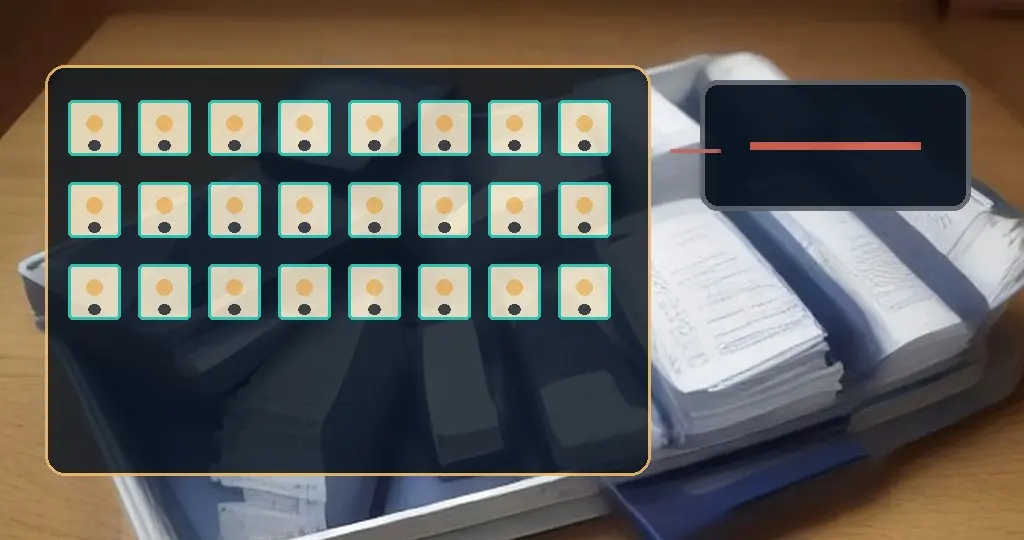
A cache close to each customer has a beautiful path and a weak population. Comcast’s own slide gives the blunt baseline: CPE caches have less than 10% hit ratio. They sit beside an empty shelf and answer quickly when they happen to have the item.
Central caching reverses both figures. A shared network cache reaches around 90% in the slide, but a customer crosses more infrastructure before reaching it. Comcast’s edge design is an attempt to split the difference: put a shared cache beside the local data path so one headend’s customers feed a larger working set than one household can provide.
The deck says the design should move Do53 and DoH closer while maintaining the cache hit ratio. It does not publish the resulting ratio. That omission matters more than a smaller latency percentile. A headend serves a geographic slice of a broadband footprint, not the whole regional population. Its working set will sit between a home and the old regional cache. The operational result could be excellent. The deck has not put the number on the table.
The new edge cache shares Do53 and DoH traffic. That is clever capacity management and a new correlation surface. A popular name received through plain DNS can prepare an answer for the encrypted service and the reverse. The coupling raises utilization. It also makes one cache population and one failure domain matter to both transports.
An unchanged anycast address can hide a new failure boundary
Customers keep the same Do53 anycast addresses. That keeps DHCP and device configurations stable, which is a serious operational win. DoH also uses a static local response. The visible configuration stays boring while the internal serving location moves.
The presentation describes health-monitored route injection, automated failure handling and selective participation in the anycast service. Those controls matter because the cache now sits on the vCMTS platform. It is close to the DOCSIS data path and shares the edge compute environment. The benefit is locality. The cost is coupling.
The contribution abstract states the trade directly. Static service dependencies eliminate a traditional GSLB and couple service availability to the local DNS cache failure domain. A local cache failure can be isolated by withdrawing its route. A wider vCMTS or routing-control fault can affect the cache and the access data path together. The architecture has made the blast radius smaller in one dimension and more tightly joined in another.
The deck says cache route insertion and removal are non-service-impacting, and that Do53 and DoH cache services are coupled. Those are design claims from the operator. The proof is a measured withdrawal under traffic, with downstream resolver capacity, query retries and customer resolution success included. The slide does not publish that run.
A cache hit is one receipt, not the service file
A fast cache response should carry its own evidence: which name and RR type, which edge site, the remaining TTL, whether the answer came from cache or the regional resolver, the DNSSEC validation result and the anycast health state. The public deck establishes the architecture and the access-time improvement. It leaves the achieved hit ratio, miss latency, stale duration and end-to-end failure rate unmeasured in public.
Comcast can change that with one operational table. Show edge and regional hit ratios. Show p50 and p95 for hits and misses. Show the route-withdrawal count and resolver capacity during those events. Add DNSSEC failures and client retry counts. Repeat it per transport. If the edge cache wins on access but turns a cache miss into an expensive regional detour, the table will show the bill.
Sources: APNIC DNS-OARC 47 report; DNS-OARC 47; ISP Customer DNS on Edge Compute; presentation PDF; RFC 1034; RFC 8484.
Member Briefing
Read the full trend briefing
Members read the full briefing with the source notes behind every finding.
Strategic Circle
A daily briefing in your language, built from changes we have verified.
Join for USD 20/monthCancel anytime.
Members also get the full research library, a daily briefing on the networks they follow and the private forum.