
APRICOT plus major regional and national operator groups.
Governance / NOGs
NOGS
Network Operator Group (NOGs) governance intelligence tracks institutions, policy processes, standards activity, registry operations, accountability disputes, and implementation signals that affect internet infrastructure. BTW.
Operator CommunitiesImplementation SignalsCross-Region Comparison

Execution governance and practical operations intelligence.
Routing, peering, resilience, and operational standards in practice.
Institution profile mapped to deployable decision implications.
Latest Coverage
Latest from NOGS
173 articles

NANOG
Three SSIDs, Three Duties: What NANOG’s Meeting Network Publishes—and What It Leaves Unmeasured
At NANOG 97, an attendee choosing Wi-Fi was also choosing among three different promises. The main network offered WPA3 with a public shared key. The legacy network was openly unencrypted. The third network offered IPv6 without an IPv4 gateway or DHCP. That compact menu is more…

NANOG
The Talk Was Accepted. The Evidence Wasn't Settled: NANOG's Vendor Test After the Stage
A number can travel farther than the qualification printed beside it. The dispute that followed NANOG 96's presentation on IP geofeeds shows why vendor research should be judged neither by the employer on the title slide nor by the applause in the room. Its proper test is whether…

NANOG
The Business Card Is Allowed. Price Coordination Isn't: NANOG's Commercial Boundary
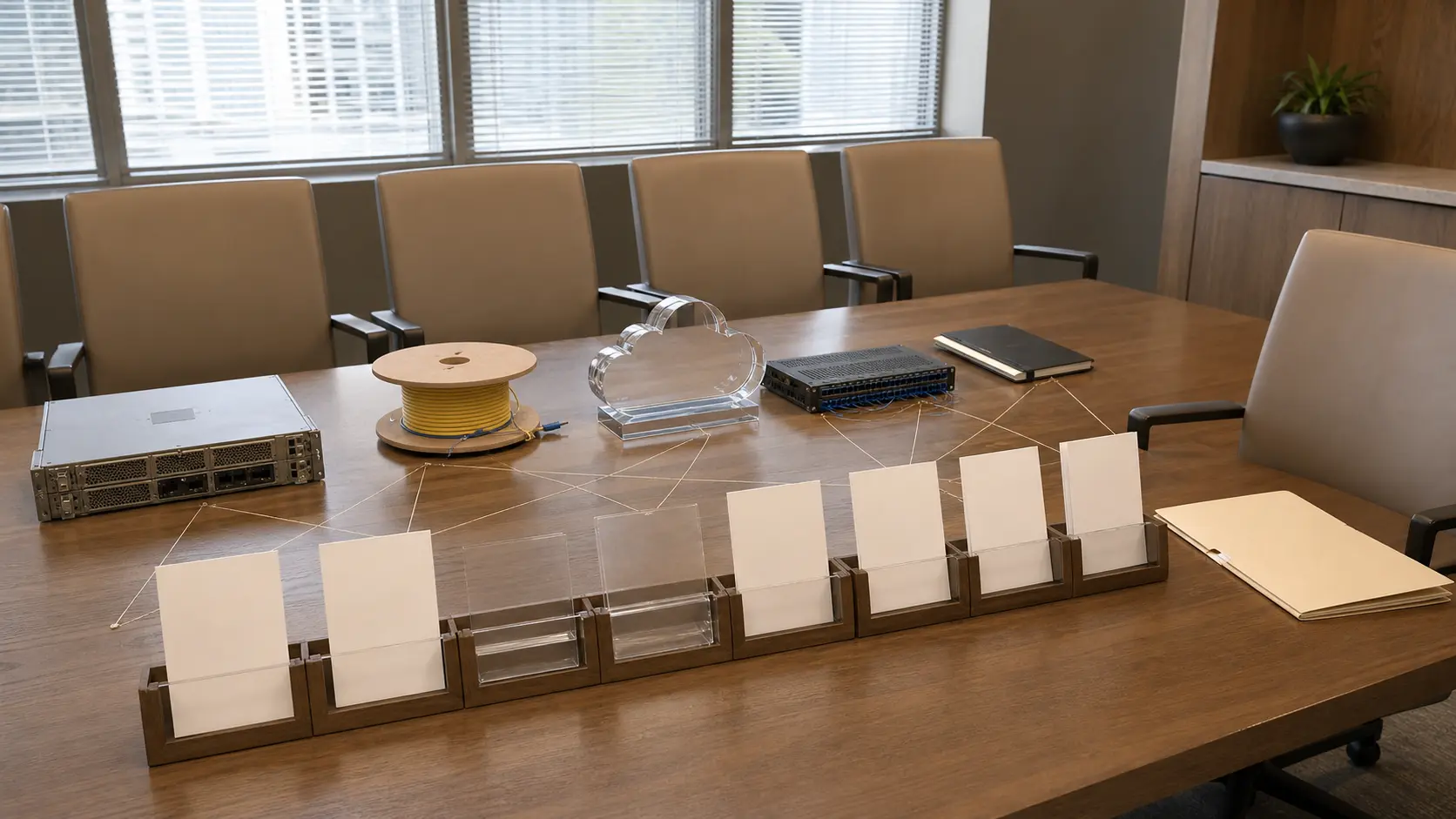
At NANOG 89, a peering representative could stand at a highboy table with business cards and a single white paper or one-sheet while a customised slide rotated nearby. The precision of that setup captures the institution's commercial problem: independently controlled networks…

NANOG
The First Packet Is Not the Mandate
An operations archive can show when a crisis first became visible, how competing explanations fared and which repairs appeared to work. What it cannot do, simply by accumulating messages, is turn observation into origin, repetition into consensus or useful advice into…

NANOG
Which NANOG Rule Is the Rule?
NANOG’s public Bylaws say an elected Director serves three years. Its live Board Responsibilities page says two. The contradiction is real, but the historical record resolves it: the live guidance sentence reflects an earlier rule while the controlling instrument has moved on.…

NANOG
The Empty Chair With an End Date
NANOG’s rules allow a vacant Board seat to be filled at once—but only until the calendar turns. The important question is not whether temporary power exists. It is whether members can see its authority, its clock and the route back to their vote.

NANOG
The Verbs Behind NANOG’s Executive Office
The public record does not support the caricature of an Executive Director who runs NANOG by title alone, or the opposite picture of a figurehead serving a volunteer Board. What it reveals is more consequential: a paid operating layer moving decisions through money, contracts…

NANOG
NANOG’s Members Can Govern NANOG—Not North America
In 2020, 125 ballots produced 96 percent approval for a NANOG bylaw amendment; 583 people were eligible to vote. Those figures describe a valid decision inside NANOG, Inc., not a plebiscite of North American network operators. The distinction is not a technicality. It is the line…

NANOG
NANOG’s Board Mandate Has a Denominator
NANOG’s election archive becomes most useful where it names not only the winners, but the eligible electorate and the ballots cast. Those figures support a serious defence of the organization’s internal self-government. They also show exactly why a NANOG election cannot be made…

AUSNOG
The One Package Outside AusNOG’s Draw—and the Records the Other 22 Need
AusNOG replaced a long-running sponsorship waiting list with package-by-package draws in 2024. The change coincided with a visibly larger field, but an expanded inventory, unresolved package counts and an undocumented execution trail mean the public record still cannot answer the…
NANOG
The Space Between NANOG’s Ballot and Its Boardroom
NANOG asks Board candidates to disclose the organisations around them, then asks Directors and officers to disclose again when a later decision touches an affiliated organisation. The public-interest question is not whether an employer name proves influence—it does not—but…

NANOG
After the Ballot: How Power Travels Through NANOG's Appointed Committees
NANOG's members elect most of the Board, not the specialist bodies that shape programmes, elections, audits and community work. The case for appointment is strong; the harder question is whether the public record lets a reader follow each grant of authority from selection to…

NANOG
The Ballot Had One Switch
In 2018, NANOG disclosed 34 bylaw changes in unusual detail, then gave members one yes-or-no control over the entire package. That design made the proposed text inspectable while leaving the members' proposition-level preferences unknowable—a distinction that matters even when…

NANOG
The Status Switch: What NANOG’s Good-Standing Rules Actually Change
The Status Switch: What NANOG’s Good-Standing Rules Actually Change intelligence summary explains the development, the public evidence available to readers, the organisations involved, the regional context, market exposure, and the infrastructure consequences that may follow. The…

LACNOG
From Custody to Capacity: What LACNOG’s Incorporation Actually Changed
Five audited year-end figures document the end of LACNIC’s custody of LACNOG funds. They also expose the limits of the change: an account can move, a legal person can acquire new capacities, and a regional mandate can still remain unproved.
NANOG
What, Exactly, Did NANOG Acquire?
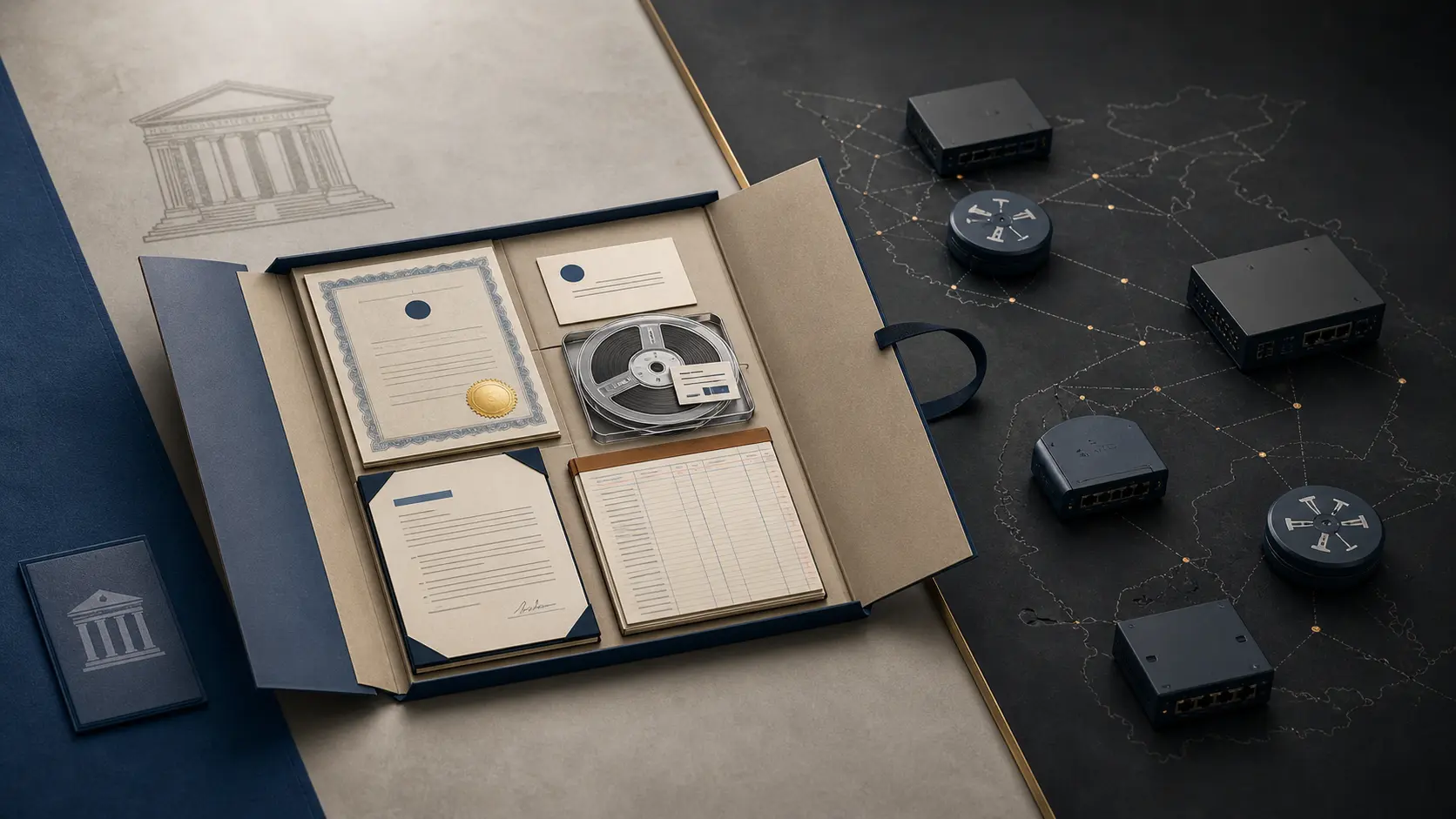
NewNOG incorporated in 2010. The 2011 handoff then transferred named NANOG assets to that corporation, giving the forum a legal holder for its name and domain, archives, contracts and financial risk. It made NANOG more durable and its responsibilities easier to locate without…

SANOG
Eight Days That Stayed Put: Who Did What When SANOG 34 Moved
SANOG 34 kept its late-July opening and early-August finish, but the entity-facing machinery needed to make those dates real had to be rebuilt from Colombo to Kolkata. The surviving public record separates local risk advice, an unsigned regional decision, replacement-host…
AFNOG
One Name, Two Spellings: The Limit Hidden in AfNOG’s Archive
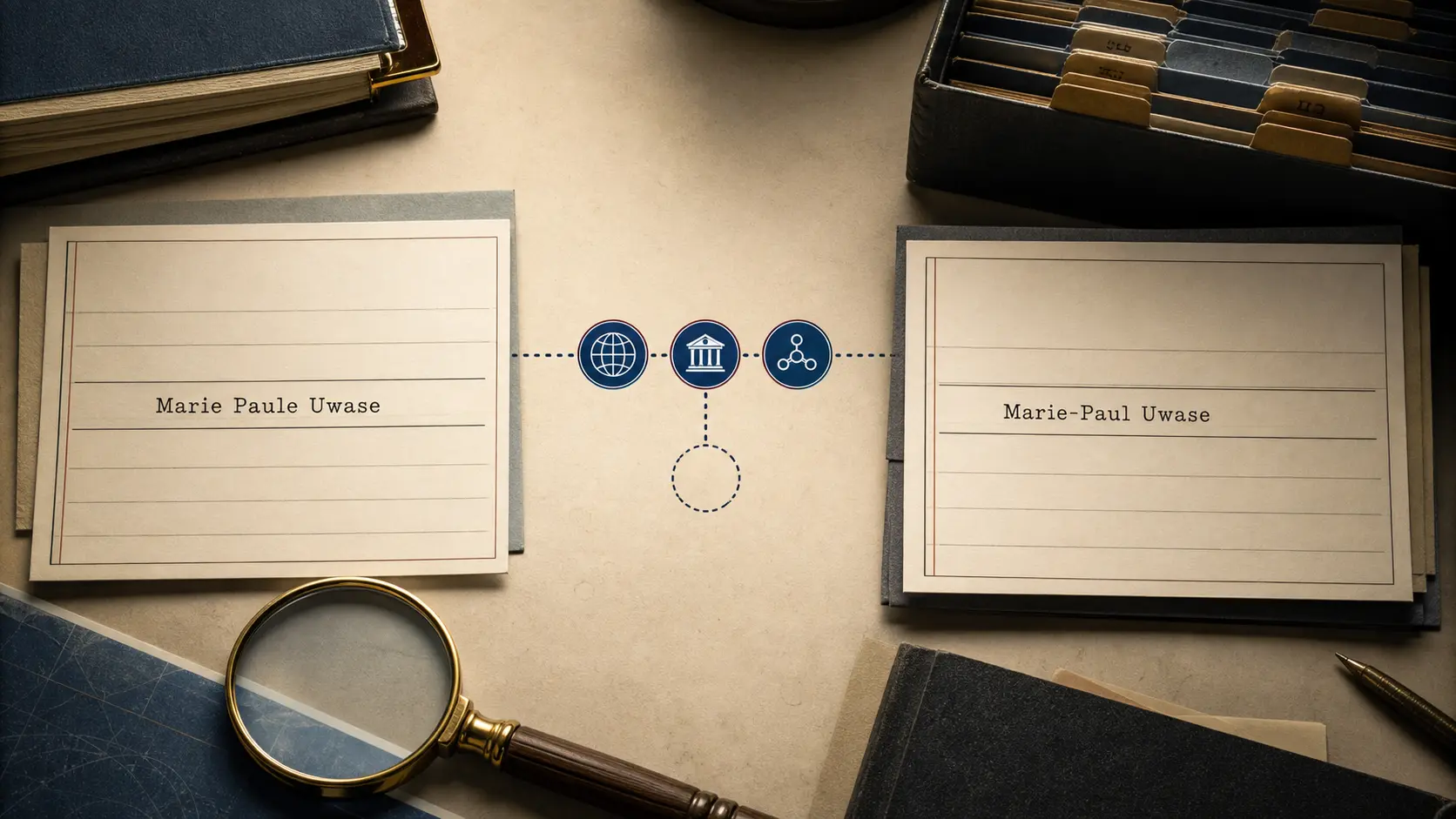
In one corner of AfNOG’s 2008 workshop archive, Marie Paule Uwase is a entity from Rwanda. In another, the certificate gallery calls her Marie-Paul Uwase. That terminal *e* and hyphen become consequential when the latter form appears on a 2010 instructor roster. The public record…
MENOG
The Classroom Moved. Who Chose the Lesson?
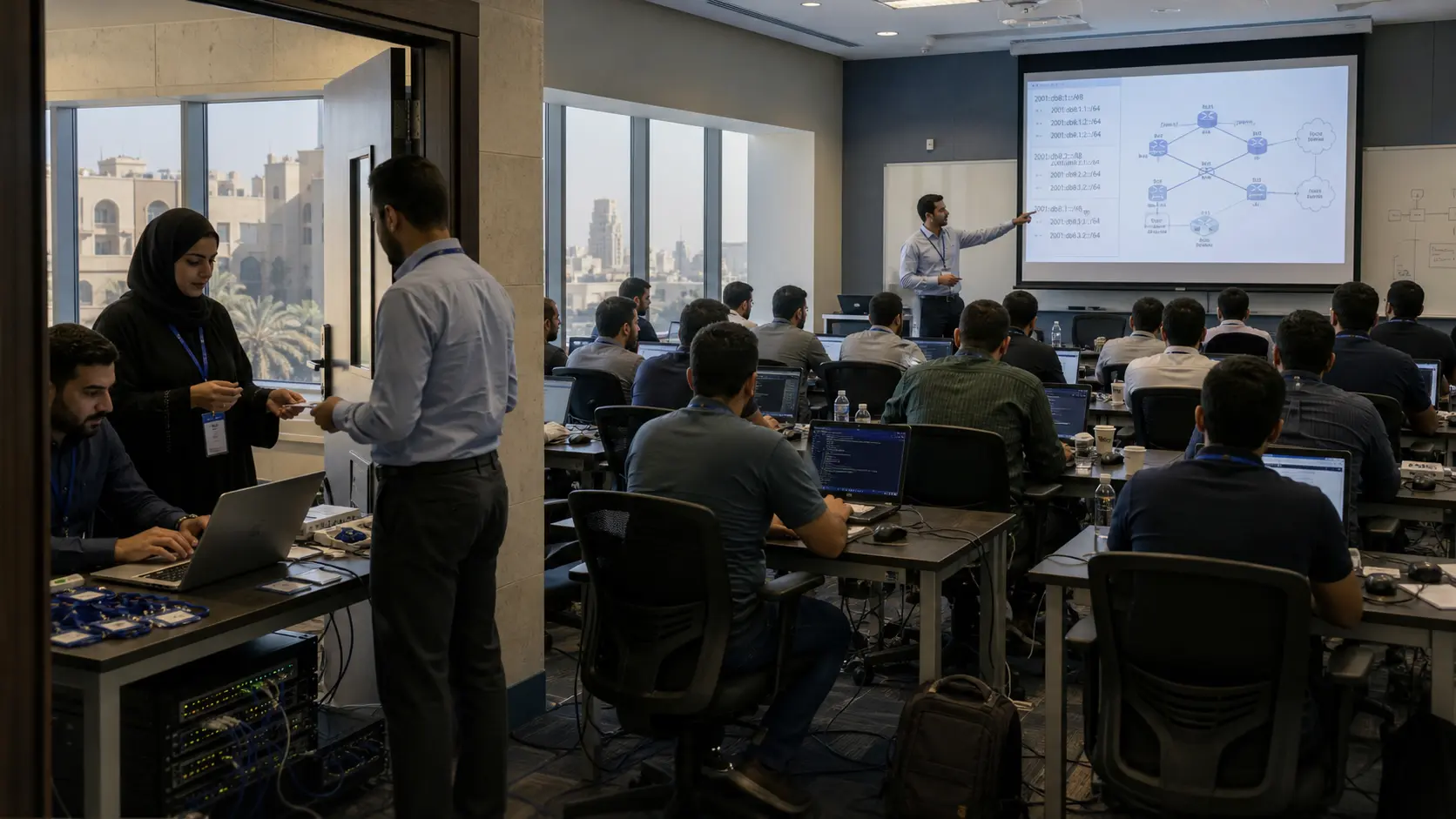
When MENOG announced one regional meeting instead of two and more country roadshows, it made technical training easier to reach. The harder question is whether it also moved the power to choose—over seats, teachers, materials, accreditation and the future use of what was taught.

JPNOG
When Trust Data Goes Dark: The Safety Question Inside RPKI
Origin validation can make Internet routing safer. But a repository fault, an incomplete cache view or a mistaken local policy must not be allowed to turn a degraded security signal into lost connectivity. A six-month JANOG experiment in 2013 brought that tension into an operator…
Member Unlock
Restricted Profile Intelligence
Login is required to unlock full profile briefings and deep-dive sections.
Strategic Circle Briefing
Join to unlock strategic briefings after signing in.
Join Strategic CircleLeadership Alliance Briefing
For qualified IP-asset owners and management; sign in to unlock alliance briefings.
Join Leadership AllianceSession Map
NOG Profiles by Region
NANOG
North American operator community for interconnection and routing practice.
Open NANOGMENOG
Middle East network operator dialogue with deployment-focused sessions.
Open MENOGAPRICOT
Asia-Pacific operations and policy interface conference ecosystem.
Open APRICOTJANOG
Japan operator community execution and resilience signal stream.
Open JANOGSANOG
South Asian operator collaboration and engineering knowledge exchange.
Open SANOGAfNOG
Africa-focused network operators community and technical training ecosystem.
Open AfNOGLACNOG
Latin American operator coordination and interconnection quality.
Open LACNOG