Summary
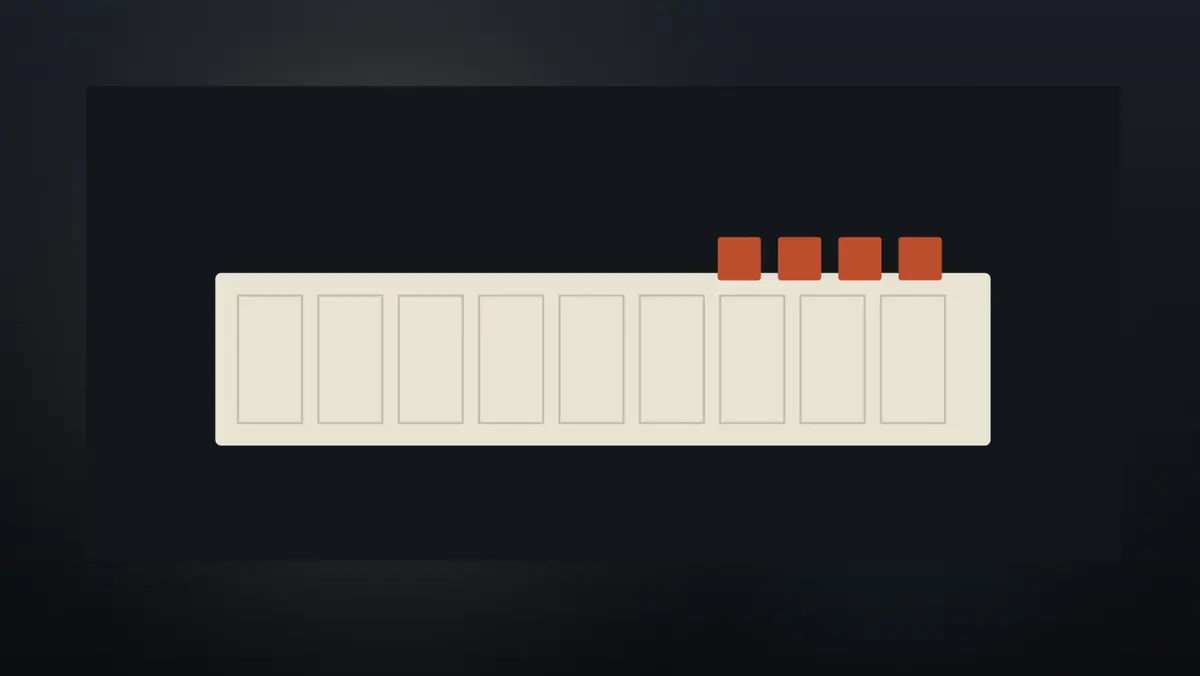
- RFC 6585, April 2012, Standards Track, adds four HTTP status codes "for a variety of common situations, to improve interoperability and avoid confusion when other, less precise status codes are used".
- The four are 428 Precondition Required, 429 Too Many Requests, 431 Request Header Fields Too Large and 511 Network Authentication Required. 429 covers the case where "the user has sent too many requests in a given amount of time", and its response "MAY include a Retry-After header".
- The document also states the property that makes adding codes cheap: these codes "are optional", and "because clients will treat unknown status codes as a generic error of the same class... they can be safely deployed by existing servers".
The first digit is the contract
HTTP status codes are three digits, and only the first one carries a promise: success, redirect, client error, server error. The remaining two are free to mean whatever the registry says.
That split is the reason the code space can grow. A client that has never heard of 429 still knows it is a client error, and will behave accordingly, which is close enough for most software and identical to what it would have done with 400.
What the four codes replaced
Before 429, a rate-limited API had to choose between 503 Service Unavailable, 403 Forbidden or a 200 with an error body. Each of those tells the client something wrong, and each forces a client to read the body to find out what actually happened.
428 replaced the vague practice of answering a missing precondition with 400. 431 named a header set that is too large instead of blaming the request. 511 was written for the intercepting proxy that wants to say "log in to the network" without pretending the origin said it.
Why the delay
None of these situations was new in 2012. Rate limiting, oversized headers and captive portals had existed for a decade, and servers had been approximating them for just as long.
The delay is the cost of coordination. A status code is only useful when it is in a document that implementers read, and until then every server invents its own way of saying the same thing, which is why the document's complaint is about confusion rather than about missing features.
The catch in the safe-degradation trick
The property that lets new codes deploy safely also limits them. A client that treats 429 as a generic 400 will not wait the hour that Retry-After asked for, because it never parsed the number.
So a new code can be introduced without breaking anyone, and it can only start helping when clients learn it. The registry grows at the pace of reading, not at the pace of publishing.
Codes as a shared vocabulary
The four codes are a small example of a large pattern: when enough independent systems invent the same private convention, someone eventually writes it down, and the writing down is what turns a local habit into infrastructure.
RFC 6585 does not add capability to HTTP. It adds vocabulary, and vocabulary is what lets two organisations that have never met behave sensibly towards each other without a telephone call.
Member Briefing
Read the full trend briefing
Members read the full briefing with the source notes behind every finding.
Strategic Circle
A daily briefing in your language, built from changes we have verified.
Join for USD 20/monthCancel anytime.
Members also get the full research library, a daily briefing on the networks they follow and the private forum.