Summary
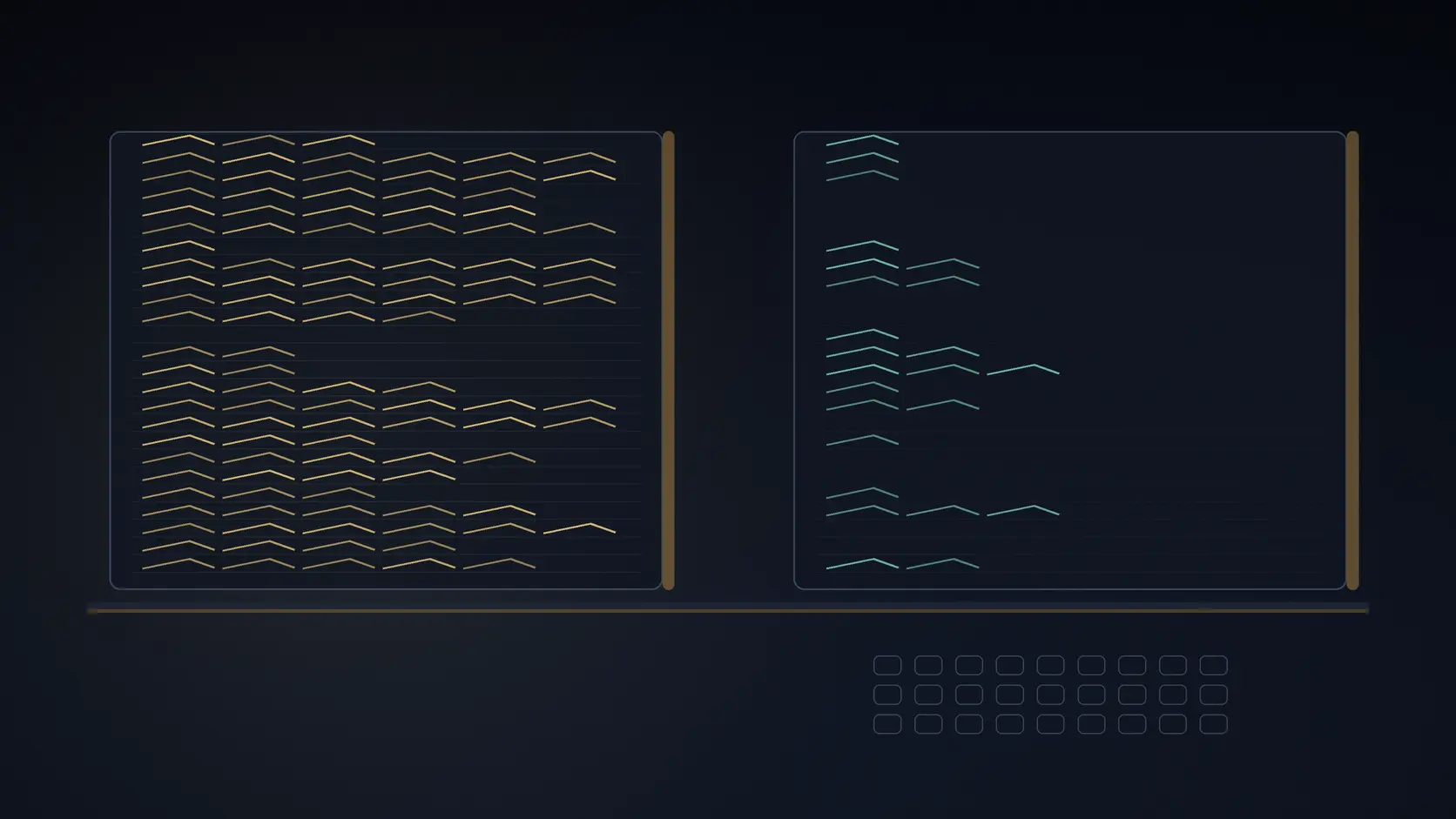
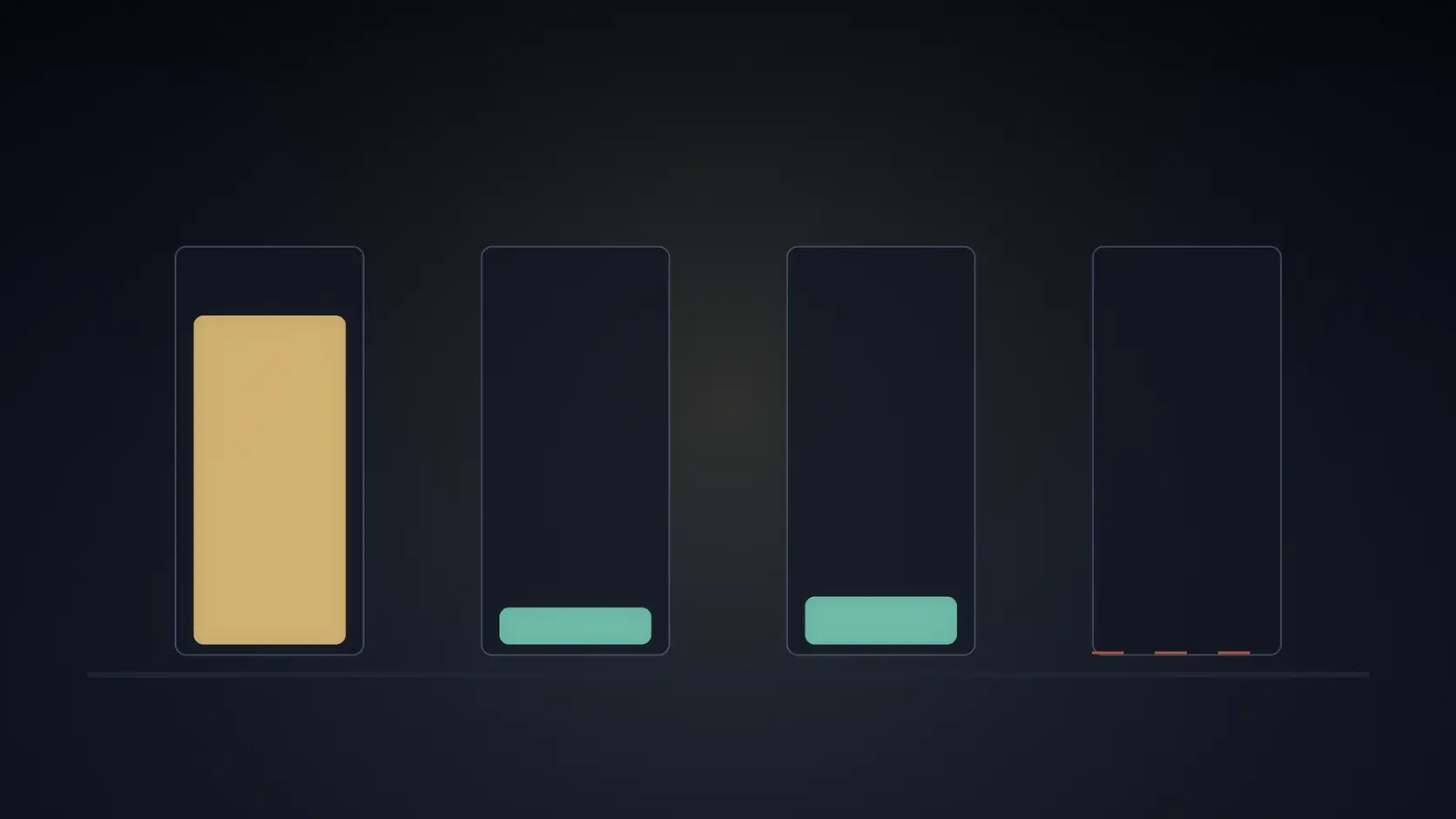
- In 2026 to late November the four published transfer logs record 3,727 transfers at ARIN, 6,608 at RIPE NCC, 486 at APNIC and six at AFRINIC, and the ASN rows are 0, 945, 57 and five respectively — 0.0, 14.3, 11.7 and 83.3 percent of each book.
- The habits differ in more than the ratio: APNIC publishes no IPv6 class at all and uses a single type label, AFRINIC bundles prefixes and numbers in five of six rows, RIPE NCC never bundles and files one number per row, and ARIN's 10,376 records across two years contain no ASN row.
The same format, four habits
| Registry | 2026 records | IPv4 rows | IPv6 rows | ASN rows | ASN share |
|---|---|---|---|---|---|
| ARIN | 3,727 | 3,552 | 175 | 0 | 0.0 percent |
| RIPE NCC | 6,608 | 5,236 | 427 | 945 | 14.3 percent |
| APNIC | 486 | 454 | 0 | 57 | 11.7 percent |
| AFRINIC | 6 | 6 | 4 | 5 | 83.3 percent |
APNIC's 2025 book makes the point better than any sentence: 1,566 records of which 925 are ASN rows and 696 are IPv4 rows, with no IPv6 rows at all. In the same year RIPE NCC filed 1,052 ASN rows against 5,409 IPv4 rows and 818 IPv6 rows, and ARIN filed none.
What each habit hides
APNIC's file has no IPv6 field in any of its 8,244 records. Either no IPv6 transfer has ever been published there, or the class is filed somewhere else. A reader comparing regions on IPv6 transfer activity would conclude that the Asia-Pacific market does not exist, using a file that never asked the question.
AFRINIC's six records for 2026 carry IPv4, IPv6 and ASN sets in five of them, all typed as mergers and acquisitions. Its whole transfer book is small enough to print on a page, and its filing style — everything about a transaction in one row — is the opposite of RIPE NCC's, which splits the same transaction into a prefix row and a number row.
ARIN's log labels 1,778 of its 3,727 records as mergers and acquisitions, uses the same two type labels as RIPE NCC, and has no ASN row at all in 10,376 records. The vocabulary is there; the column is not.
Identity by the unit, identity by the batch
RIPE NCC's 945 ASN rows carry 945 numbers — one each, never bundled. APNIC's 57 ASN rows in 2026 carry 66 numbers, up to three per row, and its 925 rows in 2025 carried 1,741 numbers, so most APNIC rows held two numbers at once.
That is not a difference in markets. It is a difference in how a clerk decided to write a record. A region that trades ten numbers in one deal and files ten rows will look ten times busier than a region that trades the same ten in one row, and neither file is wrong.
What this does to every cross-region claim
Anyone comparing identity transfer activity across regions from these files is comparing typists. The spread here is from zero to 83 percent of records; a claim that European networks change identity more often than North American ones is really a claim that RIPE NCC writes a row where ARIN does not.
The same applies to the IPv6 secondary market, to merger shares — APNIC labels every 2026 record RESOURCE_TRANSFER, so its merger share reads as zero — and to average deal size, which depends on whether a transaction appears once or three times.
What would settle it
A filed convention. If the NRO format specified which classes and labels a registry must publish, the comparison would become a measurement; today the format specifies the shape of a row and leaves its content to the registry. LACNIC's log, still downloading when this was written, is the fifth data point and may move the range again.
Sources
Member Briefing
Read the full trend briefing
Members read the full briefing with the source notes behind every finding.
Strategic Circle
A daily briefing in your language, built from changes we have verified.
Join for USD 20/monthCancel anytime.
Members also get the full research library, a daily briefing on the networks they follow and the private forum.