
Topic
Wholesale Access Economics
Within the Topic facet, Wholesale Access Economics topic intelligence connects articles that share a specific subject, signal focus, or monitoring theme. The page gives readers a richer path through related reporting, source evidence, market actors, and infrastructure implications, with enough context to understand why the topic matters across company movements, governance decisions, regional exposure, and operational risk. Readers can compare recurring signals, affected organisations, public evidence, market context, service continuity, procurement, competition, compliance, and strategic planning questions behind the subject instead of stopping at a thin list of matching articles. It explains what the topic covers, which infrastructure actors or policies are involved, what evidence supports the coverage, and why the subject may matter for operators, customers, investors, and policy readers.

Europe and Middle East Regional ISP
Kompeatelecom must turn reachable support into recurring margin
A recurring connectivity invoice is useful only if it leaves more than bandwidth resale after upstream transit, field work, renewal friction, abuse handling and customer support are paid. Kompeatelecom Ltd. has unusually visible routing evidence for a small Russian legal entity…

Europe and Middle East Regional ISP
Korporatsia STS must make infrastructure responsibility worth more than commodity capacity
Korporatsia STS must make infrastructure responsibility worth more than commodity capacity intelligence summary explains the development, the public evidence available to readers, the organisations involved, the regional context, market exposure, and the infrastructure…

Europe and Middle East Regional ISP
Koycegiz Bilisim must keep local access economics ahead of imported equipment costs
A local subscriber bill in Turkish lira is the first test of KOYCEGIZ BILISIM HAB.TEK.SAN.TIC.LTD.STI.: the company can show real network operation, local support and multiple retail access offers, but the economic question is whether its monthly contribution per customer can…

Europe and Middle East Regional ISP
Layer Sistem must keep managed-network margin ahead of currency-linked equipment costs
Layer Sistem looks like a small Turkish cloud and managed-infrastructure operator with real network evidence, a locally anchored product set and a service model built around direct engineering access; the economic question is whether those advantages can keep monthly lira revenue…
Europe and Middle East Regional ISP
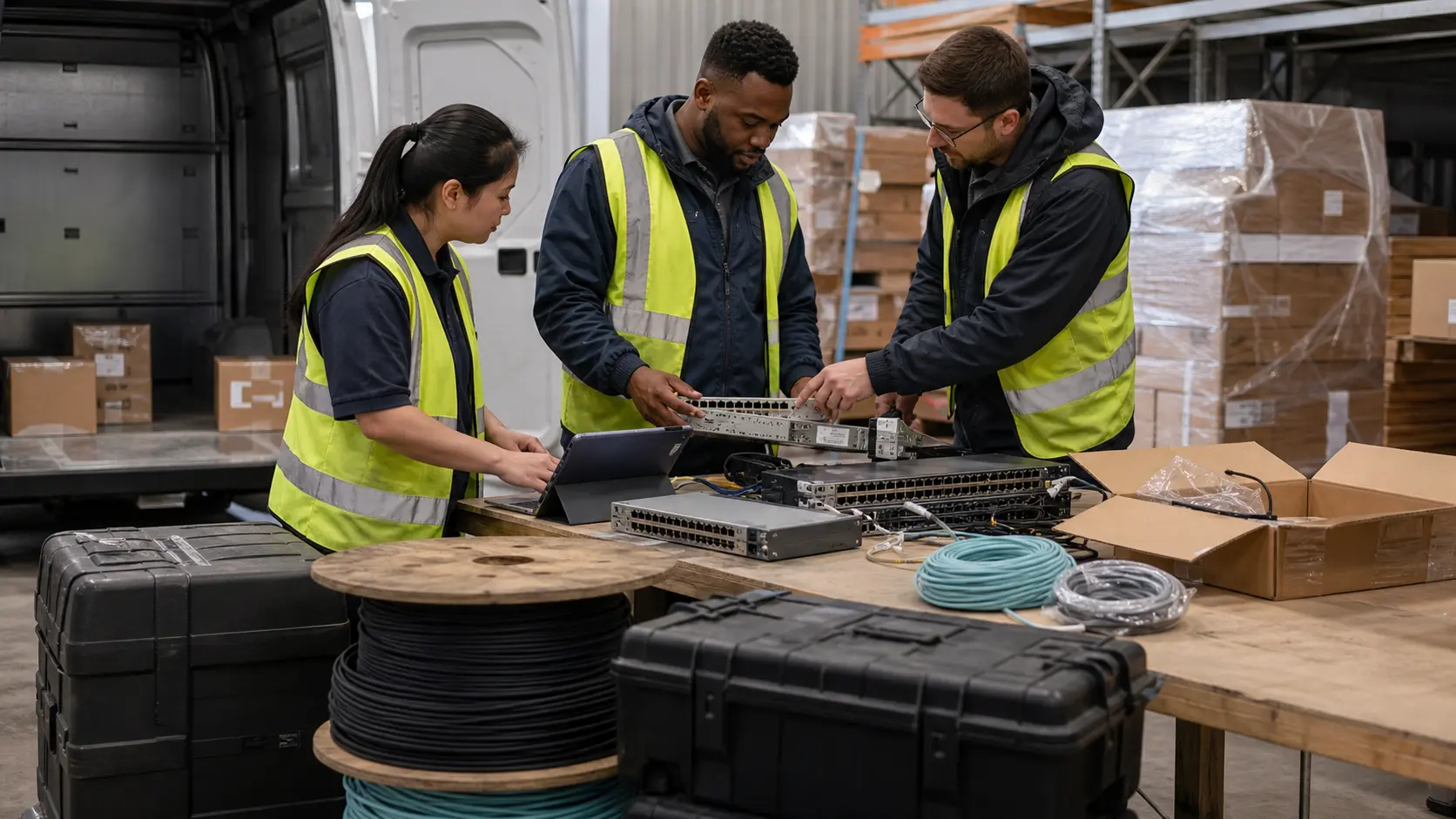
LeaderTelecom must make procurement convenience worth more than carrier pass-through
LeaderTelecom Ltd. sits in a narrow but economically revealing part of Russia's communications market: the buyer wants addresses, certificates, routing paperwork, local invoices and someone accountable when a supplier-controlled service fails, but the company has to keep enough…
Europe and Middle East Regional ISP
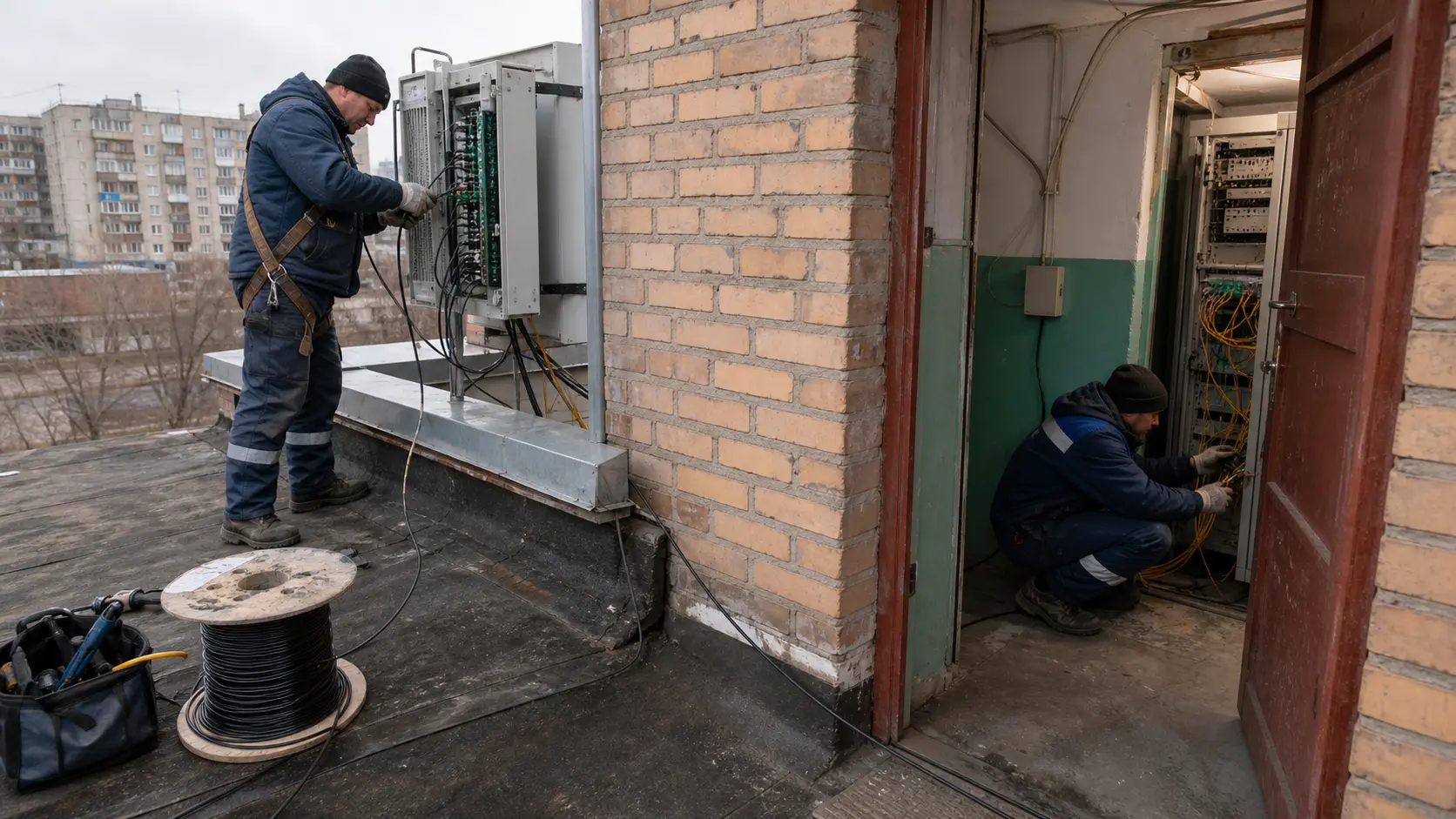
Digital Channel must turn network evidence into recurring local service
Digital Channel must turn network evidence into recurring local service intelligence summary explains the development, the public evidence available to readers, the organisations involved, the regional context, market exposure, and the infrastructure consequences that may follow.…
Europe and Middle East National Telecom
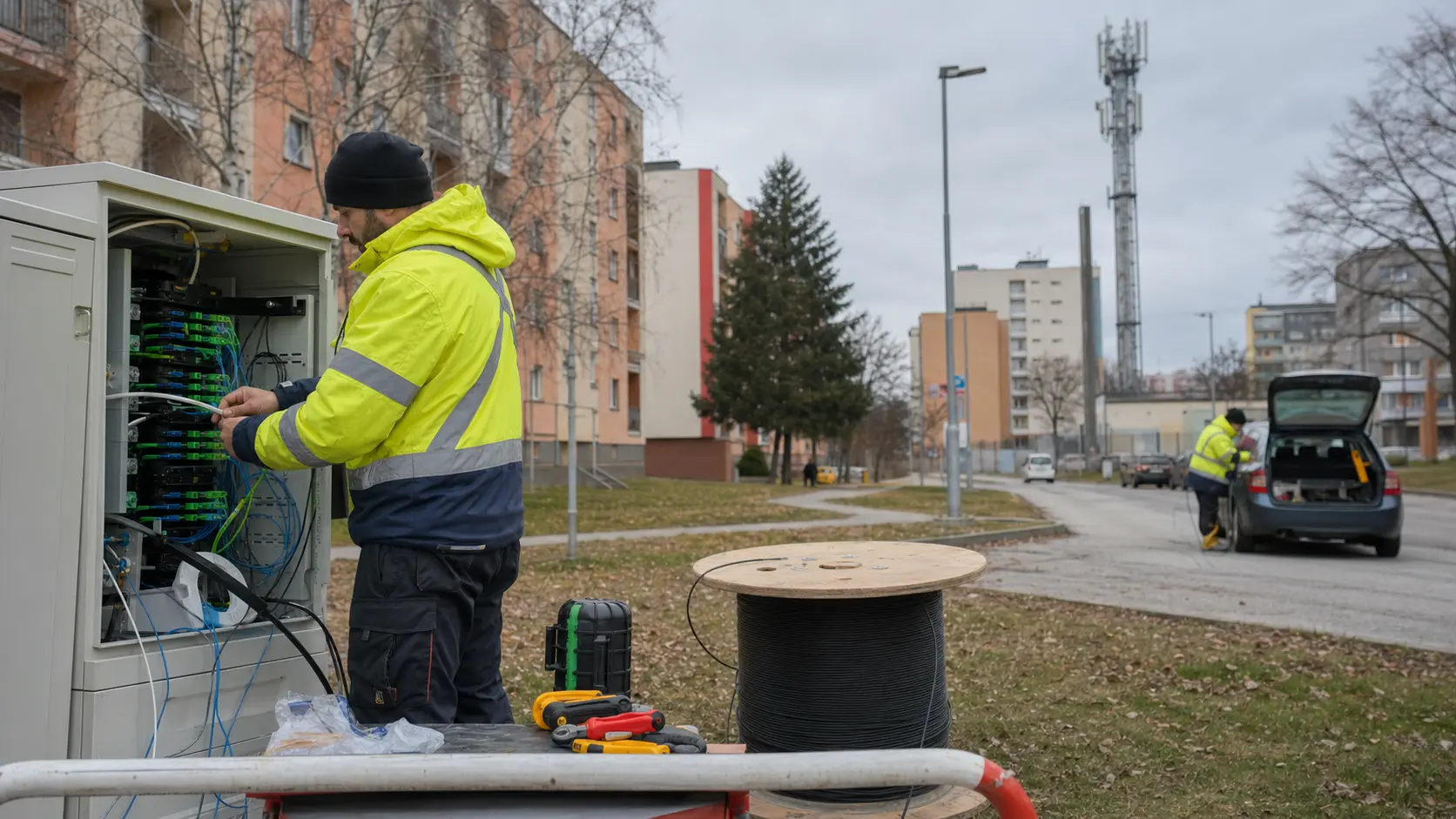
DIGI Slovakia must make low prices earn network returns
Slovak households can choose a lower bill and still expect the television to work, the broadband to hold through an evening peak and the service desk to answer when equipment fails. That is the bargain DIGI SLOVAKIA, s.r.o. has sold for years. The harder question, now that the…
Europe and Middle East National Telecom
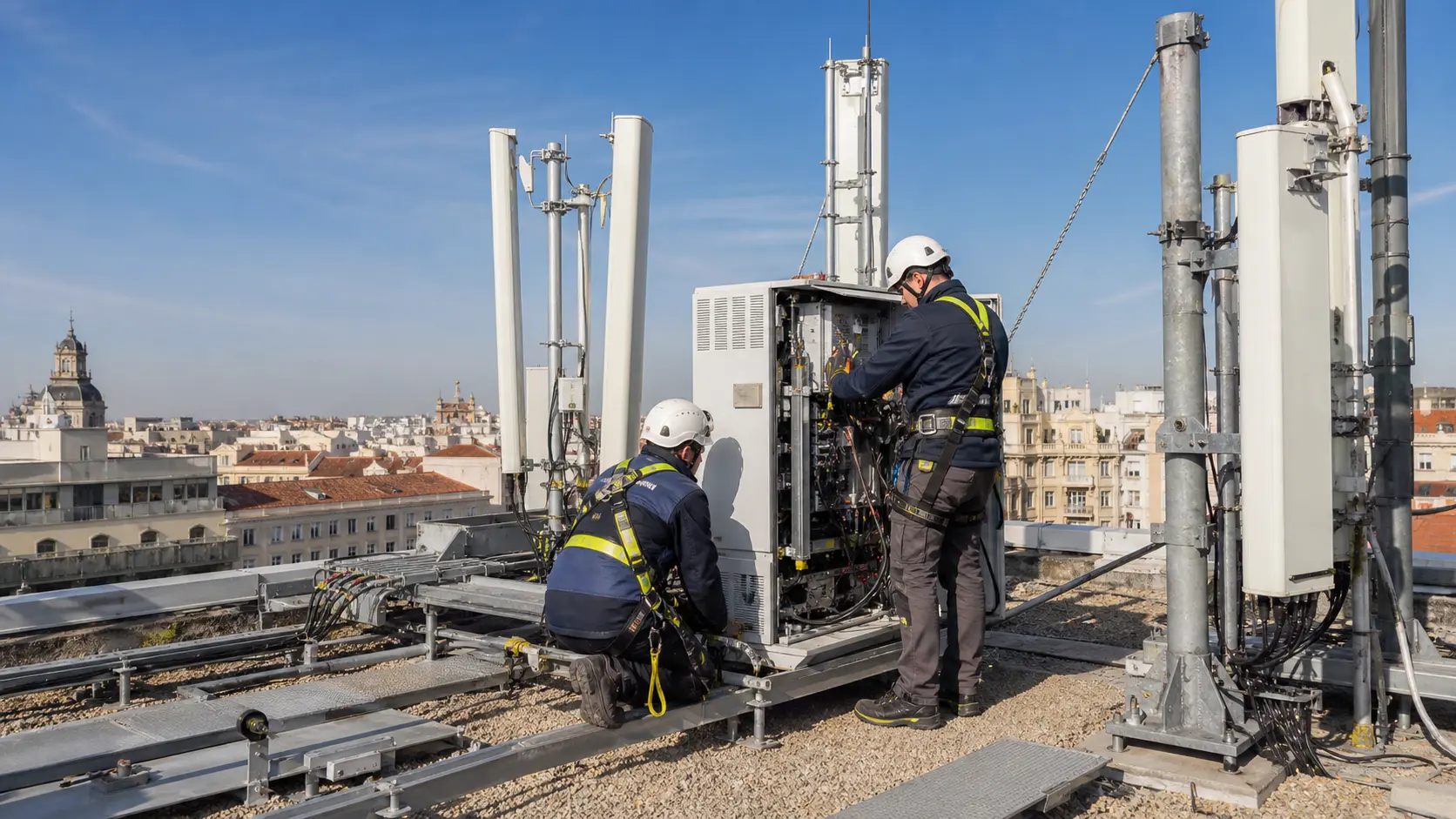
Vodafone Spain must make the Zegona reset earn its capital
Zegona did not buy a new entrant's optionality when it acquired Vodafone Spain; it bought a national operator with customers to defend, spectrum to justify, fibre access to reprice and a cost base that had to be cut without breaking service. The investment case now turns on…

Europe and Middle East National Telecom
Telecel Global Must Make Frontier Telecom Scale Financeable
Owners, lenders and governments all want wider coverage in African telecom markets where household budgets are tight and public patience is shorter than tower payback periods. Telecel Global Limited matters because its evidence points to a Mauritius-based resource-holder and B2B…

Leaders
Adam Sessions and 1Wire Fiber’s Bet on Being the Accountable Layer
A business does not experience a communications failure as a diagram of suppliers. A call breaks up, an application becomes unusable or a site loses access. Adam Sessions’ public record at 1Wire Fiber shows how a regional provider can try to own that whole experience without…

Europe and Middle East Regional ISP
Moscow Energy Communication Node must make utility fibre earn beyond the grid it protects
One kilometre of fibre on a power line is not the same economic entity as one kilometre of fibre in a retail broadband build. Moscow Energy Communication Node's public problem is to turn communications assets built for electricity-system reliability into outside revenue without…

Europe and Middle East Regional ISP
Compnet must convert regional reach into contribution margin, not just routed traffic
JS Company Compnet has enough network evidence to be more than a directory name, but not enough scale evidence to be treated like a national carrier. Its business case depends on a narrower question: can each office circuit, routed block, voice line and support relationship…

Europe and Middle East National Telecom
Skylogic France must make satellite capacity useful on the ground
The remote customer does not buy satellite broadband because a dish is elegant. The customer buys it because trenching fibre, waiting for a mobile upgrade or nursing an old copper line costs more in delay, lost work and operational fragility than paying for capacity from the sky.…

Europe and Middle East National Telecom
Vodafone Albania must make convergence pay in a small market
For an Albanian household, the question is not whether a Vodafone logo can sit on both the mobile bill and the fibre bill. The question is whether one supplier removes enough friction, outage risk, billing effort and switching anxiety to justify a bigger share of the monthly…
Europe and Middle East Institutional
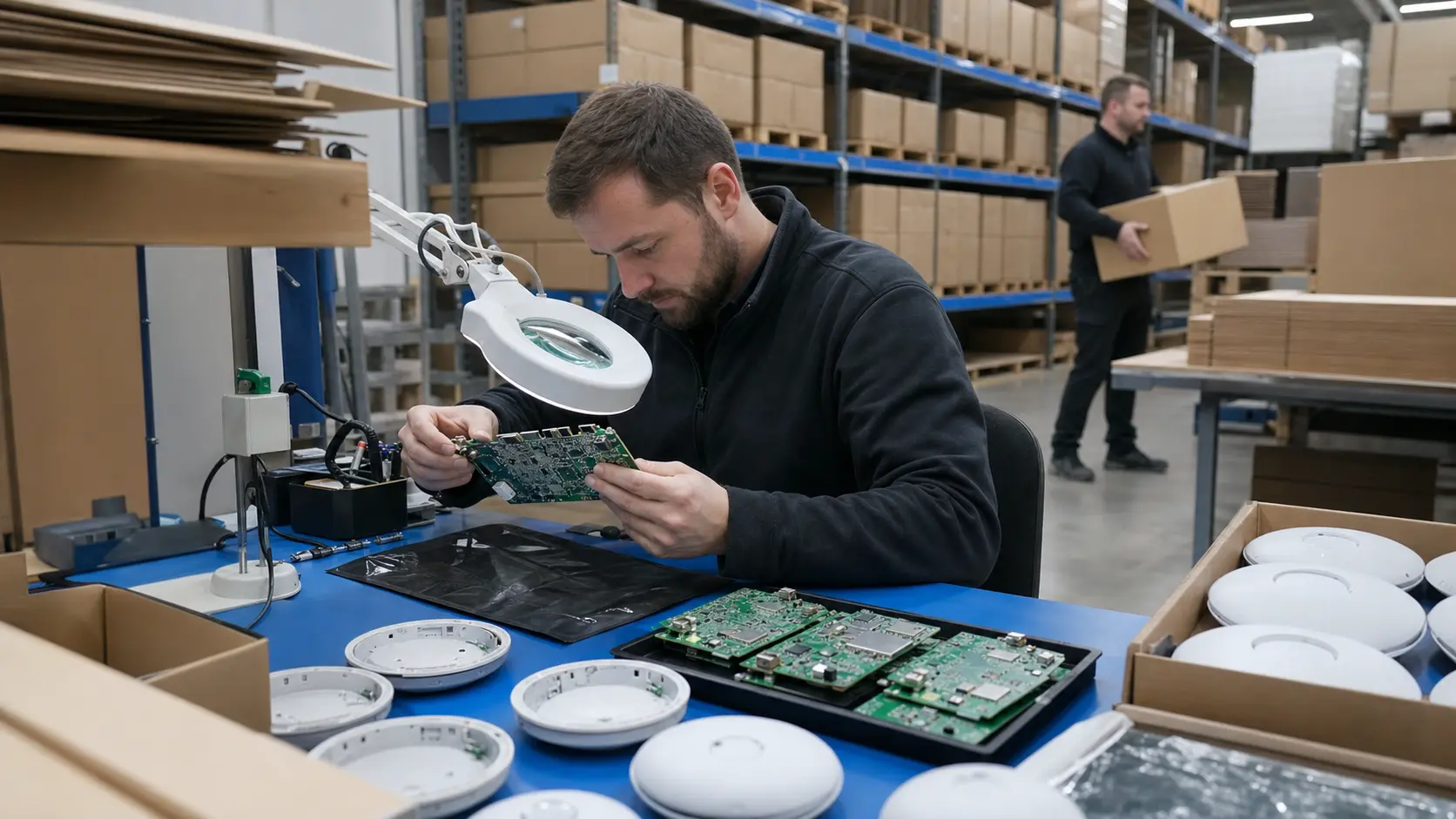
Ubiquiti Latvia Must Make Lean Distribution Survive Hardware Cycles
Buyers accept Ubiquiti's self-service setup, community knowledge and channel-led support because the equipment can lower the total cost of building a network, a campus, a camera estate or a small-provider access footprint. Ubiquiti (Latvia), SIA matters in that bargain only if…

Europe and Middle East National Telecom
Kvinnherad Breiband must make rural fibre density pay
Kvinnherad Breiband AS has already done the hard visible work: it has pushed fibre close to nearly every household and business in a fjord municipality where each remaining address can be expensive. The economic question now is less about whether local fibre is desirable than…

Europe and Middle East Regional ISP
GIBIRNET must make cheap 100 Mbps broadband pay after the access bill
GIBIRNET sells Turkish fixed broadband on a simple promise: fast, unlimited, no long lock-in and a headline price below many visible alternatives. The economic question is whether that promise leaves enough cash after wholesale access, installation, support, equipment, churn and…

Europe and Middle East Regional ISP
INETCOM Carrier and the margin test behind borrowed reach
A wholesale buyer pays INETCOM CARRIER LLC for a practical promise: reach, routes, local support and enough accountability to avoid building the same backbone and interconnection position itself. The judgment is that Inetcom's network evidence is real, but its durable margin is…

Europe and Middle East Regional ISP
INTERCOMTEL must make business telephony margin survive substitution
A regional communications invoice is never only a charge for bandwidth or minutes. For INTERCOMTEL Limited Company, it is a test of whether Ivanovo fibre, numbering, field support, licensed voice services, local public-sector trust and small data-center offers can still earn a…

Europe and Middle East Regional ISP
INTERFONICA must convert network reach into paid utilisation
INTERFONICA must convert network reach into paid utilisation intelligence summary explains the development, the public evidence available to readers, the organisations involved, the regional context, market exposure, and the infrastructure consequences that may follow. The Europe…