
Topic
Telecom Spectrum and Security
Within the Topic facet, Telecom Spectrum and Security topic intelligence connects articles that share a specific subject, signal focus, or monitoring theme. The page gives readers a richer path through related reporting, source evidence, market actors, and infrastructure implications, with enough context to understand why the topic matters across company movements, governance decisions, regional exposure, and operational risk. Readers can compare recurring signals, affected organisations, public evidence, market context, service continuity, procurement, competition, compliance, and strategic planning questions behind the subject instead of stopping at a thin list of matching articles. It explains what the topic covers, which infrastructure actors or policies are involved, what evidence supports the coverage, and why the subject may matter for operators, customers, investors, and policy readers.

Latin America and Caribbean National Telecom Trends
The Coverage Map Met a Road Test. Some Colours Had to Move
Arcep checked new graded 4G maps across five French Caribbean and Guiana territories. Field evidence prompted local corrections to the operator-supplied pictures.

Europe and Middle East National Telecom Trends
Swiss Spectrum Bidders Can Plan to Share a Network. First, They Must Stop Talking
The future network may have shared steel and radios. During the auction, a chat about who will use which frequencies can turn an efficiency plan into a map of rival bids.

Europe and Middle East National Telecom Trends
Switzerland Will Share the Mast, but Not the Coverage Claim
A radio on somebody else's roof can serve the public. A radio in a customer's living room may only serve the furniture. Switzerland's spectrum auction has decided which one counts.

Africa National Telecom Trends
Kenya Wants the Satellite Dish to Come With an Address Book
A beam can cross a border in milliseconds. Kenya's proposed satellite rules ask who keeps track of the equipment at the other end—and who answers when it causes trouble.
Asia-Pacific National Telecom Trends
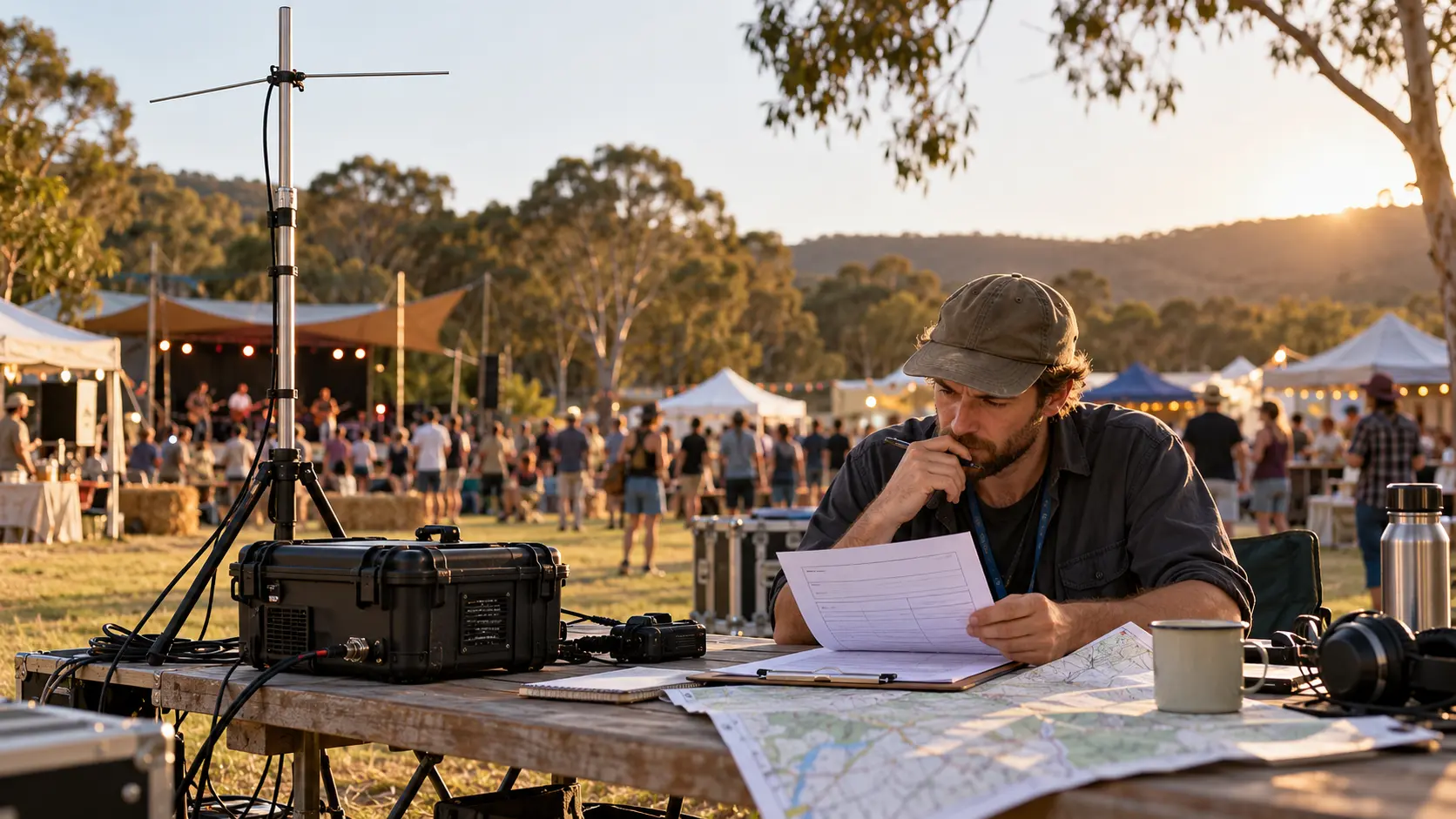
Pop-up FM Gets a Chaperone. ACMA Keeps the Licence Stamp.
Australia’s regulator wants accredited people to coordinate most short-term event radio applications. The proposed route cuts the filing lead from eight weeks to four, while ACMA keeps the decision that makes the frequency available.

Europe and Middle East National Telecom Trends
France Put SFR on a Six-Month Clock. The Public Saw It Eight Months Later.
Arcep’s newly published order tells SFR to deliver mobile service in 54 targeted-coverage areas and fixed 4G in another list of 27. The deadline runs from the date SFR received the order. The public document leaves that date out.

Europe and Middle East National Telecom Trends
Some lift alarms still need 2G. Britain’s exit plan asks users to find them
The UK has given mobile operators a timetable, trial rules and a quarterly reporting loop for retiring 2G. The people expected to spot many of the devices left behind may never have bought service from those operators.
Europe and Middle East National Telecom Trends
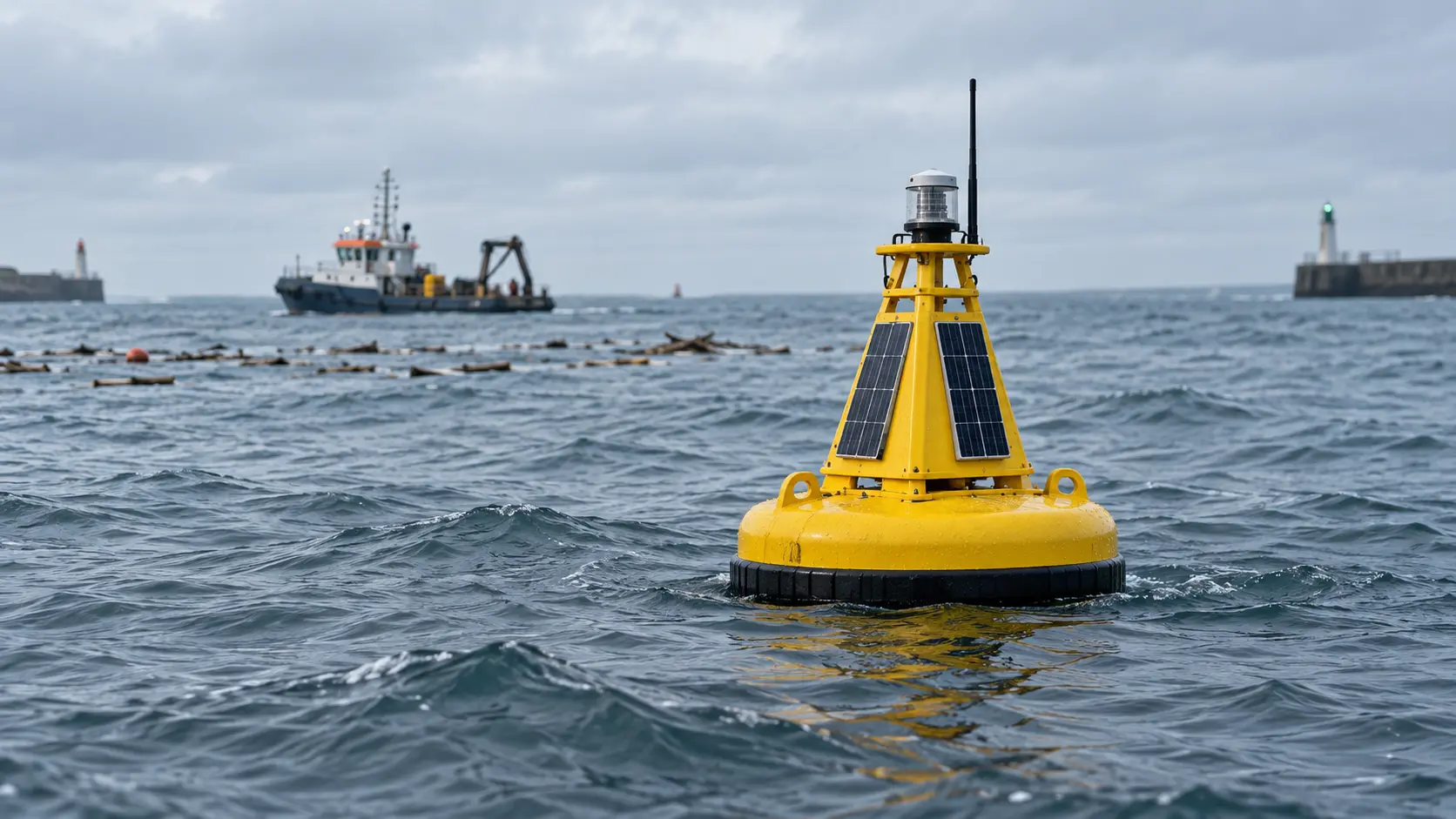
The Buoy Can Move. Its Identity Cannot
Ofcom will give mobile navigation markers unique radio identities. The hard part is getting one into the water fast enough, with someone answerable for it.
Europe and Middle East National Telecom Trends
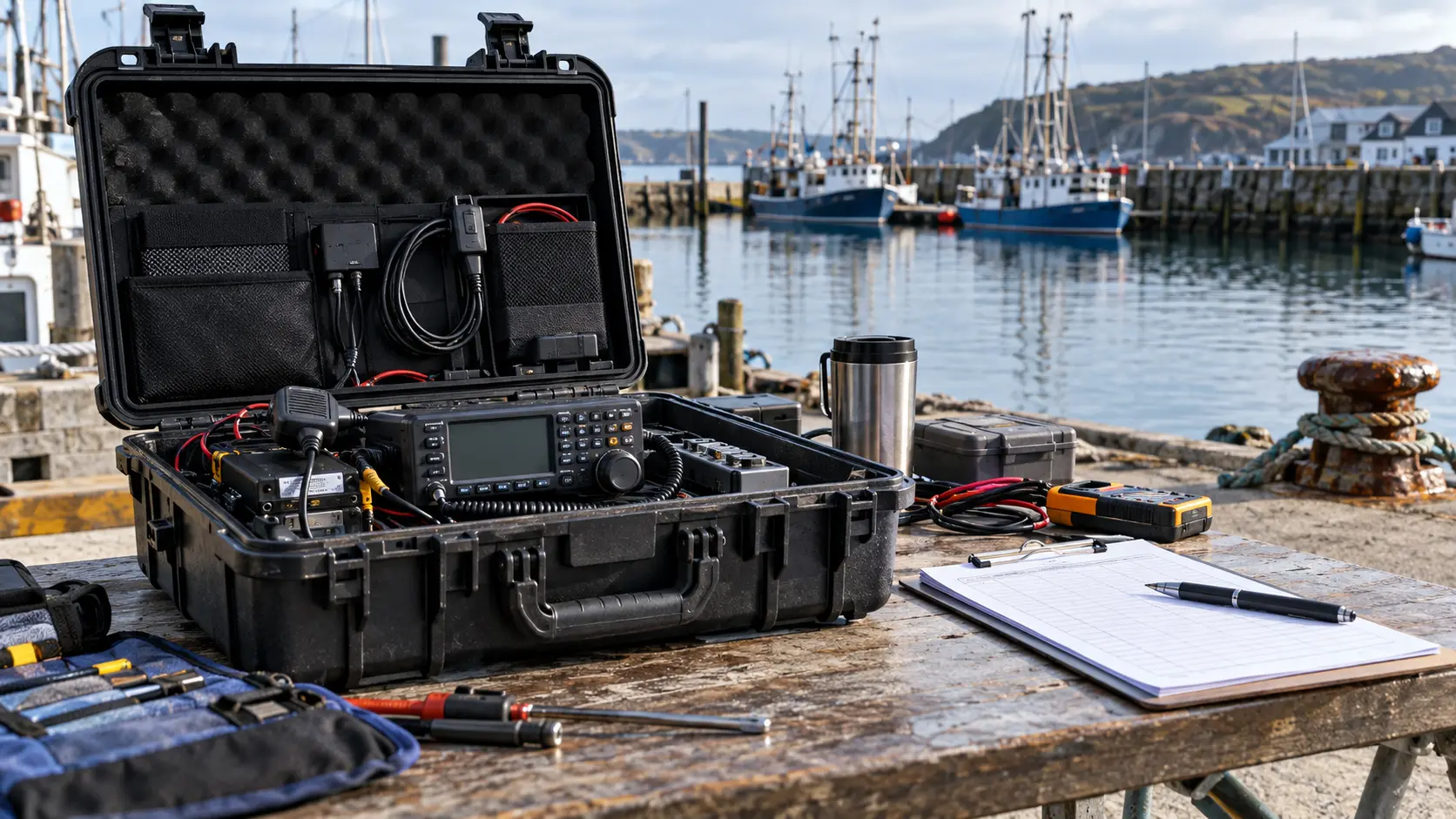
Ofcom Lets the Radio Repair Kit Roam. Distress Channels Keep the Doorbell
Temporary test sites will need a six-month log instead of advance notice. The dangerous frequencies still demand a call before testing.

Europe and Middle East National Telecom Trends
Ofcom Retired the DGPS Licence. The Frequency Still Has a Guard
Britain stopped transmitting DGPS in 2022. Ships may still hear continental signals, so Ofcom is closing the licence while protecting the band.

Europe and Middle East National Telecom Trends
Ofcom Found Two Spare Channels at the Port. One Licensee Is Already There
The regulator is opening two maritime voice frequencies to ease local congestion. First it has to move the existing holder without creating a new queue on the duplex side.

Europe and Middle East National Telecom Trends
Britain gave the ship a data passport. The shore desk is still closed
Ofcom has cleared VHF data equipment for UK ships travelling abroad. British coastal stations will wait for another round of rules, leaving a very modern vessel to meet an old-fashioned counter at home.

Europe and Middle East National Telecom Trends
Five bars, dead battery: the Home Office wants Ofcom’s outage map
A newly public Home Office submission asks the UK telecom regulator to show when mobile service disappears at street level. Emergency crews need a different answer from a consumer speed test.

Europe and Middle East National Telecom Trends
More satellite sky for ships and planes. Ofcom's licence has a layover
A new UK uplink decision widens the bands available to moving terminals. The frequencies reach real licences in early 2027, with an airport coordination rule along for the ride.

Asia-Pacific National Telecom Trends
A Registered SMS Name Can Still Arrive Wearing “Unverified”
Australia’s sender register can vouch for the name. The route carrying the message still has to earn the same trust.

Europe and Middle East National Telecom Trends
A PHP bug landed on Ofcom’s desk. Telecom operators own the fix
Two critical flaws have turned a web-server update into a question for communications providers and essential digital-infrastructure services across the UK.

Europe and Middle East National Telecom Trends
Ofcom retired 19 telecom land powers. The cables did not all retire
Twelve companies handed back the right to work on land; seven had already been dissolved. A KCOM asset trail shows why the company name and the network are different things.

Europe and Middle East National Telecom
Tismi answered complaints. Ofcom still sent a £437,500 bill
The regulator found prompt replies to outside agencies alongside three missing controls over phone numbers that Tismi had passed to customers.

Europe and Middle East National Telecom Trends
Ofcom opened the city to satellite gateways. Two gigahertz need a side door
Urban satellite gateways can now seek Q/V band licences across the UK’s densest areas. A contested downlink slice still has its own, site-specific route.

Europe and Middle East National Telecom Trends
Ireland has six TV multiplexes in reserve. The footnote is 47,000 DTT-only homes without broadband.
ComReg’s post-2030 spectrum puzzle has a neat numerator and a messy household denominator: six multiplexes are reserved for terrestrial television, two are used, and tens of thousands of homes still depend on the aerial with no broadband line behind it.