
Topic
Peering and Transit
Within the Topic facet, Peering and Transit topic intelligence connects articles that share a specific subject, signal focus, or monitoring theme. The page gives readers a richer path through related reporting, source evidence, market actors, and infrastructure implications, with enough context to understand why the topic matters across company movements, governance decisions, regional exposure, and operational risk. Readers can compare recurring signals, affected organisations, public evidence, market context, service continuity, procurement, competition, compliance, and strategic planning questions behind the subject instead of stopping at a thin list of matching articles. It explains what the topic covers, which infrastructure actors or policies are involved, what evidence supports the coverage, and why the subject may matter for operators, customers, investors, and policy readers.
Europe and Middle East Institutional Trends
A Riyadh Postbox, a Registry Key, and the Half of SAIX Nobody Publishes
The registry will tell you exactly what to call the Saudi Arabian Internet Exchange and where to send its post. It will not tell you who is plugged in. Measured on 4 November 2026, that gap is the finding.
North America Datacenter
PIT-IX Reports Three Buildings. The Record Won't Say Which.
An internet exchange is a building problem in a routing costume. The Pittsburgh Internet Exchange now tells the world it runs across three facilities, counts thirty-six member networks and has imported forty-one networks from its IX-F feed — and it does not name one of the three.
Europe and Middle East Datacenter Trends
Cork Has an Internet Exchange on Paper. The Paper Is a Membership Form.
A registry row in Cork names an exchange; the record behind it names a billing address, an eligibility rule and nothing that switches a packet. In a country whose peering identity answers to Dublin, that gap is the story.
Asia-Pacific Regional ISP Trends
Four Addresses, One Switch: What Myanmar's Exchange Can Disperse and What It Cannot
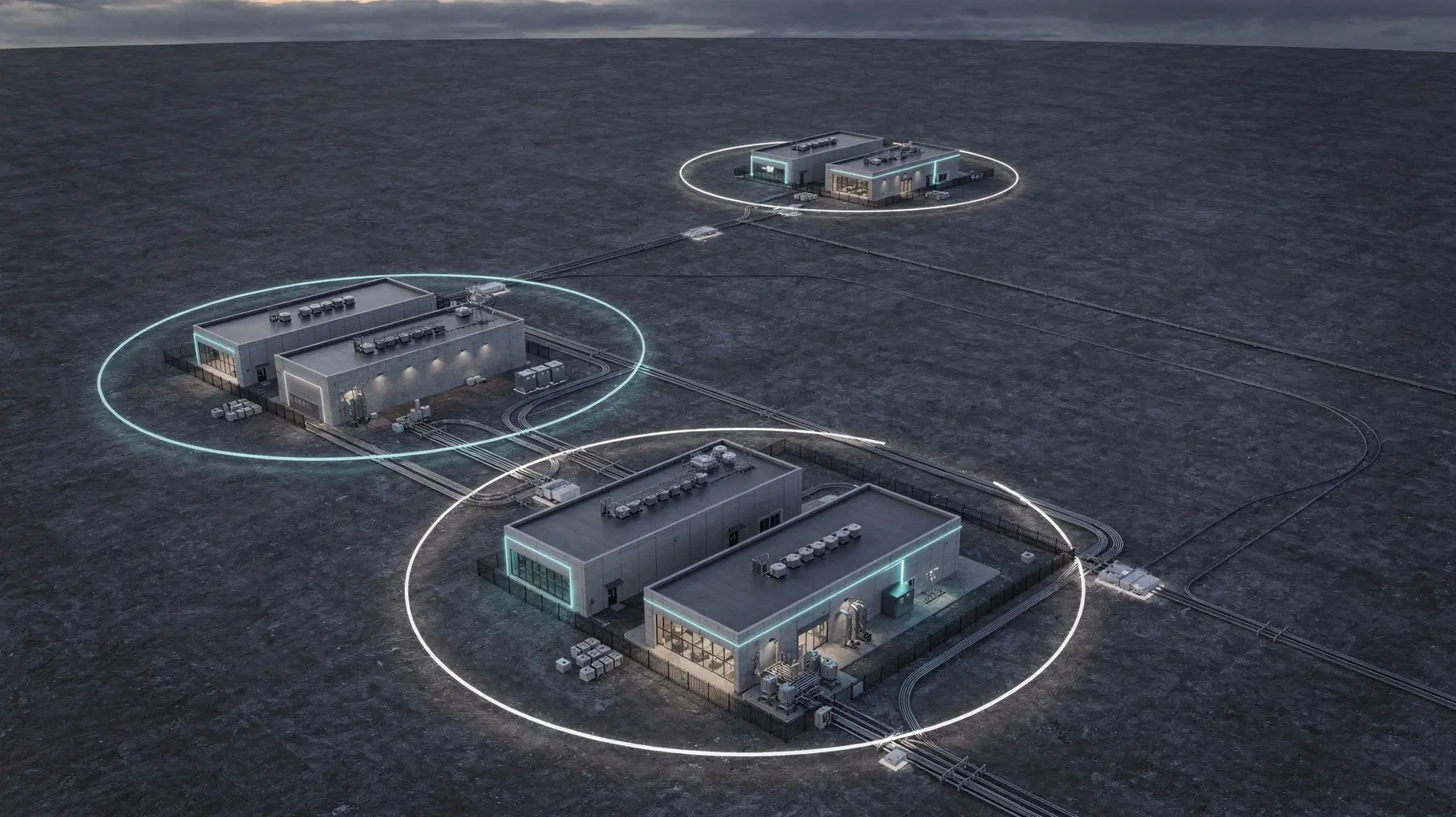
Myanmar Internet Exchange now advertises four domestic meeting points across the country. The list is real and the geography is real. So is the single authority that has, four times in fifteen years, ordered the country's traffic to stop.
Europe and Middle East Institutional Trends
FICIX Runs the Fabric. Two Facilities Carry Telia and Equinix Names.
On 3 November 2026, the front page of Finland's largest internet exchange listed five sites and three platform names. Two of those sites sit inside buildings named for somebody else: a national carrier and a commercial datacentre company. That is the most concrete thing FICIX…

Academics
Remi Hendriks put an anycast node in Lagos. Nearby routes still went to Paris.
The server was closer; the Internet chose a longer path. Hendriks's test bed shows why a new point of presence cannot buy the local interconnection that BGP still needs.
NANOG
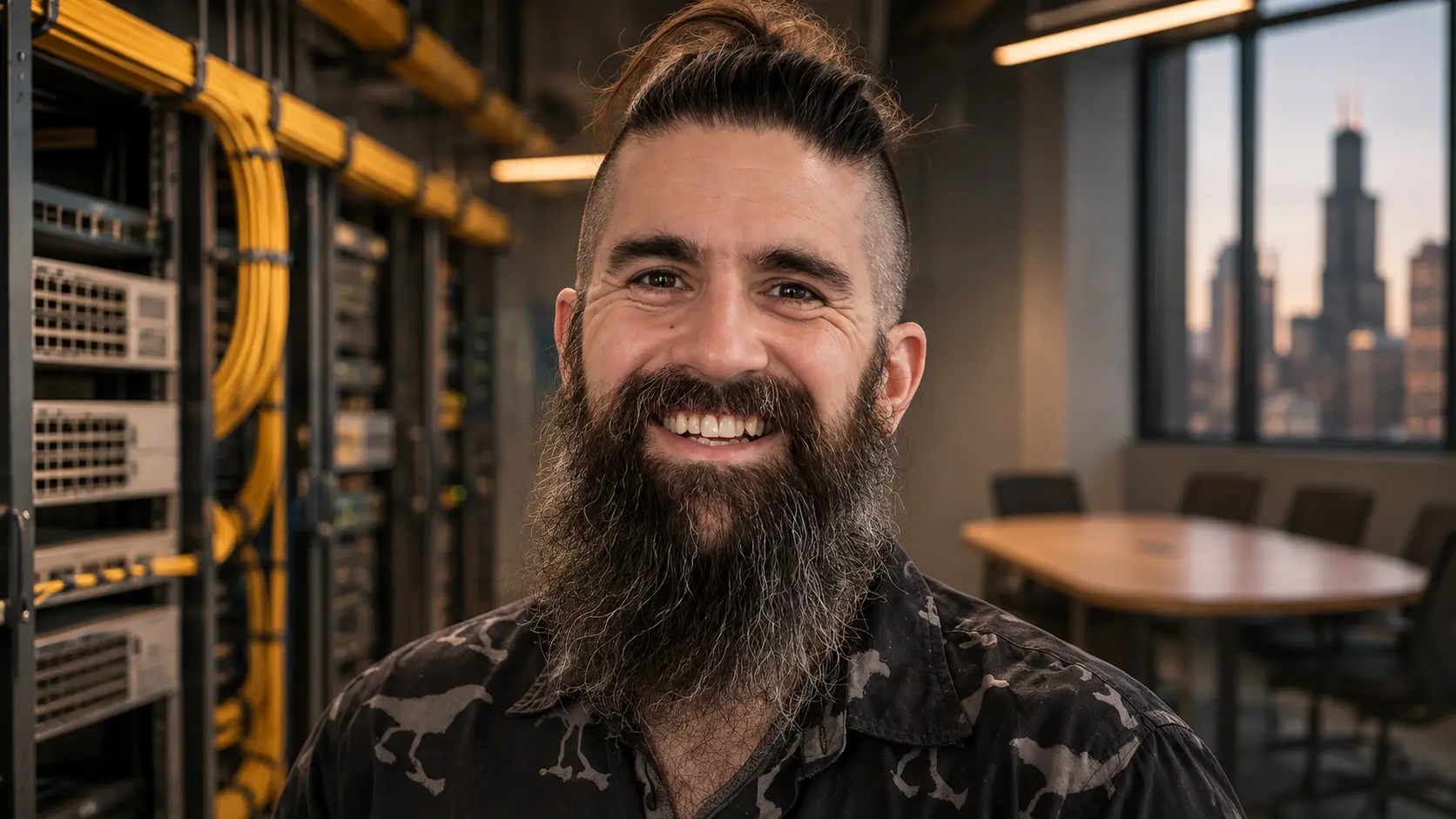
Matt Griswold has six founding networks. The Chicago IX vote was still being written.
The ports have prices and the founders have names. Griswold's NANOG slides promise that connected networks will vote on the exchange's future, then say the voting structure is still being finalized. At an IX, the cost of leaving rises after the first BGP sessions come up.
NANOG
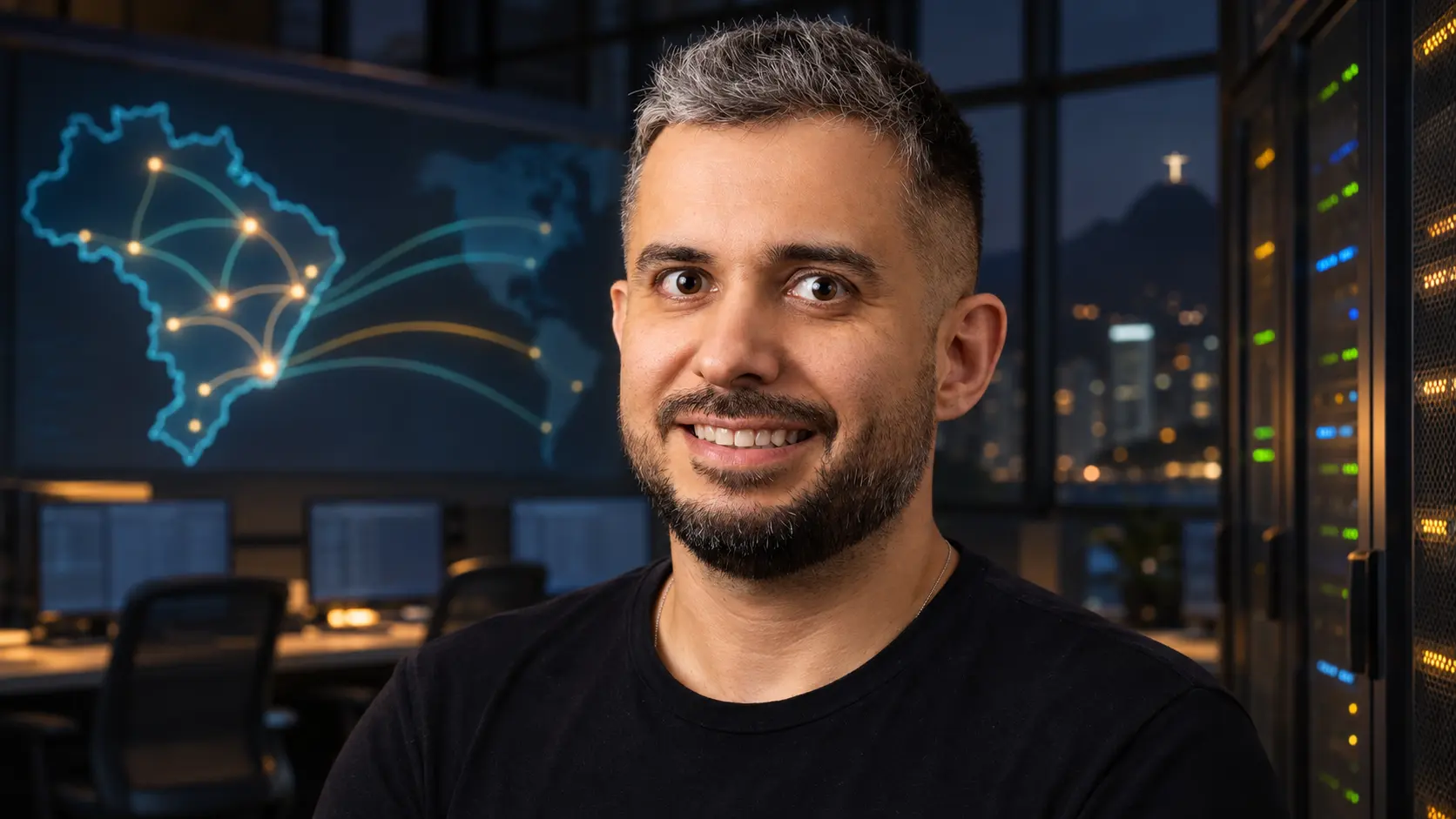
Renato Ornelas had room at one PNI. The Cup still imported 165 Gbps.
The local cache was full and one peering site had hit its limit. A second site still had space. Ornelas's World Cup traces show why an empty port is not the same thing as a local route.
CASE FILE
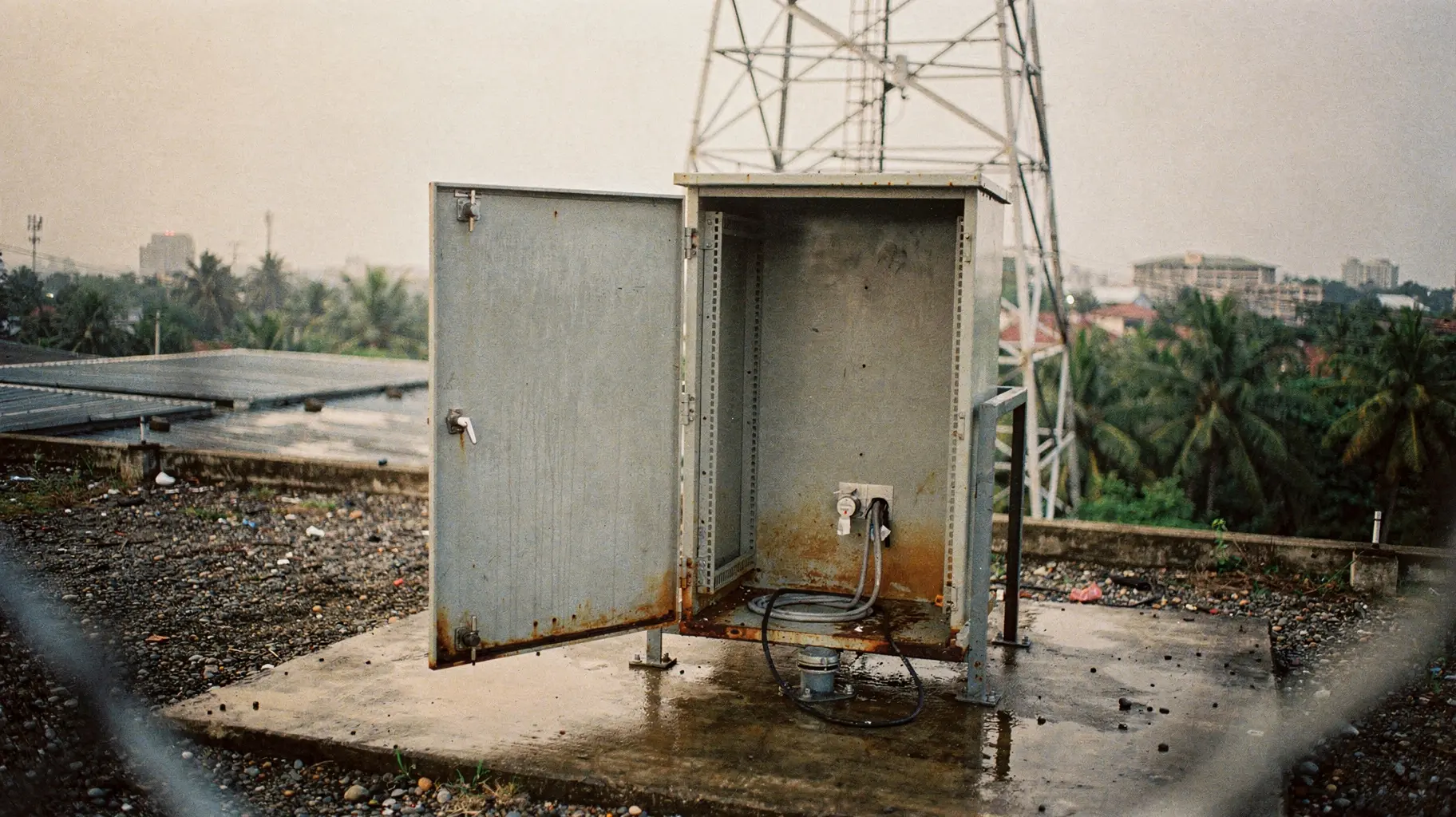
ATOM Myanmar Changed Its Name. The Numbering Record Never Got the Memo.
ATOM Myanmar Changed Its Name. The Numbering Record Never Got the Memo. intelligence summary explains the development, the public evidence available to readers, the organisations involved, the regional context, market exposure, and the infrastructure consequences that may follow.…

NANOG
Dmytro Shypovalov gave Segment Routing a bandwidth meter. The production switch stays off.
Segment Routing removed state from transit routers. At NANOG 98, Dmytro Shypovalov showed where the missing traffic-rate feedback has to go—and why a working demonstration still leaves an operator with a production decision.

Academics
Thomas Holterbach Wants the Routes the Collector Never Saw
A prefix disappears at an Internet exchange. A conventional BGP collection session can tell an operator what it received. Thomas Holterbach wants the harder evidence: what the route server saw before filtering, what it discarded, and whether the peer went away at all.

Leaders
Gaurab Raj Upadhaya Put “Tier 1” on a BGP Path. A Third Network Walked In.
A carrier can call itself transit-free. Its customers still have to route through the network that exists. At APNIC in 2006, Gaurab Raj Upadhaya and two colleagues laid the industry's status claim against observed AS paths and found a guest the neat hierarchy had no seat for.

Global Cloud Services Trends
Oracle’s FastConnect Port Keeps Billing When the Data Stops
Private FastConnect traffic has no separate Oracle transfer charge. The reserved connection has a meter of its own: time. An empty circuit can still produce an invoice.

Leaders
Tomoya Yoshida Got APNIC to Test New Addresses. The IPv4 Rule Died in the Room.
A new address block can exist in a registry and still hit an old filter on the way to a customer. Yoshida asked the registries and operators to find that gap together; the policy meeting agreed only in pieces.
CASE FILE
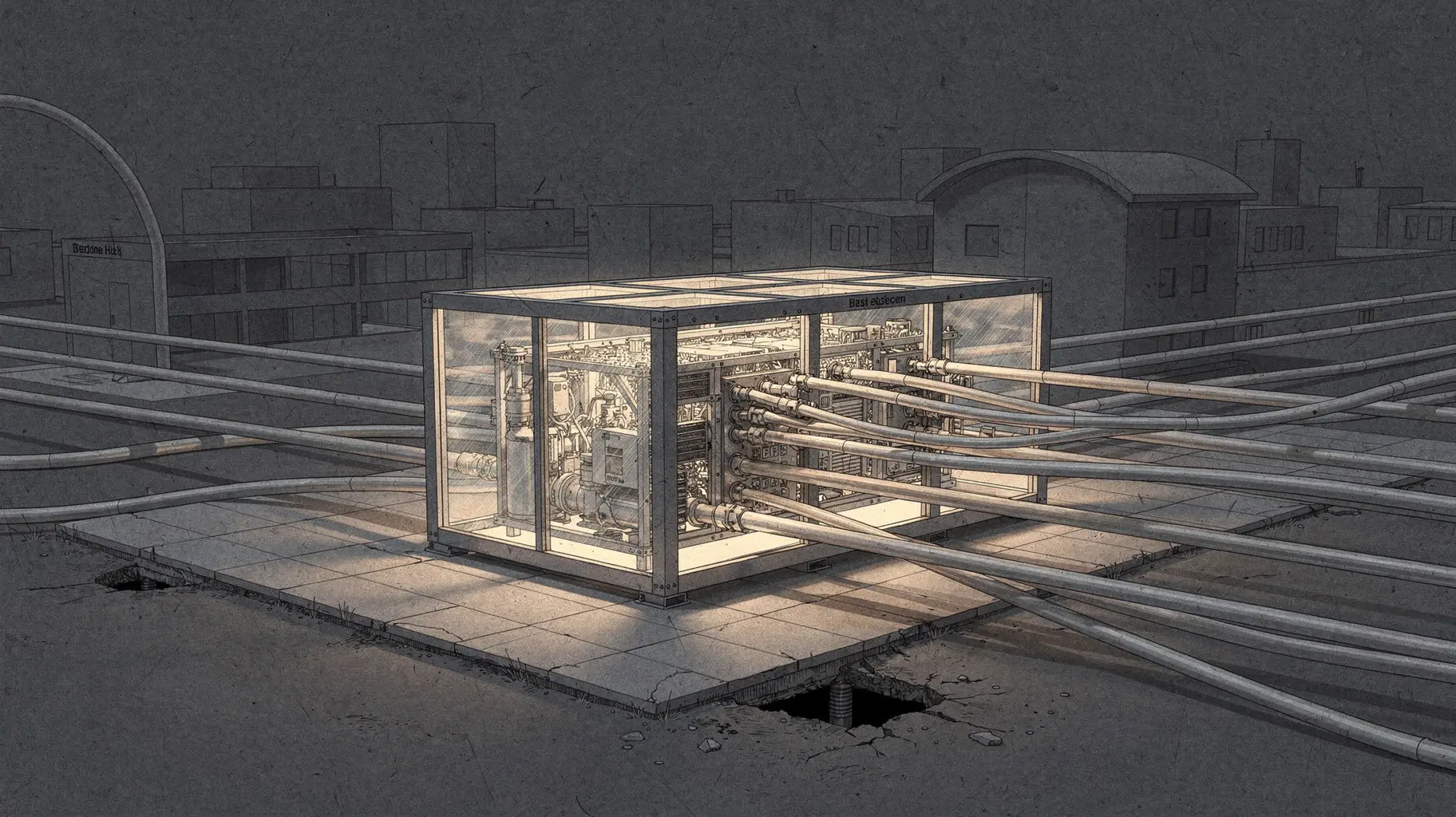
The 88-Network Gap in Kyiv's Exchange
DTEL-IX publishes 184 entities and more than 272 connected networks on the same page, plus one sentence about twenty-nine resellers. Only one of those three numbers can be checked against anything else, and the page does not say which.
CASE FILE
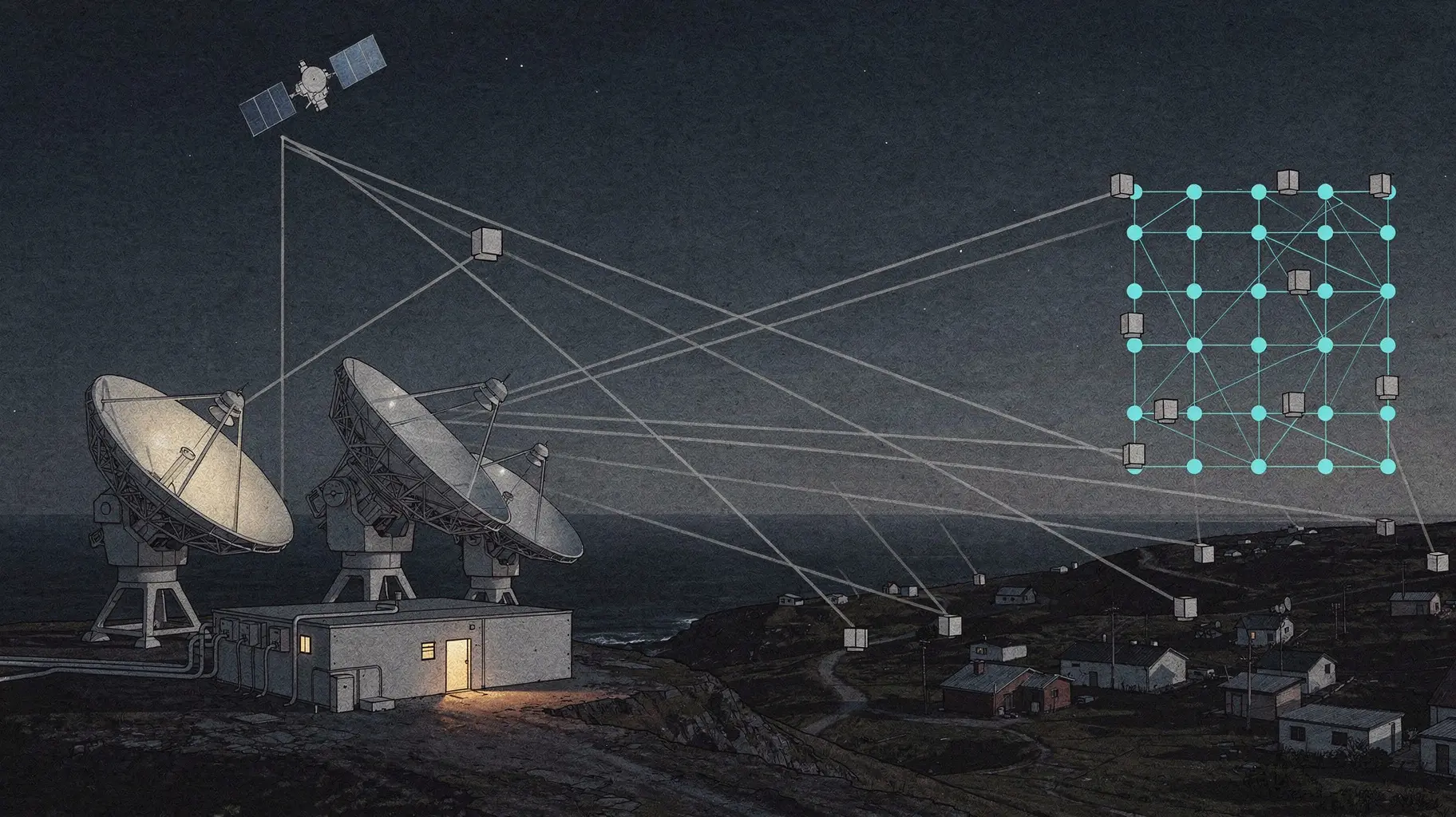
The exchange in the name, the hub in the brochure
A Hong Kong company registered with APNIC as ASIX Asia Satellite Internet eXchange Ltd sells, by its own account, teleport capacity: dedicated satellite carriers, shared carriers scheduled from a hub, video uplink, ground support, co-location. That is a star with a ground station…

Story
BGP Counted 1,025 Updates. AS49666 Switched Upstreams.
BGP Counted 1,025 Updates. AS49666 Switched Upstreams. intelligence summary explains the development, the public evidence available to readers, the organisations involved, the regional context, market exposure, and the infrastructure consequences that may follow. The Story…

Leaders
A Single LAN Cannot Contain an IXP. Stefan Wahl Wants the Directory to Catch Up.
At RIPE 92, Stefan Wahl argued that exchange directories still draw one flat peering LAN while operators sell and run a stack of distinct services. That gap now reaches into route filters, trust settings and automation.

Leaders
Innocenzo Genna sees Europe’s 2% rule opening a new peering dispute queue
A European Parliament rapporteur’s draft would extend interconnection duties to providers responsible for at least 2% of EU downstream traffic. Genna says that trigger could pull operators into regulator fights before anyone has agreed how costs should be shared.

Global Datacenter Trends
Equinix gives you ten days to answer for the connection you asked it to remove
The removal request has gone in. Traffic is still flowing. Equinix has a procedure for asking the customer about that contradiction—and for processing the original order when the answer never arrives. Someone needs to own the saving after the purchase-order screen closes.