
Topic
Institutional Legitimacy
Within the Topic facet, Institutional Legitimacy topic intelligence connects articles that share a specific subject, signal focus, or monitoring theme. The page gives readers a richer path through related reporting, source evidence, market actors, and infrastructure implications, with enough context to understand why the topic matters across company movements, governance decisions, regional exposure, and operational risk. Readers can compare recurring signals, affected organisations, public evidence, market context, service continuity, procurement, competition, compliance, and strategic planning questions behind the subject instead of stopping at a thin list of matching articles. It explains what the topic covers, which infrastructure actors or policies are involved, what evidence supports the coverage, and why the subject may matter for operators, customers, investors, and policy readers.

NANOG
NANOG’s Board Mandate Has a Denominator
NANOG’s election archive becomes most useful where it names not only the winners, but the eligible electorate and the ballots cast. Those figures support a serious defence of the organization’s internal self-government. They also show exactly why a NANOG election cannot be made…

LACNOG
From Custody to Capacity: What LACNOG’s Incorporation Actually Changed
Five audited year-end figures document the end of LACNIC’s custody of LACNOG funds. They also expose the limits of the change: an account can move, a legal person can acquire new capacities, and a regional mandate can still remain unproved.

AUSNOG
The One Package Outside AusNOG’s Draw—and the Records the Other 22 Need
AusNOG replaced a long-running sponsorship waiting list with package-by-package draws in 2024. The change coincided with a visibly larger field, but an expanded inventory, unresolved package counts and an undocumented execution trail mean the public record still cannot answer the…

NANOG
The Space Between NANOG’s Ballot and Its Boardroom
NANOG asks Board candidates to disclose the organisations around them, then asks Directors and officers to disclose again when a later decision touches an affiliated organisation. The public-interest question is not whether an employer name proves influence—it does not—but…

NANOG
After the Ballot: How Power Travels Through NANOG's Appointed Committees
NANOG's members elect most of the Board, not the specialist bodies that shape programmes, elections, audits and community work. The case for appointment is strong; the harder question is whether the public record lets a reader follow each grant of authority from selection to…

NANOG
The Ballot Had One Switch
In 2018, NANOG disclosed 34 bylaw changes in unusual detail, then gave members one yes-or-no control over the entire package. That design made the proposed text inspectable while leaving the members' proposition-level preferences unknowable—a distinction that matters even when…

NANOG
The Status Switch: What NANOG’s Good-Standing Rules Actually Change
The Status Switch: What NANOG’s Good-Standing Rules Actually Change intelligence summary explains the development, the public evidence available to readers, the organisations involved, the regional context, market exposure, and the infrastructure consequences that may follow. The…
Academics
Kanchana Kanchanasut and the Work of Making Connectivity Last
From AIT's early X.25 and UUCP experiments to `.th` stewardship, regional operator training, neutral interconnection and community mesh networks, Kanchana Kanchanasut's record shows how a fragile technical link can become an institution that outlasts its first operators.

NANOG
What, Exactly, Did NANOG Acquire?
NewNOG incorporated in 2010. The 2011 handoff then transferred named NANOG assets to that corporation, giving the forum a legal holder for its name and domain, archives, contracts and financial risk. It made NANOG more durable and its responsibilities easier to locate without…

SANOG
Eight Days That Stayed Put: Who Did What When SANOG 34 Moved
SANOG 34 kept its late-July opening and early-August finish, but the entity-facing machinery needed to make those dates real had to be rebuilt from Colombo to Kolkata. The surviving public record separates local risk advice, an unsigned regional decision, replacement-host…
AFNOG
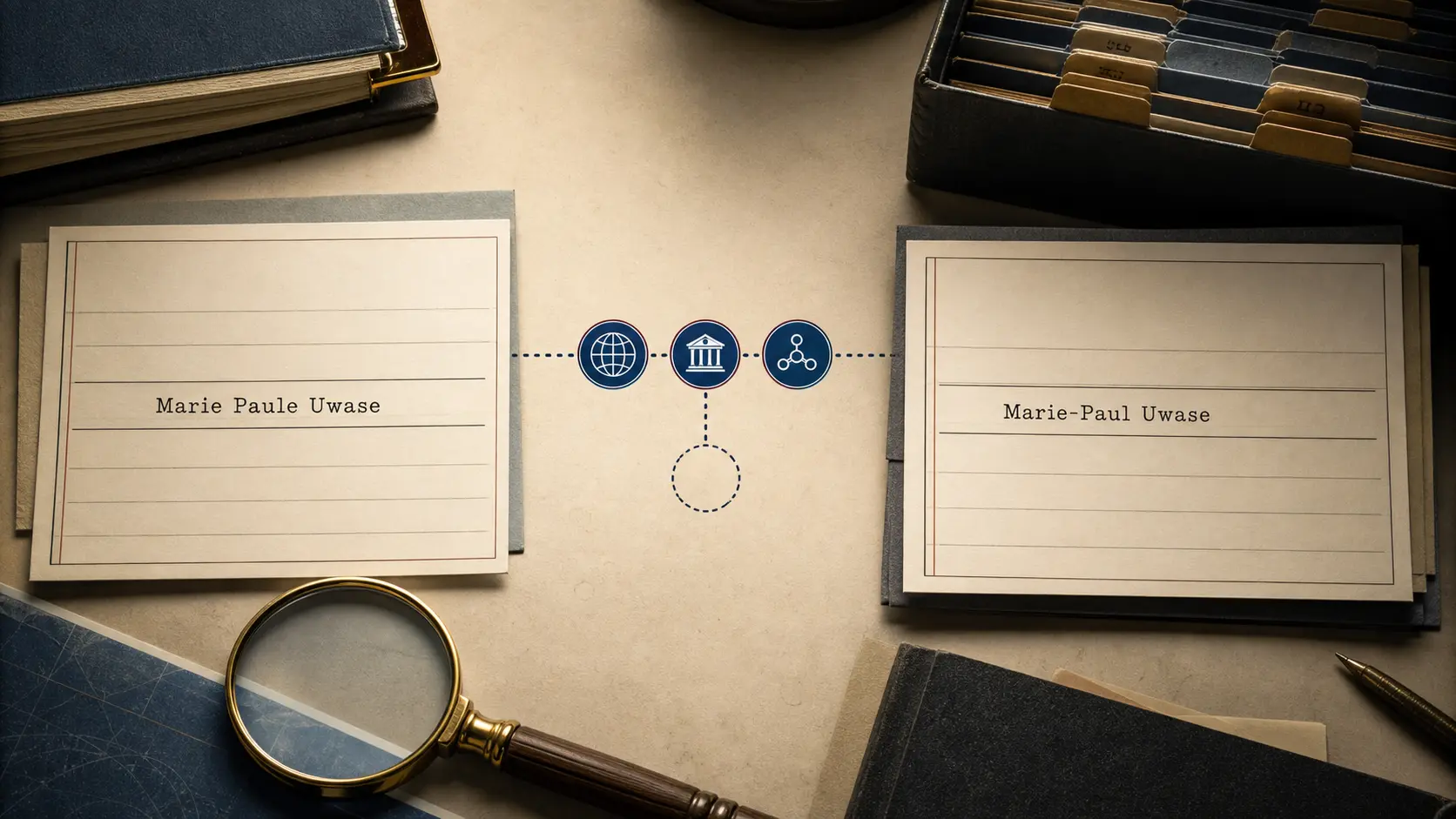
One Name, Two Spellings: The Limit Hidden in AfNOG’s Archive
In one corner of AfNOG’s 2008 workshop archive, Marie Paule Uwase is a entity from Rwanda. In another, the certificate gallery calls her Marie-Paul Uwase. That terminal *e* and hyphen become consequential when the latter form appears on a 2010 instructor roster. The public record…
MENOG
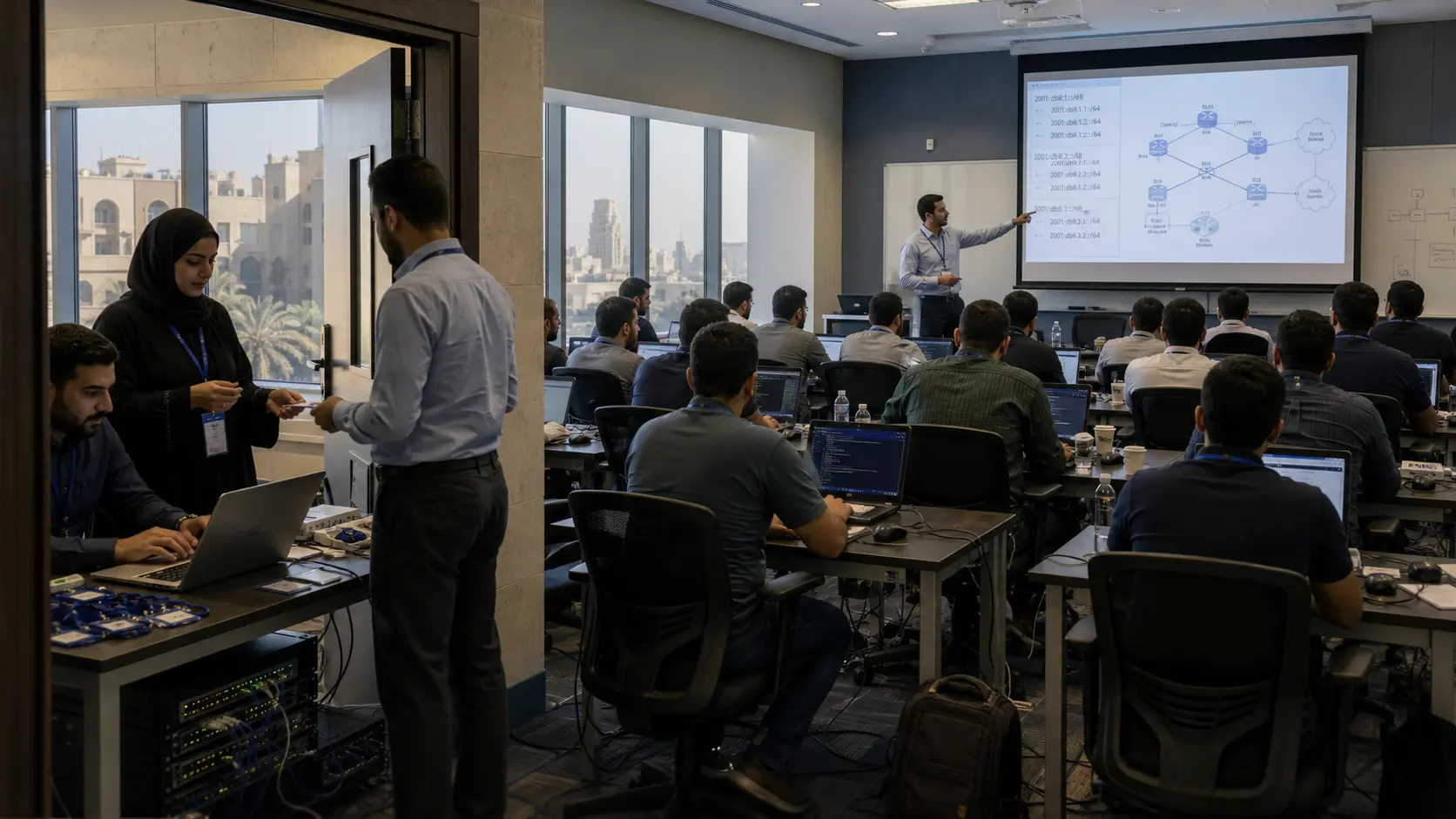
The Classroom Moved. Who Chose the Lesson?
When MENOG announced one regional meeting instead of two and more country roadshows, it made technical training easier to reach. The harder question is whether it also moved the power to choose—over seats, teachers, materials, accreditation and the future use of what was taught.
North America Institutional
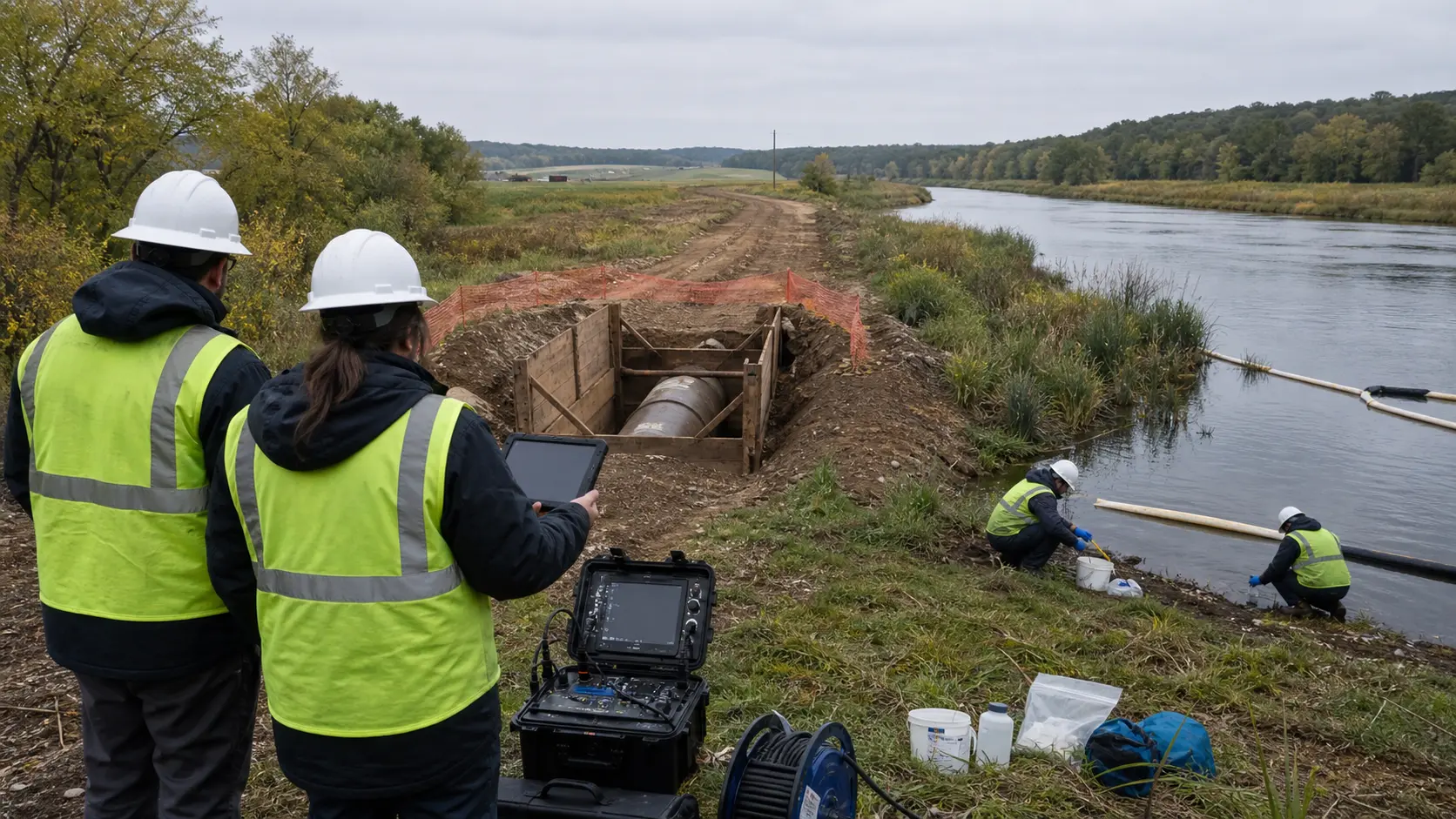
Enbridge Line 6B made control-room response and integrity management an oil-pipeline accountability test
The Line 6B rupture shows that pipeline integrity, alarm diagnosis, restart authority and river response must operate as one auditable safety system rather than as separate technical programs.

Global Institutional
Samarco's Fundão dam made tailings governance and river restoration a mining accountability test
Fundão shows why a tailings facility, its warning system and the watershed below it must be governed as one long-duration public-risk system, with evidence that remains usable from design through compensation and ecological recovery.

North America Institutional
San Bruno made pipeline records and automatic shutoff a gas-safety accountability test
San Bruno shows why a gas utility must treat pipe records, material verification, integrity assessment, control-room recognition and rapid isolation as one safety system rather than separate engineering and administrative functions.
North America Institutional
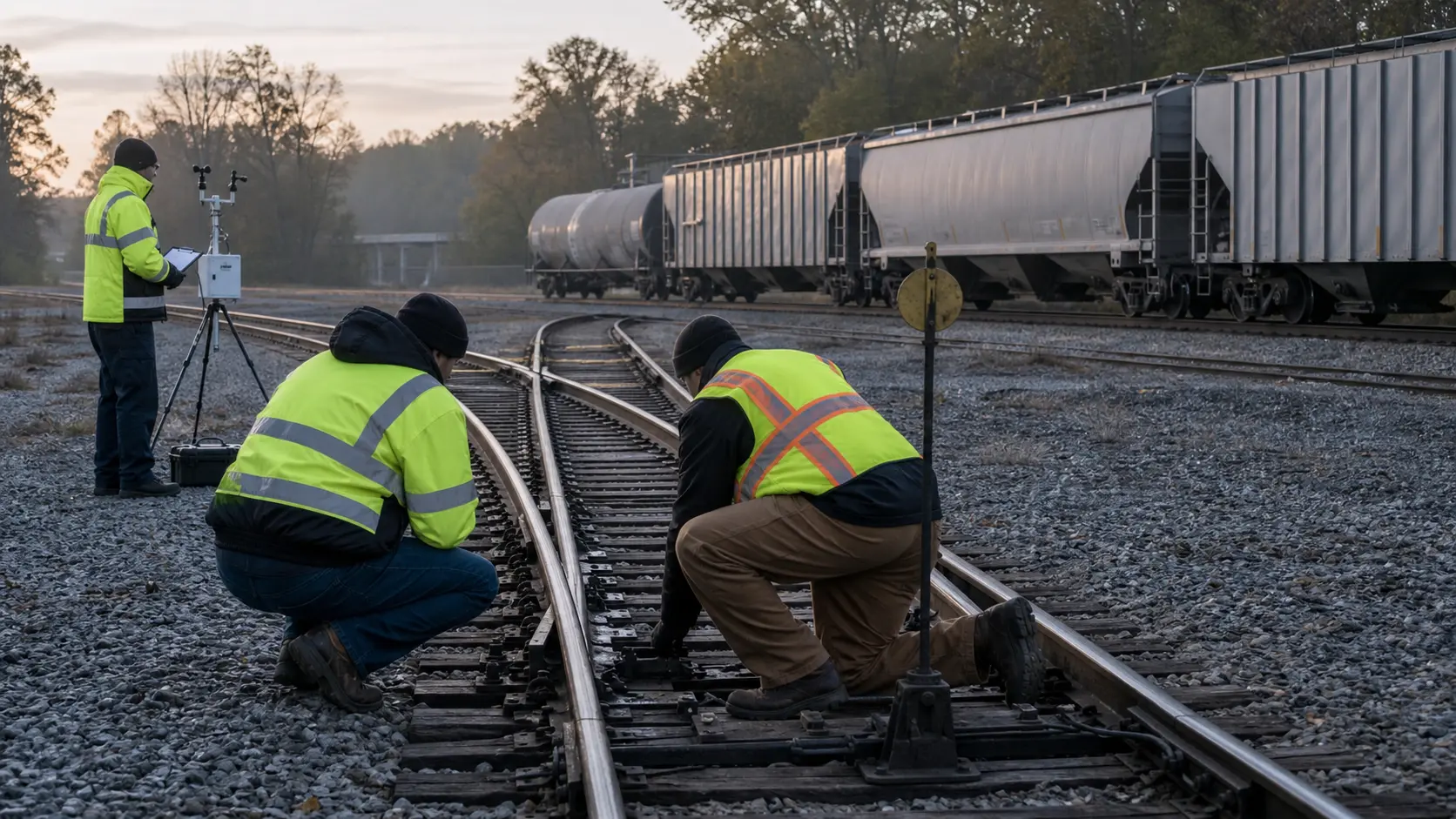
Graniteville made railcar routing and community warning a chlorine-transport accountability test
The Graniteville collision and chlorine release show why a hand-operated switch, a pressure tank car, train-crew protection and community warning must be governed as one hazardous-material transport system rather than as separate operating, equipment and emergency-response…

Asia-Pacific Institutional
Montara made well-control barriers and offshore oversight an oil-spill accountability test
The Montara blowout shows why offshore well control must be governed through verified physical barriers, competent execution, independent regulatory challenge, credible spill response and long-tail environmental and civil-remedy evidence rather than through procedural confidence…

Europe and Middle East Institutional
London Capital & Finance made mini-bond promotion and regulatory-perimeter supervision an investor-protection accountability test
London Capital & Finance plc exposed a particularly difficult form of financial accountability failure. The company was authorised by the Financial Conduct Authority for some activities, yet the issuance of its mini-bonds was generally outside the regulated perimeter. That…

Europe and Middle East Institutional
HBOS Reading made impaired-assets fraud and remediation independence a banking-governance accountability test
The fraud centred on Bank of Scotland's Impaired Assets team in Reading turned a function intended to support or resolve distressed businesses into a test of insider conflict, credit control, investigation, regulatory disclosure and customer remedy. Six individuals were convicted…

Europe and Middle East Institutional
Swedbank made Baltic non-resident flows and AML escalation a banking-governance accountability test
Swedbank's Baltic case was not a judicial determination that every high-risk payment was criminal money. It was a test of whether a cross-border banking group could identify non-resident risk, understand beneficial ownership, monitor transactions, move warnings from local control…