
Region
Latin America and the Caribbean
Latin America and the Caribbean regional intelligence explains how companies, people, policy moves, network operations, investment signals, data centre demand, telecom execution, and market constraints shape infrastructure delivery in the same geographic market or governance area. The page connects published coverage with evidence, regional actors, operating dependencies, market context, and customer or regulatory exposure that may otherwise sit across separate topic or company pages. Readers can compare who is active, which signals are backed by public evidence, how local execution risk connects to broader internet infrastructure strategy, and what changes may affect customers, partners, regulators, or capital planning. Readers can understand the geography, the relevant infrastructure sectors, the public evidence base, and the practical questions that make the regional page more useful than a short listing of articles.

Story
LACNIC’s 11 IXP Collectors Need a Vantage-Point Receipt
LACNIC has opened a useful window onto local routing: eleven BGP collector views, public MRT files and charts of prefixes, origin networks and paths. The problem begins only when a window is mistaken for the landscape. The portal does not bind each result to the peer cohort…

Story
LACNIC Cut Its Recovery Window to Three Months in 2015. One Procedure Page Still Says Six
LACNIC has a clean public record of shortening its resource-recovery publication period from six months to three. It also has a current operational page and policy manual that use the shorter clock. The unresolved problem is simpler and more practical: another public procedure…
Story
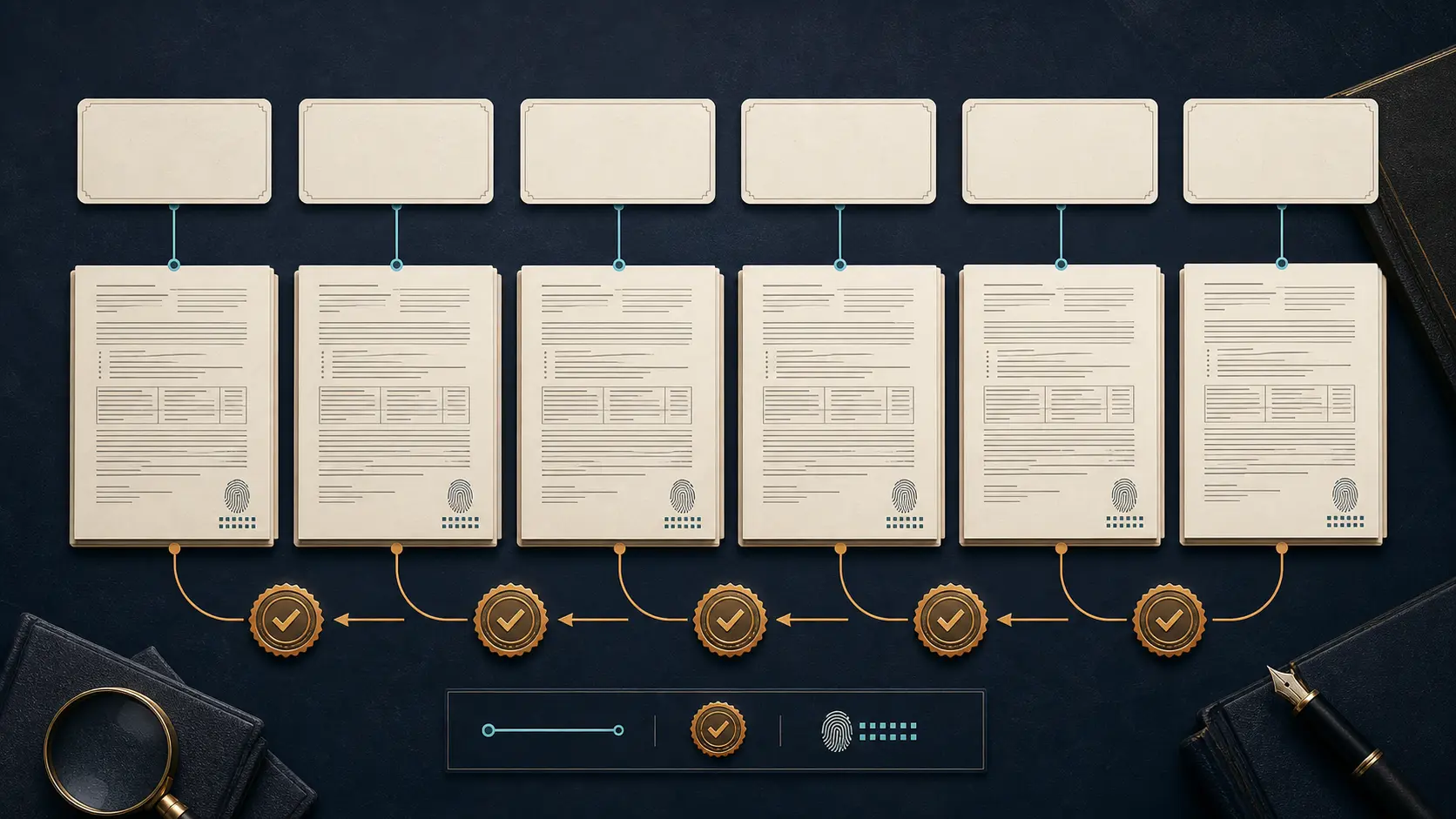
Six Minutes Are Published. LACNIC’s Summary Column Says Nothing
LACNIC’s 2026 Board page presents six meetings, six dates and six links to approved minutes. Beside them sit six empty `Summary of activities` cells. The records exist; the map into the records does not. That difference determines whether a reader can find a decision without…

Story
Between Listening and the Map: LACNIC’s Missing Input Trace
LACNIC’s public account names a collective planning process and a route from listening to SWOT and a final strategic map. What the checked documents do not expose is the privacy-safe join that would let a reviewer follow one issue from source class and channel through synthesis…

Story
The Seller’s Last Login: Why a LACNIC Deal Can Close Before Its Addresses Move
A buyer can acquire the shares, the routers and the customer contracts at midnight and still wake up without a completed registry handover. In a LACNIC transaction, the costly interval is the registry gap between legal control of the company and verified control of the number…

Story
The Prefix in the Credit File: What a LACNIC Lender Can Actually Recover
An IPv4 block can look valuable on a market screen and still fail a lender’s recovery test. In the LACNIC region, collateral value depends on a chain that joins company authority, applicable secured-transactions law, transfer eligibility, registry recognition and uninterrupted…

Story
Three LACNIC Numbers an IPv4 Accounting Memo Must Not Collapse
An IPv4 transfer can produce a private price, a registry-processing charge and a recurring membership invoice. They may arrive in the same transaction folder, but each number proves something different.

Story
LACNIC Turns IPv4 Value Into a Chain of Proof
An IPv4 block may attract a price, but a board cannot rely on that value until authority, eligibility and the registry change can survive diligence.

Story
At LACNIC, the Most Valuable IPv4 Option Is Waiting
At LACNIC, the Most Valuable IPv4 Option Is Waiting intelligence summary explains the development, the public evidence available to readers, the organisations involved, the regional context, market exposure, and the infrastructure consequences that may follow. The Story…

Story
At LACNIC, a New ISP Must Prove Need Before It Can Pay $8,000 for IPv4
LACNIC’s rules ask a first-time operator to show that customers and equipment already justify an address block. Exhaustion then sends that approved need into a private market. The rule is neutral on paper; the sequence is not neutral between a network starting from zero and one…

Story
LACNIC’s Last Waitlist Applicant Faces 12 Years for at Most 1,024 Addresses
LACNIC’s IPv4 queue does not preserve a block for every approved applicant. It preserves an identity-bound place in a sequence whose supply, order, final approval and address quality remain unsettled until recovered space is actually released.

Story
LACNIC's ASO AC Result Became Official Without a Closure Receipt
At 18:00 UTC on 20 August, one public election table crossed a consequential boundary. The names and 144 votes did not change. The page's status did: the provisional result became the official result after two audit windows. What did not appear beside that new status was the…

Story
LACNIC's Anti-Fake-IXP Log Has No Event Column
LACNIC has made a scarce IPv4 reserve unusually visible. Its public file can show who holds an issued interval and how much of the pool remains reserved. What it cannot say in one row is what happened. A log commissioned to cover assignments, recoveries and returns still…

Story
Three National Registers Expose the Gap Behind LACNIC's No-Consensus Result
Brazil calls an individual entrepreneur a natural person doing business in their own name. Argentina opens its simplified tax register to `personas humanas`. Uruguay describes a one-person monotributo business as a natural person registering before economic activity begins.…

Story
LACNIC's Legacy Deadline Is Running Ahead of Its Policy
Prior BTW reporting describes legacy IPv4 holders answering an administrative request while the community rule that would govern the same evidence is still being debated. That sequence does not make the outreach illegitimate. It makes the label on every decision unusually…

Story
LACNIC's 80% ROA Draft Ties New Addresses to Old Route Records
LAC-2026-3 would make a request for additional IPv4 or IPv6 resources the moment when LACNIC checks the routing-security state of an organization's existing address inventory. The proposed 80% threshold is simple enough to print in one line. Applying it fairly will require…

Story
The missing disposition in LACNIC’s 2026 Review Committee vote
The vote count is public, the audit windows have closed and the result is labelled official. Yet the same LACNIC page that offered two distinct seats currently identifies only one elected candidate, leaving the immediate-vacancy seat without a public disposition.

Story
LACNIC Counted 978 Organisations and 2,145 Weighted Votes. One Denominator Is Still Missing.
LACNIC’s 2026 extraordinary Board election published enough numbers to reproduce a seven-percent organisation turnout and the winning margin. It did not publish the total voting power held by all eligible organisations. In a system where one member can carry eleven times another…

LACNOG
LACNOG’s workshops put routing-security practice in the room
Two recently reported workshops in Costa Rica and Colombia show what a regional NOG can make tangible: not a new network service, but a shared place to rehearse the operational decisions that keep networks interoperable.

LACNOG
From Custody to Capacity: What LACNOG’s Incorporation Actually Changed
Five audited year-end figures document the end of LACNIC’s custody of LACNOG funds. They also expose the limits of the change: an account can move, a legal person can acquire new capacities, and a regional mandate can still remain unproved.