
Profile
Briefing
Briefing profile intelligence connects person, company, institution, and other entity coverage for readers comparing the subjects behind BTW.MEDIA reporting. The page helps compare public profiles, related events, evidence packs, role changes, operating footprints, governance exposure, organisational links, and market relevance while keeping organisation and people records distinct from ordinary news chronology. Readers can understand the subject behind the headline, the evidence supporting that profile, and the infrastructure or market relationships that make the profile relevant. They can see who or what the profile represents, which public sources support it, how it connects to companies, markets, governance bodies, or events, and what changes may deserve continued attention as the subject evolves.
CASE FILE
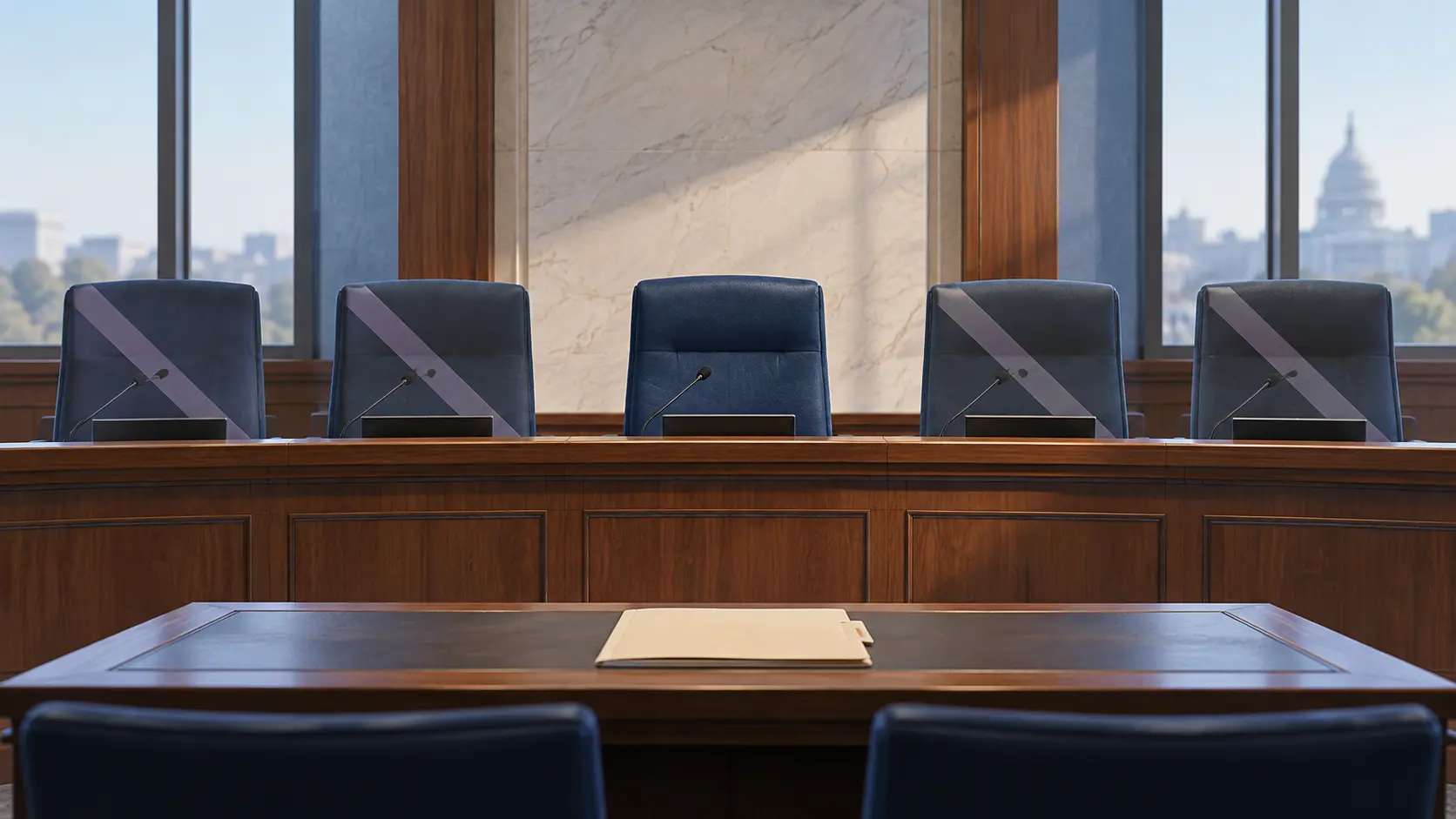
When one commissioner can speak for the SEC
An empty seat and a commissioner barred from one case are different problems. A new SEC rule brings them closer together—and a petition asks who will be able to check the result.

Europe and Middle East National Telecom Trends
One EU telecom notification, many national duties remain
The Commission’s proposed Digital Networks Act would replace a patchwork of market-entry notices with one notification routed through a national regulator and shared across the countries where a provider plans to operate. But the proposal does not turn that first regulator into…

Asia-Pacific Datacenter
Two Headings, Four Classes, No Figures: What HKIX Publishes and What It Does Not
On 17 October 2026 the Hong Kong Internet Exchange's own site named two different measurements and four different entity classes, and five attempts to read the numbers underneath those labels returned nothing. That gap, rather than any throughput headline, is what a buyer of Hong…

CASE FILE
SEC’s five-day proxy search proposal leaves a seven-day response gap
The SEC’s proxy-modernisation proposal would shorten the minimum broker search from 20 business days to five, while existing rules would still let brokers and banks take up to seven business days to identify holders. The Commission says that mismatch could limit the change’s…
Latin America and Caribbean National Telecom Trends
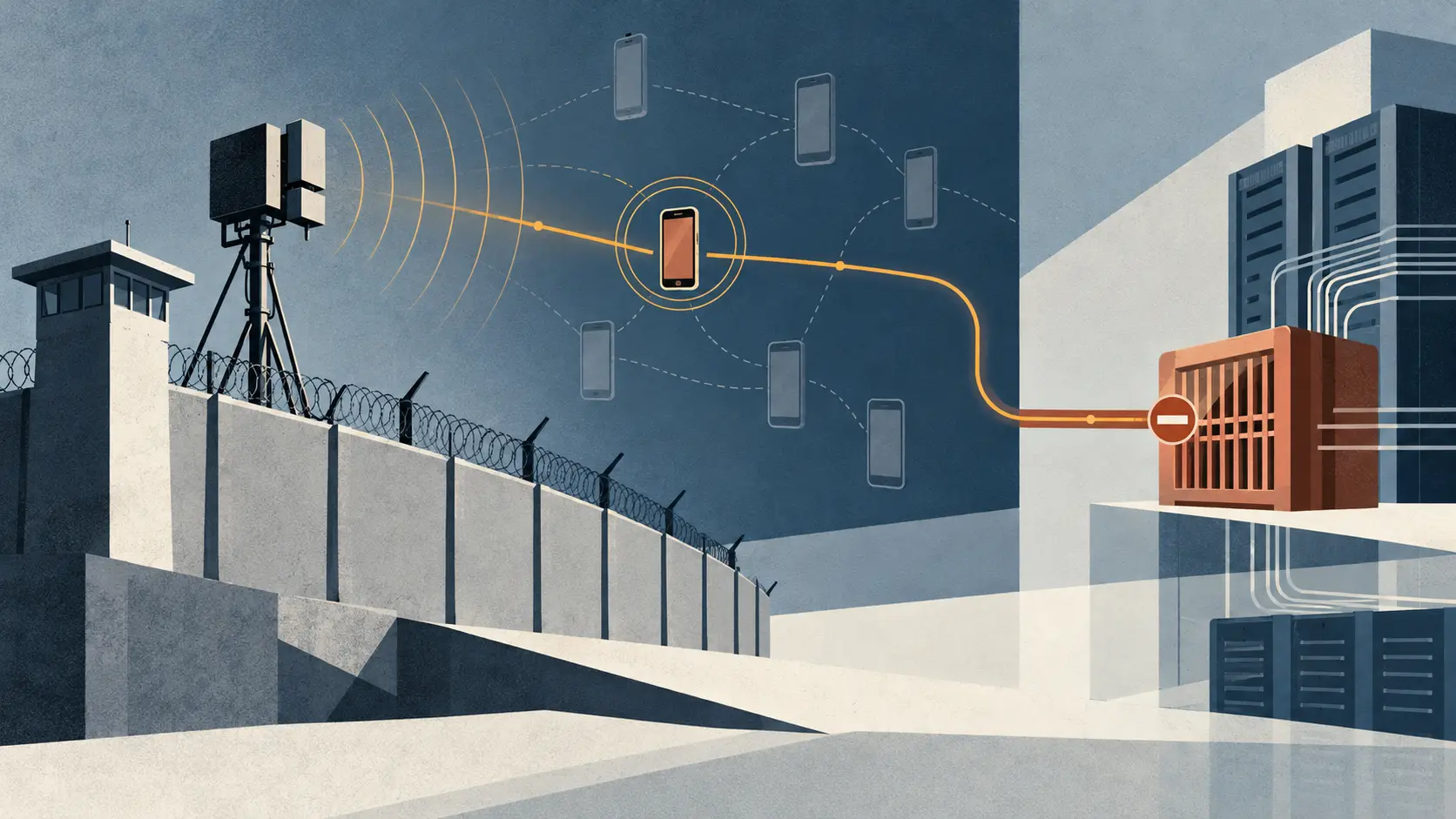
Brazil has blocked 143 prison devices. The audit trail is the next test
The first administrative action under Brazil’s new prison-telecom rules shows that a signal detected inside a prison can become an individual network restriction. The harder question is whether every hand-off—from IMEI identification to carrier execution and correction—can be…

Asia-Pacific National Telecom Trends
Indonesia’s broadband map makes public infrastructure temporary by design
A draft from Indonesia’s communications ministry assigns every planned mobile-broadband area to a village-level zone, then uses the zone to decide whether carriers build alone, build with relief, or share the job with the state. Its most consequential promise is a handoff rule…

Story
AFRINIC lists eight meeting slots through 2030, but its calendar leaves a duration gap
AFRINIC’s public hosting call offers eight meeting opportunities over four years and spells out substantial local obligations. Yet it calls each stand-alone meeting a six-day programme while listing four November windows of three calendar days apiece; its public instructions also…

CASE FILE
The FCA revoked four LIBOR-related bans after convictions were overturned
When the Financial Conduct Authority says criminal convictions formed the basis of its own action, an appeal ruling reaches beyond the courtroom: it also tests how a regulator explains, records and reverses a sanction.

Asia-Pacific Datacenter Trends
Singapore’s infrastructure bill draws two lines for data-centre duties
Singapore’s new framework separates a 3 MW sustainability licence from a 10 MW resilience regime, while large cloud services are measured by Singapore revenue. The hard part now is matching each rule to what operators can actually control.

Asia-Pacific National Telecom Trends
TRAI’s spam rules make network detection evidence, not a verdict
India’s revised commercial-communications rules let telecom operators share AI-flagged numbers and combine those signals with complaints. The protection depends on what happens between the first flag and the final sanction.
Africa National Telecom Trends
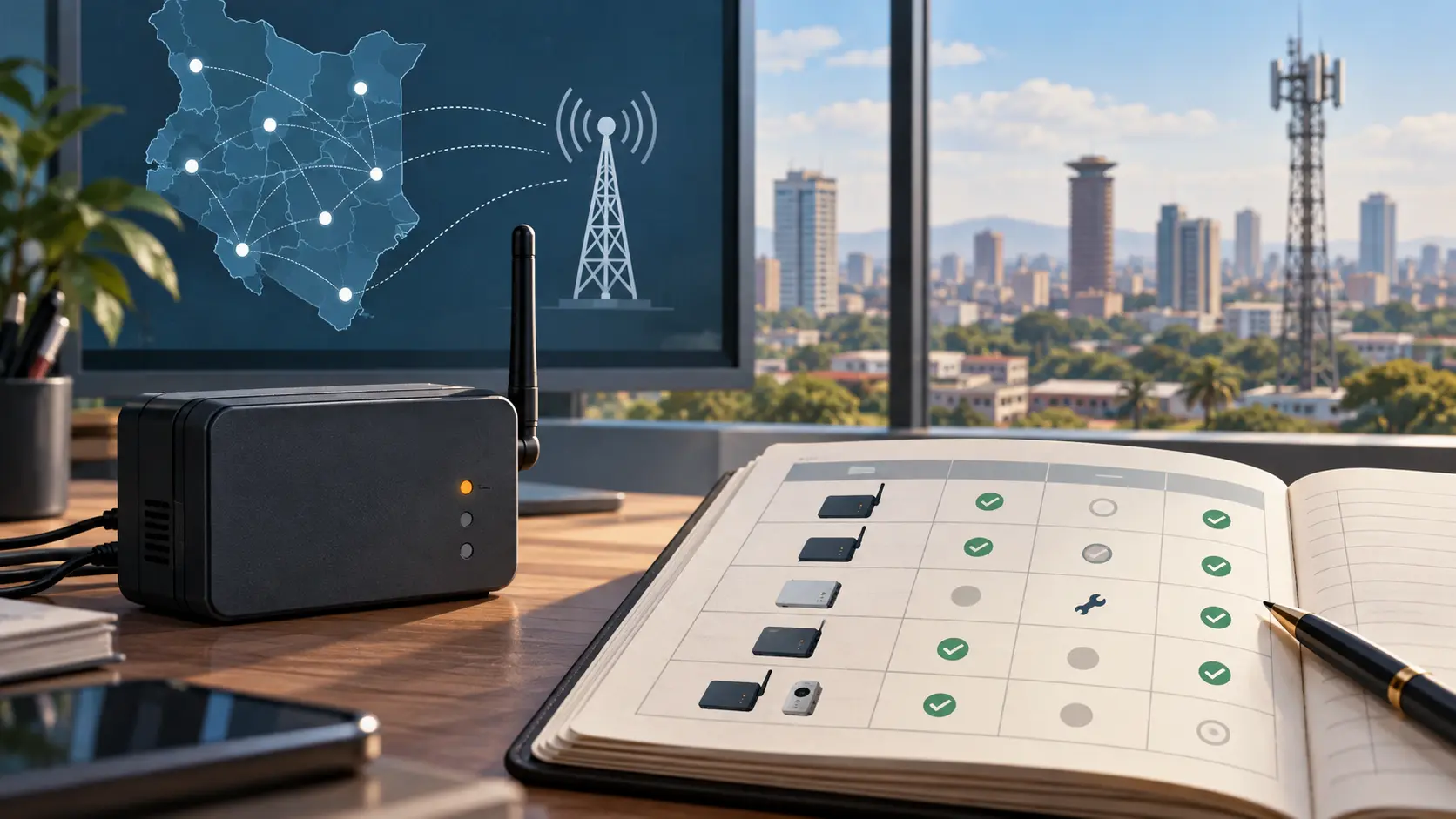
Kenya’s proposed alarm fee turns registered endpoints into the denominator
Kenya’s proposed KES 680 annual oversight fee is a quotient: the regulator’s cost pool divided across registered alarm units. The rate therefore depends on what the register counts—and when a unit stops counting.

CASE FILE
The CMA’s next cloud test is whether access rules travel
The Competition and Markets Authority says AWS and Microsoft have made progress on cloud-switching measures, but uptake remains limited. Its next test is harder: whether customers can carry identity permissions and Kubernetes workloads across providers, then show that voluntary…

Latin America and Caribbean National Telecom Trends
Chile’s cable-removal plan needs a verifiable handoff at every point
Chile approved three plans for legacy telecommunications lines, with 66,226 intervention points on the schedule. The harder test is whether every point can be followed from a mapped pole to completed work and municipal handback.

ICANN
Who Actually Held the Veto on .org? Two Tracks, One Transaction
The proposed transfer of Public Interest Registry ended on 30 April 2020. Three publishers describe that single day through three different instruments, and the difference matters more than the outcome: a consent right in a registry contract is not the same thing as a state…

Africa National Telecom Trends
Smile’s South African licence transfer remains under review
ICASA’s notice sets a public process for Smile Telecoms SA’s proposed transfer of two South African licences to Sporic Solutions. The procedural record now matters: the application, public representations, a reply and a reasoned decision are separate checkpoints, and none…

Latin America and Caribbean National Telecom Trends
Five states, one spectrum bill: ECTEL’s fee reset turns harmonisation into a distribution choice
ECTEL’s consultation proposes a common way to value mobile spectrum across five Eastern Caribbean states. The harder question comes after the valuation: whether each state pays in proportion to population or receives an equal share of the regional allocation. No new rate is in…
North America Datacenter
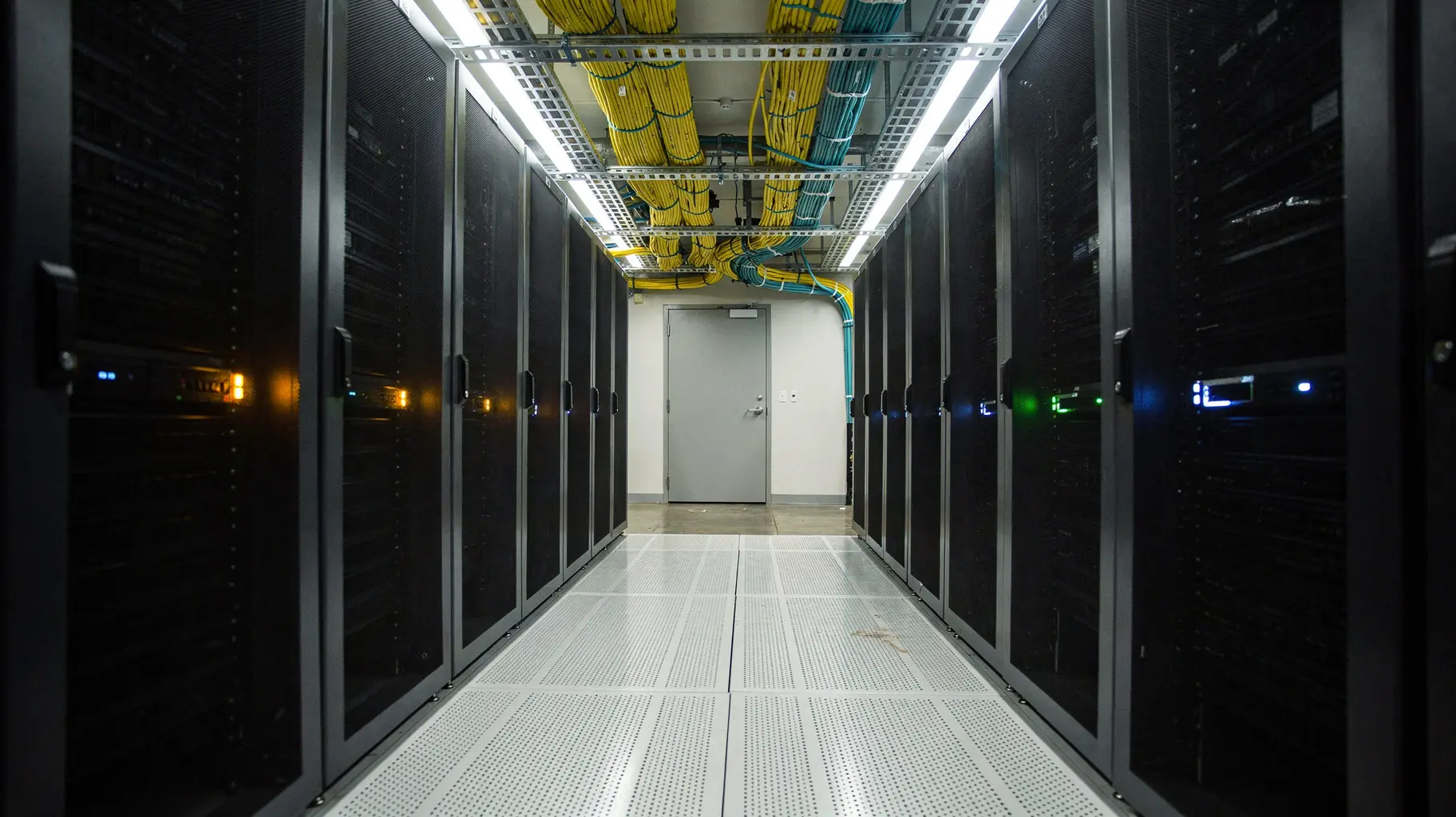
One Port in Honolulu: What the Hawaii Internet Exchange Entry Actually Resolves To
One Port in Honolulu: What the Hawaii Internet Exchange Entry Actually Resolves To intelligence summary explains the development, the public evidence available to readers, the organisations involved, the regional context, market exposure, and the infrastructure consequences that…

Creators
Alan Emtage's Archie: the record stops where the sale should begin
The directory card gives him one line — search technology pioneer — with no role dates, no transfer mechanism and no outcome. The public record adds two dates that do not agree and a company that dissolved, and then it stops exactly where the commercial questions start.

North America National Telecom Trends
Canada’s cyber law has two clocks: telecom powers are live, critical-system duties are not
Bill C-8 put new directions under the Telecommunications Act into effect on Royal Assent. Its separately enacted Critical Cyber Systems Protection Act remains not in force in the latest consolidated text. Treating the two tracks as one regime would misstate what operators must do…

Africa National Telecom Trends
Liberia’s telecom draft makes network exit a shared-access decision
Liberia’s regulator is consulting on rules that join construction, open access and retirement. The hard question is who maintains and pays for a facility that still serves other operators when its owner wants to remove it.