
Impact
Critical
Within the Impact facet, Critical impact intelligence highlights articles where the expected effect level, operational exposure, or decision relevance is comparable. Readers can use the page to separate routine market updates from higher-consequence governance, infrastructure, security, and investment signals that may affect planning, procurement, policy, or customer exposure. The page connects the consequence band to public evidence, related organisations, regional context, operating dependencies, service continuity, competition, investment timing, compliance, and customer risk. It helps readers decide which developments deserve deeper monitoring, which actors are most exposed, and how a signal may affect operations or market planning.
North America Institutional
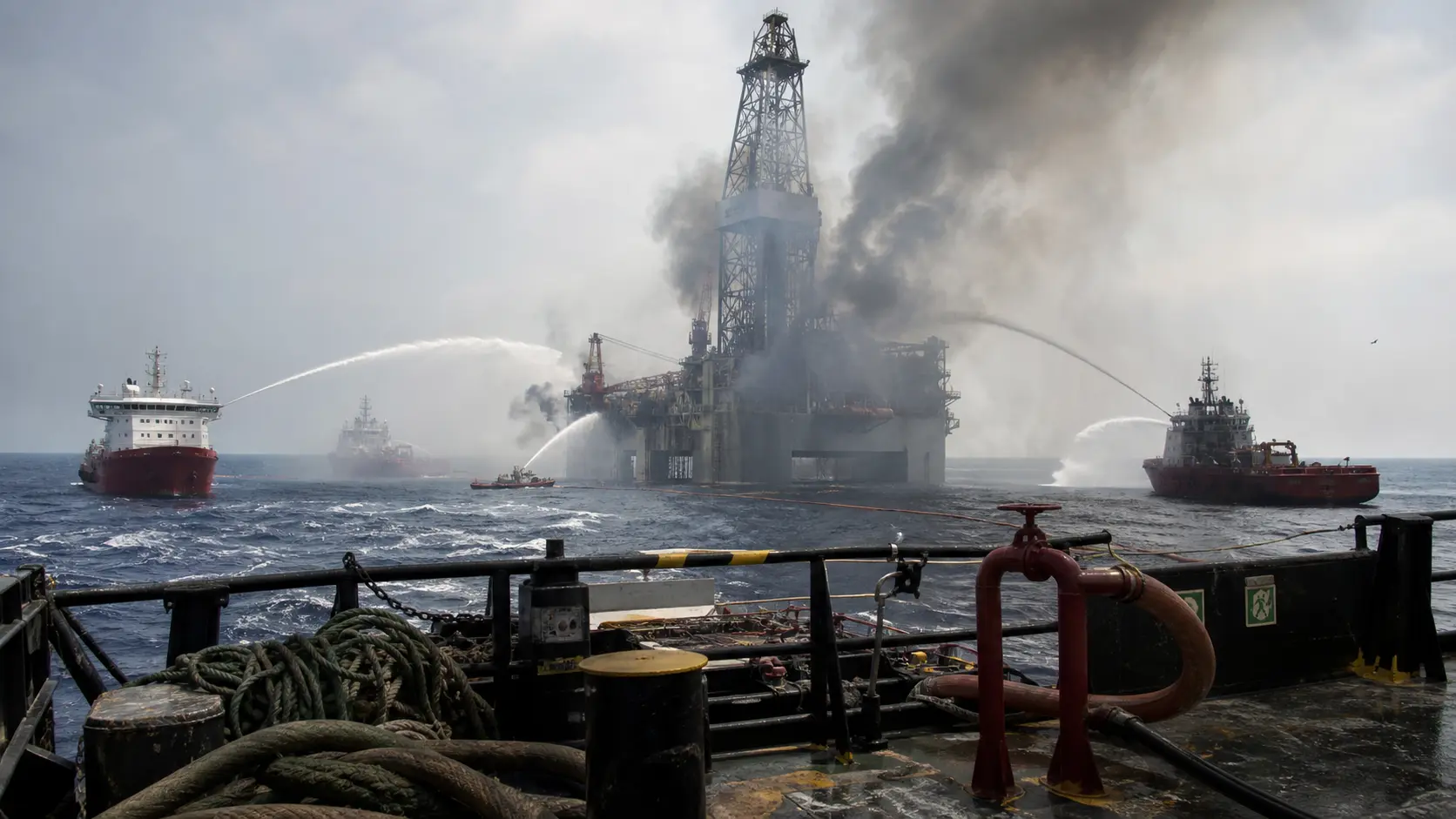
Deepwater Horizon made the Macondo negative-pressure test a well-control accountability test
Macondo was not lost at the instant one gauge moved or one person made one judgment. A fragile cement barrier, an improvised negative-pressure test, poorly integrated contractor controls, late kick recognition, a hazardous diversion path and a blowout preventer that could not…

North America Institutional
Space Shuttle Challenger made O-ring uncertainty a launch-decision accountability test
The loss of Challenger is often remembered as a cold-weather O-ring failure and a single launch-eve reversal. The official record is more demanding. A field joint whose sealing behavior was not fully understood accumulated anomalies across years of tests and flights; contractor…

North America Institutional
Space Shuttle Columbia made foam-strike normalization an organizational-learning accountability test
Columbia was not lost because NASA lacked warning signals. Foam had escaped from external tanks before, a large bipod-ramp loss had occurred on the flight immediately preceding STS-107, launch imagery showed the new strike, engineers sought better images, and the in-flight…

North America Institutional
Winter Storm Uri made Texas weatherization a grid-market accountability test
Winter Storm Uri was not a contest in which one fuel source failed and another passed. It was a common-mode failure across generation, natural-gas production and delivery, demand forecasting, critical-load mapping, market settlement, emergency communication and public…

North America Institutional
East Palestine made wayside detection and emergency response a rail-safety accountability test
A bearing did not go from healthy to harmlessly hot and then suddenly fail at a detector. It deteriorated while a 17,977-ton train moved through a system that measured external heat, classified the first actionable reading as non-critical, waited for another detector, and gave…

North America Institutional
Lac-Megantic made unattended-train securement a regulatory accountability test
The Lac-Megantic disaster was not the product of one inexplicable act. A parked crude-oil train was left dependent on an invalid hand-brake test, a leaking locomotive air system and operating practices that lacked an independent physical defence against movement. A locomotive…

North America Institutional
Three Mile Island made control-room instrumentation a nuclear-operations accountability test
The Three Mile Island Unit 2 accident was initiated by equipment trouble, but it became severe inside an operating system that repeatedly converted physical evidence into misleading or unusable information. A relief valve remained open while its control-room light implied…
Asia-Pacific Institutional
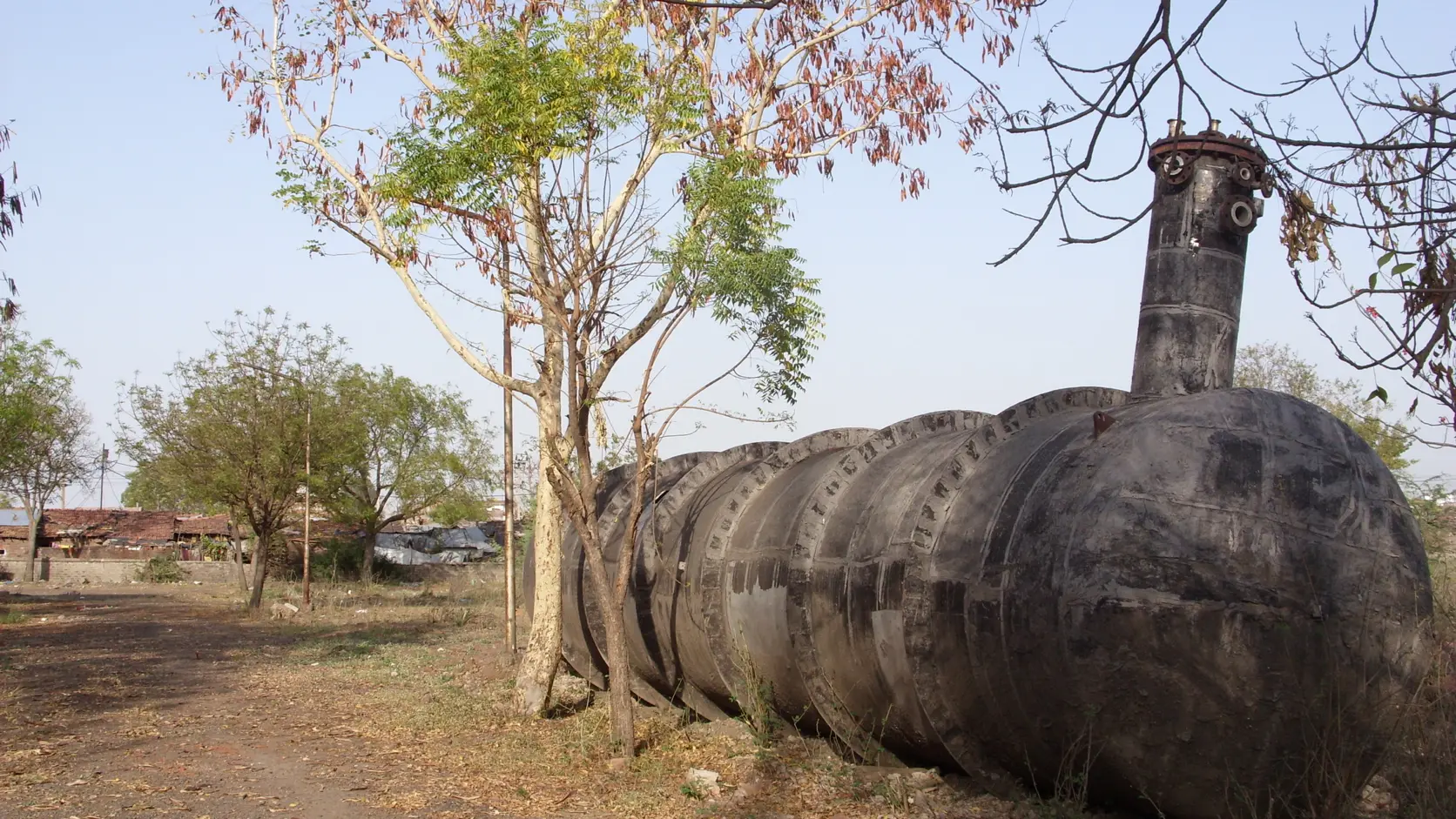
Bhopal made methyl isocyanate containment a process-safety accountability test
Bhopal's physical trigger was water entering a methyl isocyanate tank, but the public catastrophe emerged from a wider loss of control over inventory, maintenance, safeguards, warning, medical evidence and long-term repair. Reconstructing that chain before assigning…
Europe and Middle East Institutional
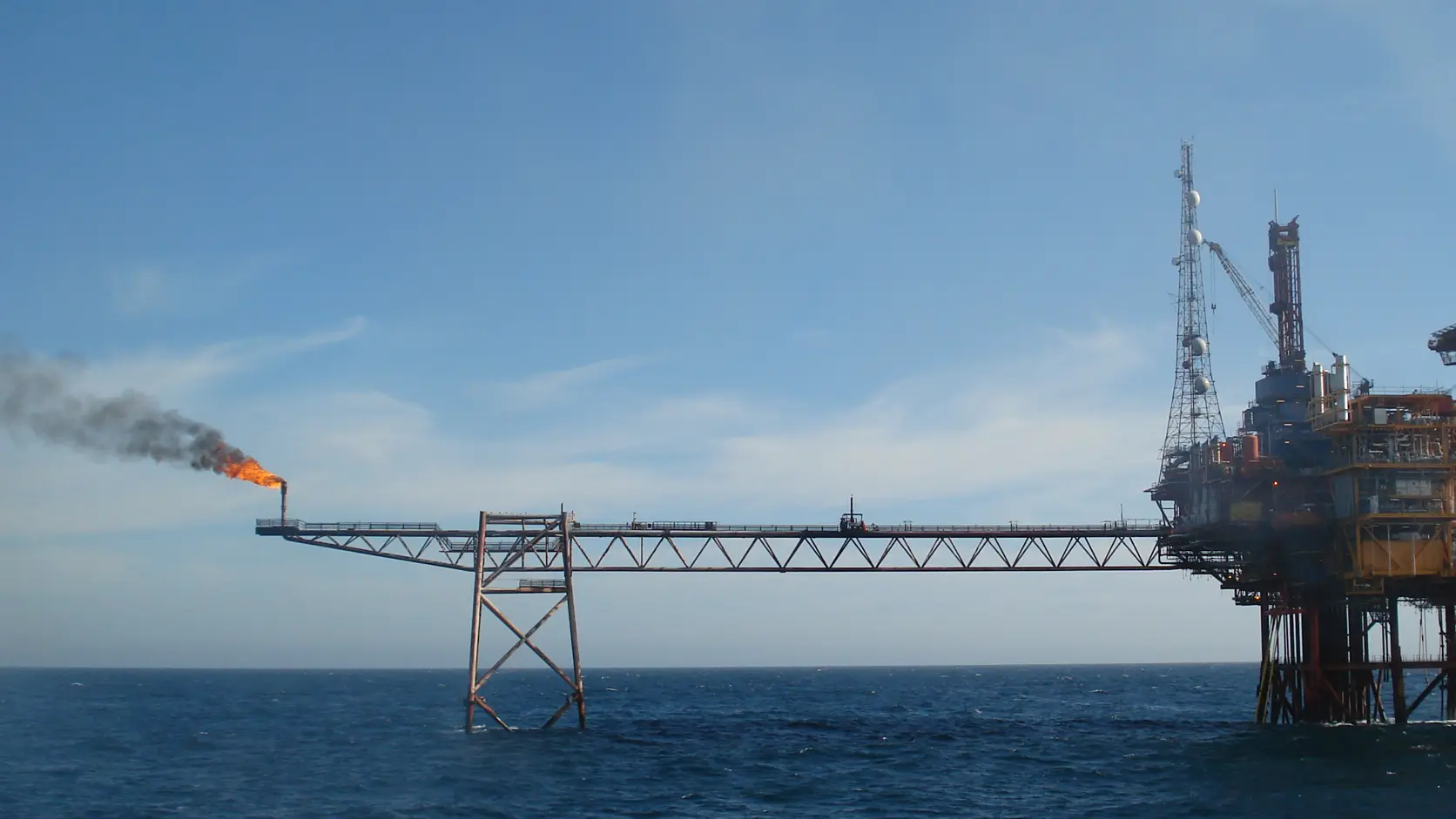
Piper Alpha made permit-to-work handover an offshore-safety accountability test
Piper Alpha was not destroyed because one form went missing. The disaster showed what happens when maintenance status, shift knowledge, production authority, fire protection, pipeline dependencies and emergency command cease to operate as one controlled system. The accountability…

Europe and Middle East Institutional
King's Cross made escalator maintenance and emergency response a transit-safety accountability test
The 1987 King's Cross Underground fire began as a small, survivable ignition beneath a wooden escalator and became a mass-fatality disaster in about 20 minutes. The public inquiry found not one inexplicable failure but a connected control breakdown: combustible and contaminated…

Europe and Middle East Institutional
Herald of Free Enterprise made bow-door status a ferry-operations accountability test
The Herald of Free Enterprise did not capsize because a ferry operator lacked a person nominally assigned to close its bow doors. It capsized because an open-door departure remained possible after earlier warnings, because the bridge had neither a positive closure report nor a…
Global Institutional
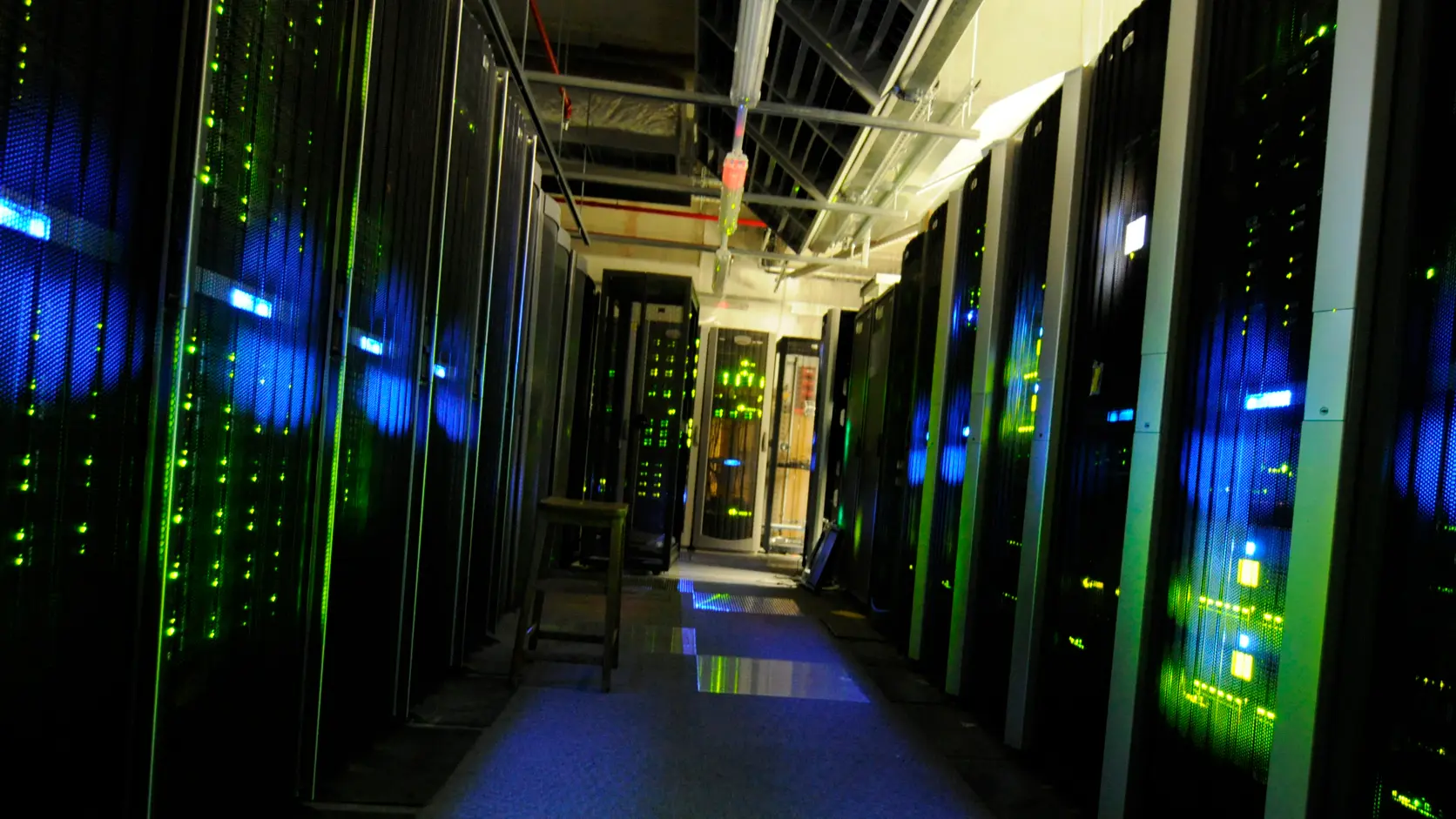
Heartbleed made shared cryptographic maintenance a systemic-dependency accountability test
Heartbleed was a small bounds-checking error inside a widely shared cryptographic library, but its accountability footprint extended far beyond one function or one project. The defect could expose process memory without authentication, while reliable historical exploitation…

North America Institutional
Nasdaq's Facebook IPO failure made order matching a market-infrastructure accountability test
Facebook's May 2012 market debut did not fail because an exchange stopped matching orders altogether. It failed because one special-purpose cross entered a cancellation-driven calculation loop, operators launched modified software before they understood the state it would use…

North America Institutional
Robinhood's March 2020 outages made change management a retail-trading accountability test
Robinhood's breakdown during volatile markets was not one undifferentiated outage. The 2-3 March failure followed an overload and cascade; the 9 March interruption followed an untested protocol change combined with a coding error. The durable accountability question is why a…

Asia-Pacific Institutional
Tokyo Stock Exchange made hardware failover a market-continuity accountability test
Tokyo Stock Exchange did not lose an entire trading day on 1 October 2020 merely because one memory card failed. The card failed inside a redundant shared-disk device; the configured standby did not take over; market-data and market-control functions shared that dependency; and…

Europe and Middle East Institutional
British Airways made data-centre power recovery a passenger-continuity accountability test
British Airways' May 2017 disruption began with a power failure at its primary data centre and became a three-day test of whether an airline could recover the digital operating fabric behind check-in, flight dispatch, baggage, customer communication and rebooking. The public…

Global Institutional
Boeing 737 MAX made MCAS certification a transport-safety accountability test
Boeing 737 MAX MCAS is a risk and accountability case because two fatal crashes, a global grounding, public investigations, criminal-resolution records, regulator return-to-service actions, and continuing safety-governance scrutiny showed how safety-critical automation can shift…
Global Institutional
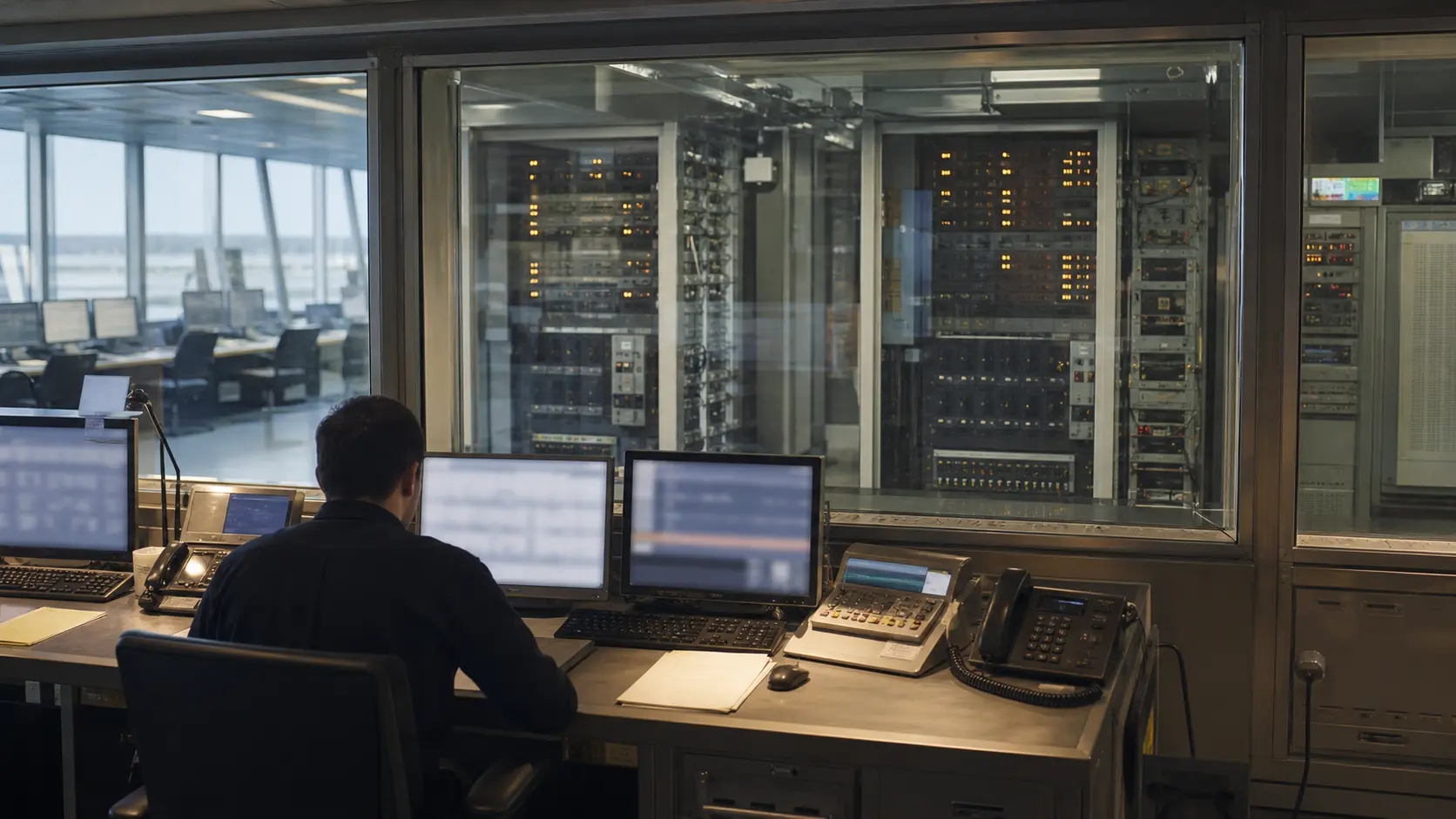
NATS made a rare flight-plan message a common-mode air-traffic accountability test
A valid flight plan with an unusual combination of route attributes stopped automated processing in both the primary and secondary UK flight-plan systems on 28 August 2023. Safety was preserved by restricting traffic, but the fallback could handle only a small fraction of normal…
Global Institutional
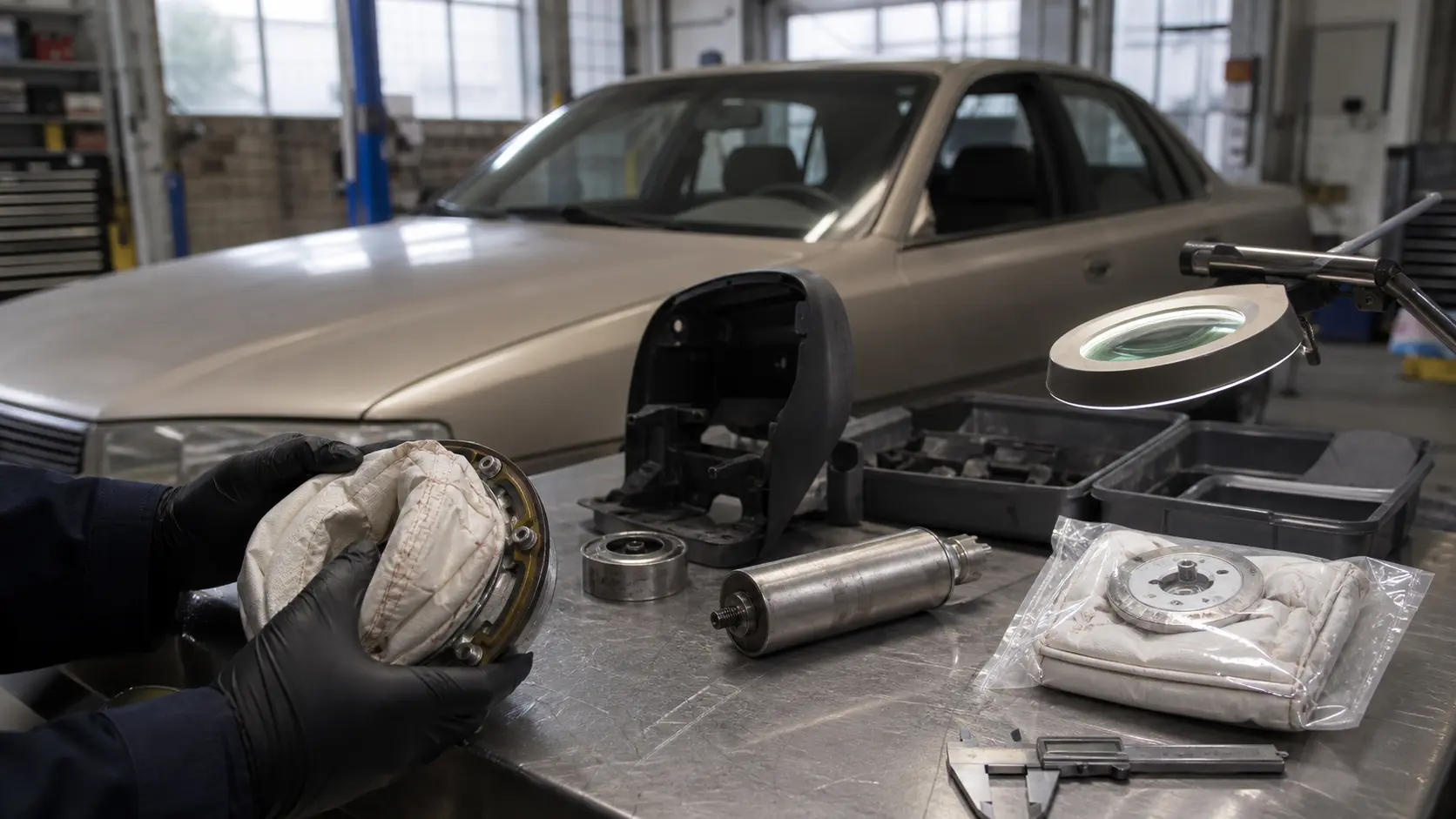
Takata made airbag inflators a lifecycle safety accountability test
The Takata recall shows why accountability for a safety-critical component cannot end at shipment, first repair notice, bankruptcy, or a high aggregate completion rate. It must follow the hazard from design and validation through environmental aging, field detection, disclosure…

North America Institutional
BP Texas City made process-safety cost discipline an accountability test
The 2005 Texas City refinery explosion is an accountability case about what happens when startup discipline, instrumentation, maintenance, facility siting, staffing, hazard escalation, capital allocation, and executive oversight are treated as separate concerns even though they…