
Impact
Critical
Within the Impact facet, Critical impact intelligence highlights articles where the expected effect level, operational exposure, or decision relevance is comparable. Readers can use the page to separate routine market updates from higher-consequence governance, infrastructure, security, and investment signals that may affect planning, procurement, policy, or customer exposure. The page connects the consequence band to public evidence, related organisations, regional context, operating dependencies, service continuity, competition, investment timing, compliance, and customer risk. It helps readers decide which developments deserve deeper monitoring, which actors are most exposed, and how a signal may affect operations or market planning.

North America Institutional
WIPP made waste characterization and ventilation defense a nuclear-repository accountability test
The 2014 Waste Isolation Pilot Plant release was not simply a drum failure deep underground. It was a failure to preserve chemical knowledge as waste moved from generation and treatment through characterization, certification, shipment, acceptance and emplacement, followed by…
North America Institutional
West Fertilizer made ammonium-nitrate storage and land-use separation a community-safety accountability test
The West Fertilizer disaster shows why ammonium-nitrate accountability cannot stop at ignition attribution: storage conditions, responder information, land-use separation, insurance capacity and verified reform all determine whether a facility fire stays inside the fence.

North America Institutional
Upper Big Branch made ventilation, rock dust and enforcement a mine-safety accountability test
The Upper Big Branch explosion was not an unavoidable feature of underground coal mining. On 5 April 2010, a methane ignition developed into a coal-dust explosion across a large part of the mine, killing 29 miners and seriously injuring two. Federal and West Virginia…

Europe and Middle East Institutional
Buncefield made tank overfill protection and secondary containment a process-safety accountability test
Buncefield was not simply a tank that overflowed or an alarm that failed. It was a transfer-control system in which a sticking gauge, an inoperable independent switch, inconsistent filling practice, weak fault history, demanding workload, deficient contractor control, permeable…
North America Institutional
El Faro made hurricane routing and delegated vessel inspection a maritime-safety accountability test
El Faro became an accountability test because avoiding Hurricane Joaquin depended on more than one captain reading one forecast. Current weather had to reach the bridge in a usable form; officers had to challenge a deteriorating plan; TOTE Services had to monitor a…

North America Institutional
NECC made sterile compounding and split oversight a patient-safety accountability test
The 2012 fungal meningitis outbreak linked to contaminated preservative-free methylprednisolone acetate from New England Compounding Center exposed a control problem larger than one dirty room. Sterility evidence, lot release, environmental monitoring, prescription boundaries…

North America Institutional
Exxon Valdez made tanker navigation and spill preparedness an environmental-accountability test
The Exxon Valdez grounding became an environmental-accountability test because control was distributed long before oil reached the shore. Exxon Shipping Company controlled master fitness, manning, watchkeeping expectations and the vessel's bridge; public authorities controlled…

North America Institutional
Alaska Airlines 261 made jackscrew lubrication and inspection a maintenance-accountability test
Alaska Airlines flight 261 was not a story of a crew simply losing control of a serviceable airplane. It was the terminal result of progressive wear in a flight-critical trim assembly, limited public evidence lubrication, inspection intervals that removed opportunities to find…
Europe and Middle East Institutional
Swissair 111 made in-flight fire isolation and material certification an aviation-safety accountability test
Swissair Flight 111 became an aviation-safety accountability test because a hidden fire crossed boundaries that the aircraft, its supplemental systems, its material standards, its circuit protection, its procedures and its certification structure had treated separately. The…

Europe and Middle East Institutional
Chernobyl made reactor design, operating discipline and emergency disclosure a nuclear-accountability test
The destruction of Unit 4 at the Chernobyl Nuclear Power Plant was not only a failed turbine rundown test or a sequence of operator errors. It was the exposure of an assurance system that allowed hazardous reactor characteristics to remain poorly disclosed, made compliance…

North America Institutional
Enron made mark-to-market accounting and related-party controls a corporate-governance accountability test
Enron's collapse was not proof that fair-value measurement or special-purpose entities are inherently corrupt. It was a test of whether valuation judgments, entity boundaries, conflicts, cash-flow presentation, debt exposure and executive claims could be challenged before…
North America Institutional
Mount Polley made tailings storage design and independent review a mining-accountability test
The Mount Polley tailings-storage-facility breach was not a mystery that can be reduced to one missed reading, one rainy season, or one regulator who failed to spot an obvious crack. The independent engineering panel traced the initiating failure to a weak glaciolacustrine…

Europe and Middle East Institutional
The UK infected blood scandal made treatment safety and state disclosure a public-health accountability test
The infected blood scandal became a public-health accountability test because preventable treatment hazards were allowed to travel through donor selection, pooled-product manufacture, procurement, clinical choice and transfusion practice; because patients were too often denied…

Europe and Middle East Institutional
Manchester Arena made venue security and emergency coordination a public-safety accountability test
The Manchester Arena attack became an accountability test not because every terrorist act can be predicted or prevented, but because the public depended on several organisations to recognise a shared space, translate a known national threat into local controls, act on a specific…

North America Institutional
WorldCom made line-cost capitalization and audit challenge a financial-reporting accountability test
WorldCom's accounting failure was not caused by an obscure rule that nobody could apply. It became an accountability test because recurring network-access costs were moved away from current expense, reserve and revenue entries were used to protect predetermined results, large…

North America Institutional
Purdue Pharma made opioid marketing and bankruptcy release a public-health accountability test
On May 1, 2026, Purdue Pharma stopped operating. That sentence sounds final in a way the underlying accountability story is not. The medicines, manufacturing assets and regulatory obligations did not disappear. They moved into Knoa Pharma, a new public-benefit company owned by an…

North America Institutional
Wells Fargo made unauthorized accounts a sales-incentive accountability test
Wells Fargo's unauthorized-account scandal was not a story of a few employees defeating an otherwise sound control system. It was a prolonged institutional failure in which product goals, performance management, weak consent evidence, fragmented complaints, constrained risk…

Global Institutional
Volkswagen made the diesel defeat device a software-governance accountability test
Volkswagen's diesel emissions case became a software-governance accountability test because engine code did not merely support a regulated product: it changed the truth of the product's compliance representation according to the conditions under which that representation was…

Global Institutional
Boeing 787 battery fires made thermal-runaway containment a certification accountability test
Two lithium-ion battery events in nine days exposed a gap between the safety proposition certified for the Boeing 787 and the behavior of its installed batteries. The first produced fire in a parked Japan Airlines aircraft at Boston; the second forced an All Nippon Airways 787 to…
Asia-Pacific Institutional
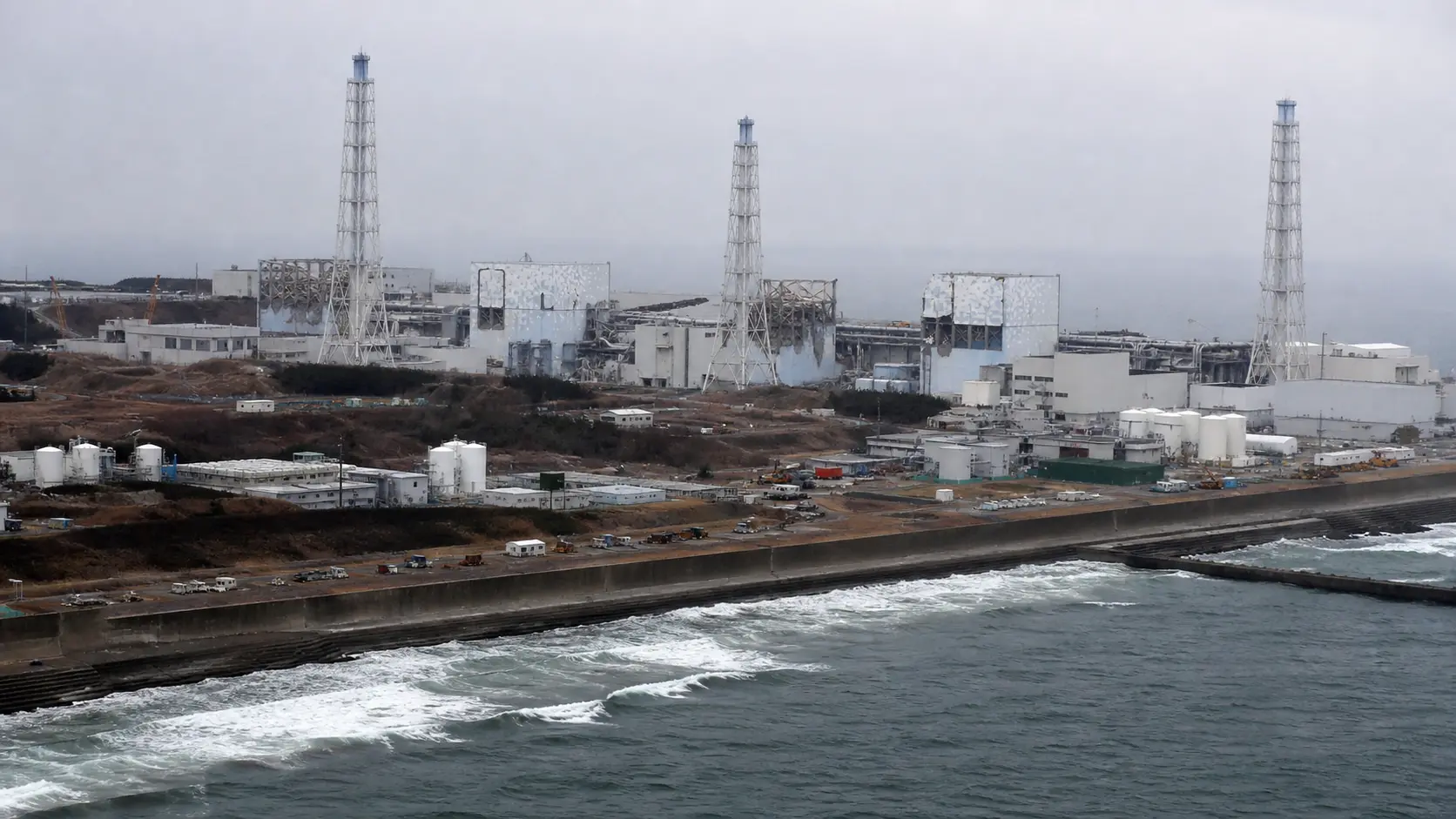
Fukushima Daiichi made station-blackout preparation a nuclear-safety accountability test
The Fukushima Daiichi accident began with an extraordinary earthquake and tsunami, but its accountability meaning lies in what happened after a predictable class of safety functions was lost. Flooding disabled electrical distribution, emergency power, instrumentation and heat…