
Impact
Critical
Within the Impact facet, Critical impact intelligence highlights articles where the expected effect level, operational exposure, or decision relevance is comparable. Readers can use the page to separate routine market updates from higher-consequence governance, infrastructure, security, and investment signals that may affect planning, procurement, policy, or customer exposure. The page connects the consequence band to public evidence, related organisations, regional context, operating dependencies, service continuity, competition, investment timing, compliance, and customer risk. It helps readers decide which developments deserve deeper monitoring, which actors are most exposed, and how a signal may affect operations or market planning.
North America Institutional
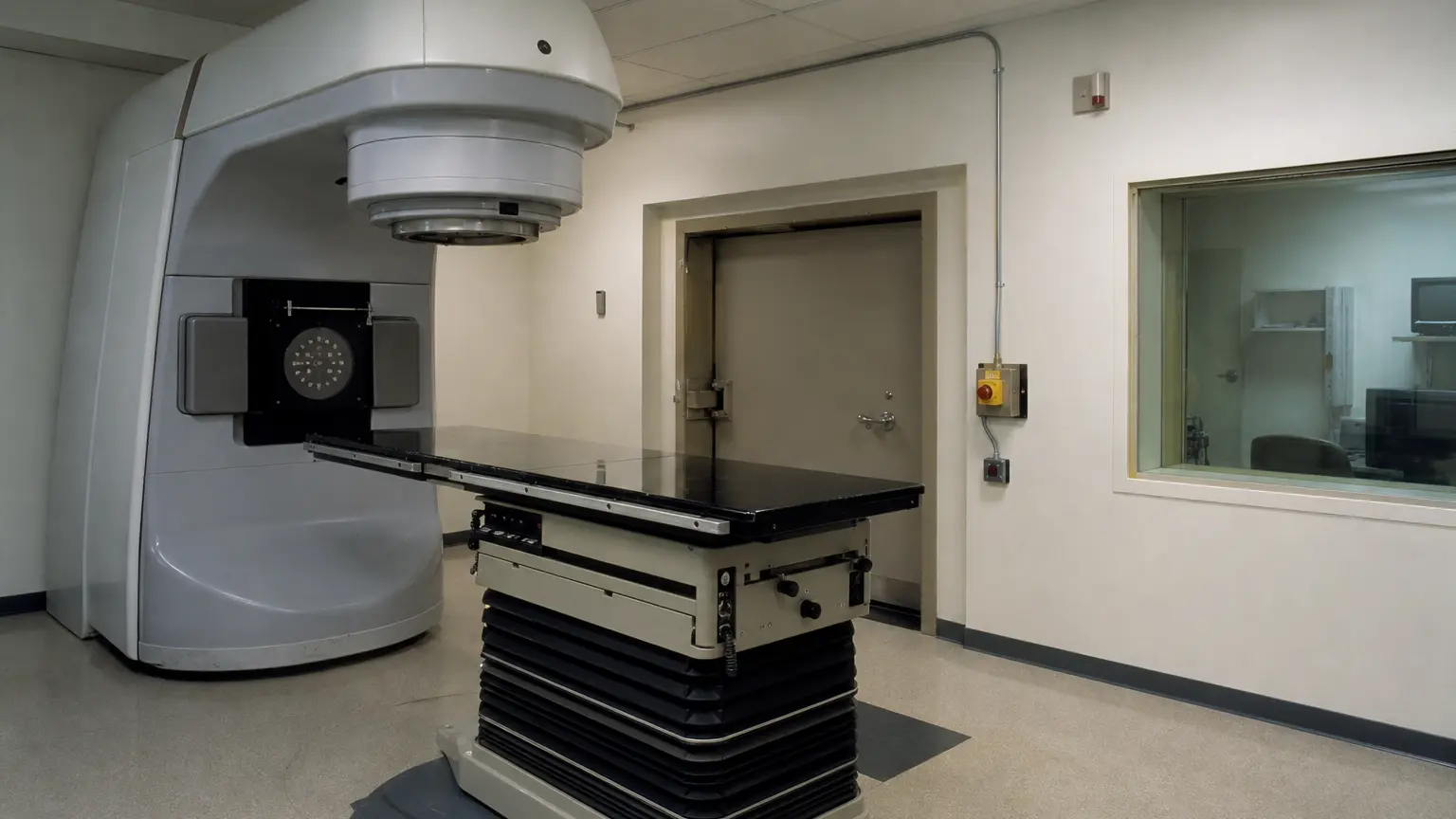
AECL Therac-25 made software-dependent interlocks a medical-device safety accountability test
The Therac-25 radiation overdoses are often compressed into a cautionary story about two programming defects. The public record supports a harder conclusion. Timing-sensitive software paths were direct triggers in three well-understood accidents, but catastrophic exposure became…
North America Institutional
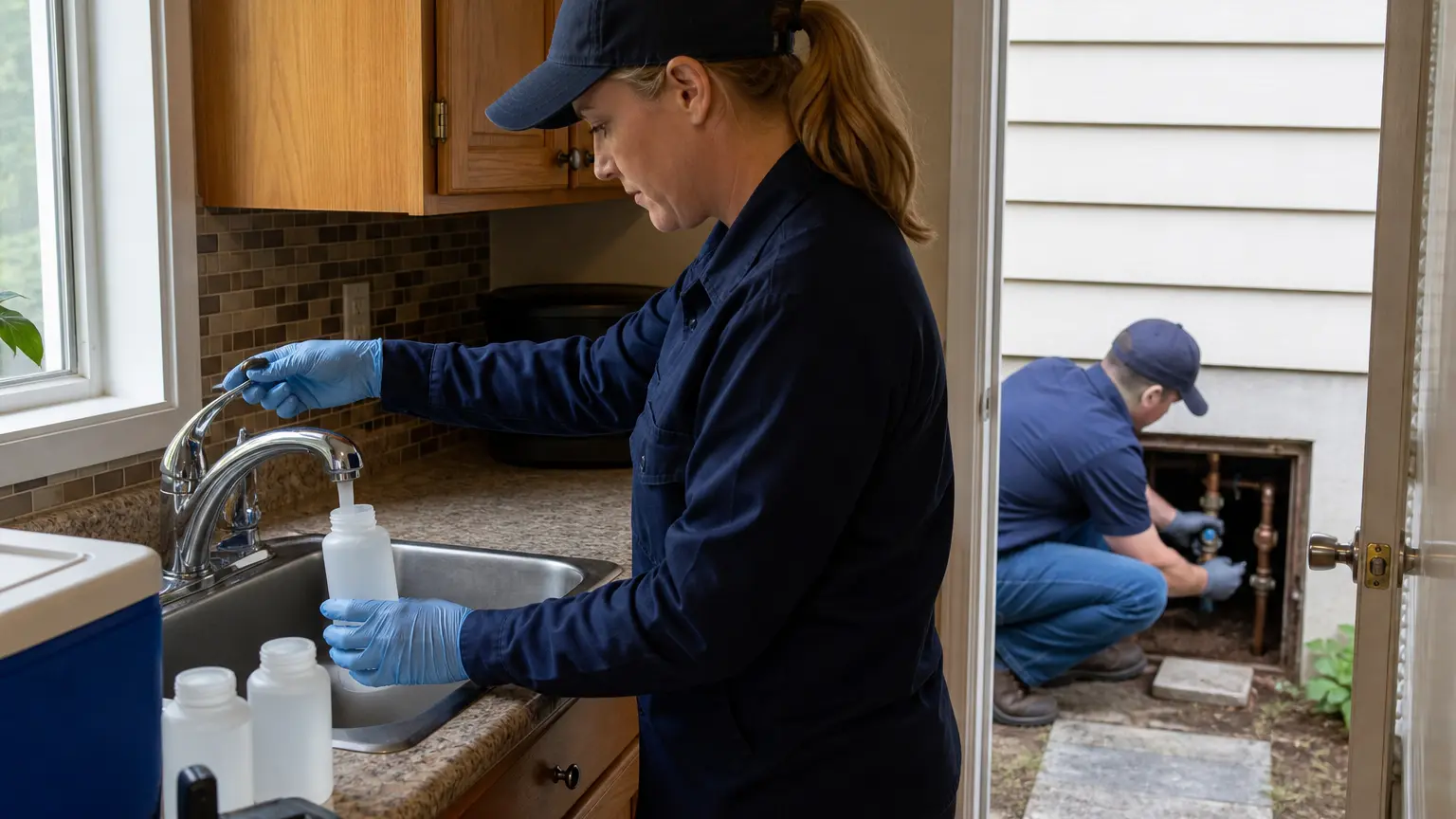
Flint's water crisis made corrosion control a public-water accountability test
Flint's water crisis was not an unavoidable consequence of old pipes or a single mistaken laboratory result. A state-controlled city changed water source, an unprepared plant distributed water without the corrosion control that had protected the network, and the institutions with…

CASE FILE
Grenfell Tower made combustible cladding a building-safety accountability test
The Grenfell Tower fire is an accountability case because a small domestic fire became a building-wide catastrophe through an external-wall system assembled by many organisations, approved through a fragmented regulatory structure and installed around homes whose residents had…

Global Institutional
Vale Brumadinho made tailings-dam stability declarations an independent-assurance accountability test
Dam B1 did not fail for want of signatures. It failed after a long record of marginal stability, incomplete risk communication and paid assurance had been compressed into declarations that travelled farther through Vale, the regulator and the market than the uncertainty beneath…
Global Cloud Services
SolarWinds made detection delay the missing edge of supply-chain accountability
The SolarWinds record is usually remembered as a signed-update compromise, but its harder accountability lesson is temporal: a trusted software factory was altered, customers were exposed, the public learned of the risk only after a third-party victim found it, and later repair…

Global National Telecom
Rogers made carrier control-plane fragility a public-service accountability problem
Rogers' July 2022 outage began inside a carrier routing change, but its accountability record belongs to everyone who discovered that phone calls, debit payments, emergency access, municipal operations, transport coordination, wholesale service, and small-business continuity…

Global Cloud Services
Kaseya made managed-service detection delay a downstream accountability problem
The Kaseya VSA ransomware incident showed that detection delay in a managed-service control plane is not contained at the vendor or provider layer. When the product that administers many customers becomes the delivery path, small businesses and public bodies can inherit notice…

Global Cloud Services
Maersk showed how NotPetya could move revenue continuity into operational control
NotPetya did not need to seize ships to damage Maersk's business. By making identity, booking, terminal, cargo-information, and customer channels unreliable, destructive malware turned revenue continuity into an operational-control question: who could keep the shipping network…

Global Institutional
NHS WannaCry made old software a common-mode public-service dependency
WannaCry is remembered as ransomware, but the NHS accountability lesson is wider: old operating systems, uneven patching, local trust variation, and unclear ownership turned a known software weakness into a shared public-service dependency that could cancel care across many…

Global Cloud Services
Dyn made DNS dependency a revenue-continuity accountability problem
The October 2016 attacks against Dyn showed that a business can keep its servers running and still lose public reachability when DNS resolution fails upstream; the accountability question is who had practical control over provider concentration, DDoS absorption, failover design…

Global Institutional
CISA made Log4Shell repair a proof problem, not a patch slogan
Log4Shell was not only an emergency vulnerability. It was a public test of whether governments, vendors, cloud providers, software suppliers, and customers could prove that a deeply embedded component had been found, fixed, mitigated, monitored, and kept from returning through…
Global Cloud Services
CrowdStrike made endpoint content updates a common-mode dependency test
The July 2024 Falcon incident turned a security update into a global continuity event, showing how a trusted endpoint control can become a synchronized failure path when validation, staged release, operating-system recovery, and customer communication do not keep pace with the…

Global Institutional
Ireland HSE made ransomware recovery a verifiable-repair accountability test
The 2021 ransomware attack on Ireland's Health Service Executive showed that restoring healthcare IT is only the first duty after a national public-health disruption. The harder accountability test is proving what changed in segmentation, backups, identity, monitoring…

Global Institutional
ICRC made humanitarian data protection a safety-accountability problem
The ICRC cyberattack showed that humanitarian data is not ordinary customer data. When information about missing people, separated families, detainees, migrants, and people receiving humanitarian protection is exposed, the accountability question becomes safety: who controlled…

Global Institutional
Fujitsu made Horizon defect disclosure a supplier-candor accountability test
Fujitsu's role in the Horizon scandal shows that a supplier can shape public harm even when another institution owns the prosecution decision. The accountability question is whether defect logs, remote-access records, expert evidence, support knowledge, and contract escalation…

Global Institutional
NHS WannaCry made local patch governance a care-cancellation accountability test
WannaCry did not turn NHS cyber risk into a patient-safety issue in May 2017; it revealed that the issue was already there. The outbreak made local patch decisions, unsupported-system exceptions, national alerting, diagnostic-device constraints, and cancelled-care records part of…

Global Institutional
Ireland HSE made ransomware recovery reporting a clinical-continuity accountability test
Ireland's 2021 HSE ransomware attack made recovery reporting part of care delivery. The public did not only need to hear that servers were being restored. Patients, clinicians, hospitals, public bodies, and taxpayers needed to know which services were safe, which manual processes…

Global Cloud Services
Microsoft Storm-0558 made log retention and token proof a cloud-accountability test
Microsoft Storm-0558 is a risk and accountability case because the accountability issue is that cloud customers cannot independently reconstruct provider-side token failures unless the provider preserves, exposes, and explains the logs needed for proof. The public record matters…

Global Institutional
UnitedHealth made Change Healthcare claims flow a care-finance accountability test
UnitedHealth is a risk and accountability case because the accountability issue is that a clearinghouse outage can become a care-finance crisis when small practices and pharmacies cannot convert delivered care into timely payment. The public record matters for patients…
Global Cloud Services
CrowdStrike made detection speed and disclosure sequencing part of endpoint accountability
The Falcon outage is usually remembered as a defective content release that crashed Windows hosts. The sharper accountability question is what the world could see in the minutes and hours after the release: how quickly CrowdStrike detected the crash pattern, when it understood…