
Primary Domain
Infrastructure
Within the Primary Domain facet, Infrastructure intelligence groups reporting by primary domain so readers can follow a focused area of internet infrastructure, governance, connectivity markets, or digital capital. The page brings together related articles, public evidence, institutions, companies, people, regional exposure, operating dependencies, and market context that may otherwise sit across separate category pages. It explains the domain, the likely actor class, the market or governance context, and the source material readers should use when comparing signals. Operators, analysts, and governance readers can see how the same domain appears across events, profiles, market shifts, public-source evidence, regional dependencies, and longer-cycle infrastructure decisions over time.

History
The Registry and the RFC Disagreed. Running Code Chose the Registry: RFC 3115
In 2001, a standards-track RFC and the IANA registry assigned different numbers to the same Mobile IP extensions. The replacement RFC settled the conflict with an unusually direct fact: implementations were already using the registry values.

History
The Password Matched. The User Was Not Yet Authenticated: RFC 3112
RFC 3112 gave LDAP a way to test a password against a derived value in the directory. It also drew a hard line around the answer: a match could be true while no directory association had authenticated the client.

History
Both Layers Said Forward. They Meant Opposite Directions: RFC 3108
RFC 3108 exposed a problem more dangerous than a missing field: two legitimate control systems used the word “forward” from different origins. A media gateway could receive a perfectly valid traffic descriptor and still have to reverse its direction before using it.

History
The Gateway Lent the Address. Locality Became a Protocol: RFC 3102
Realm Specific IP offered a striking alternative to invisible address translation: let the private host borrow public addressing parameters and place them in its own packets. The address moved into the host, but allocation, lease, policy and return-path control remained at the…

History
DHCP Authentication Stayed Inside the Trust Domain: RFC 3118
RFC 3118 added authentication to DHCP, but not a network-wide identity service. Its delayed exchange assumed that a client and server could receive a shared secret out of band inside one administrative domain—and left the decision to accept an unauthenticated offer to local…

History
Before Consent Became a Checkbox: RFC 3098
RFC 3098 did more than ask Internet advertisers to behave. It turned responsibility into an operating design: do not preselect the audience, tell people how their data will be used, confirm the request with provenance, make removal possible, and keep the cost of maintaining a…
History
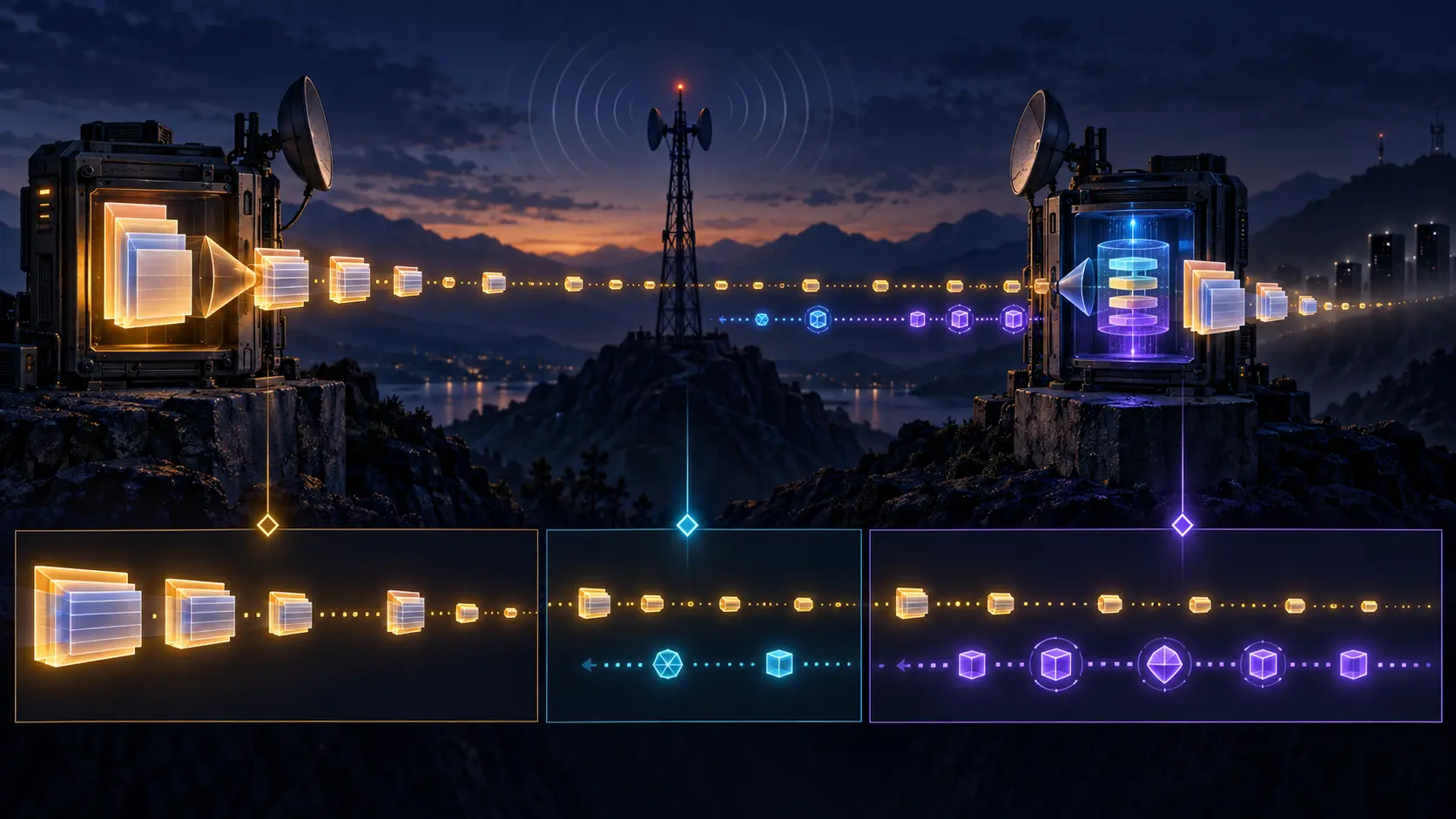
ROHC Began Without a Return Channel: RFC 3095
Before ROHC could trust an acknowledgment, it had to work where no acknowledgment could come back. RFC 3095 therefore made every compression context begin in unidirectional mode, then let the decompressor—not the compressor's optimism alone—request the move to feedback-driven…

History
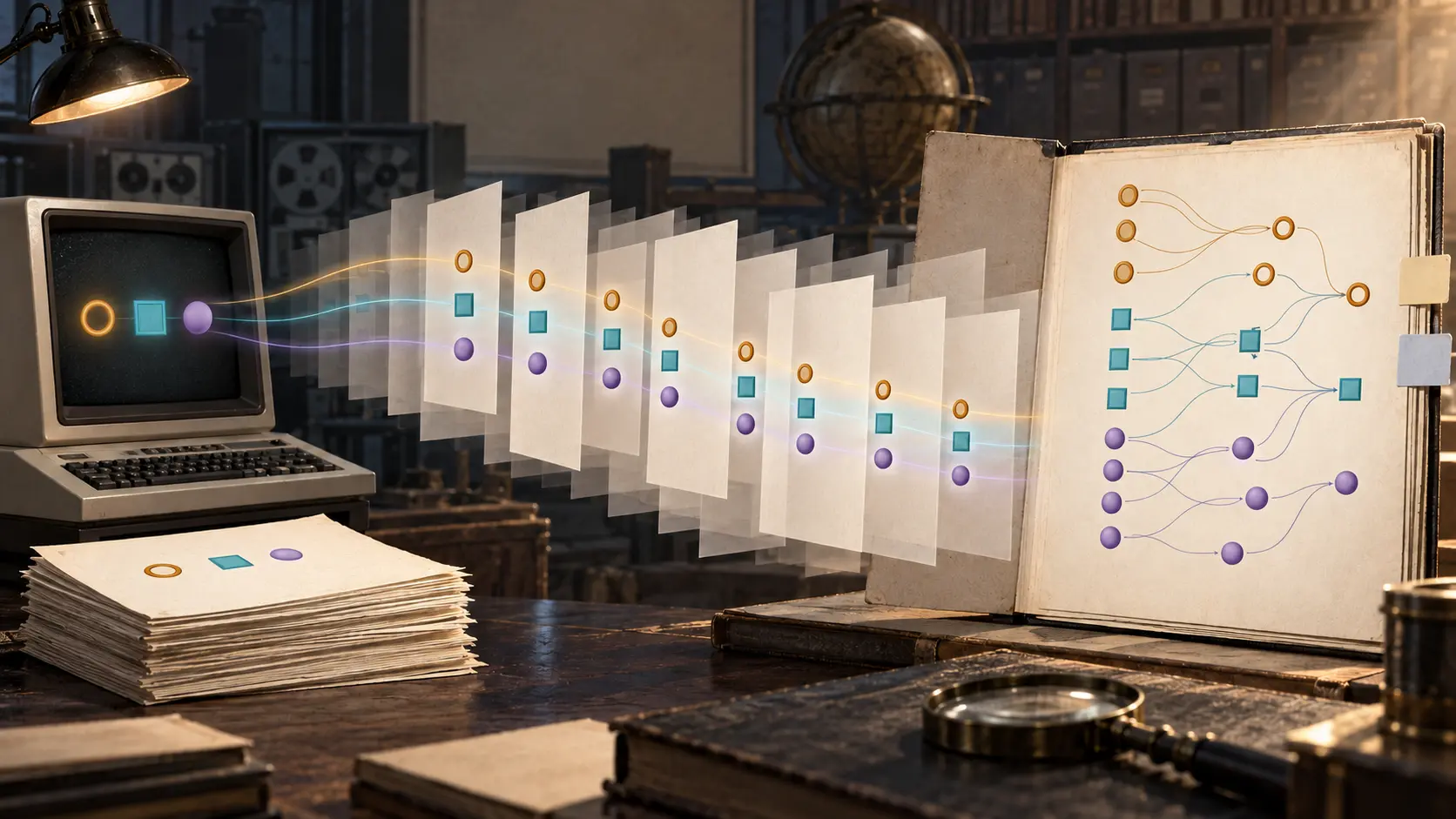
TALI Could Not Assume Its Peer Was Version 2: RFC 3094
Before a TALI 2.0 gateway could send new management operations, it had to learn what the far end understood. RFC 3094 makes that negotiation a protocol rule—and publishes it with an unusually explicit warning that the vendor proposal had not been technically reviewed by the IETF.
History
Foo Entered the RFCs Before the RFCs Explained It: RFC 3092
In December 1971, RFC 269 told a user to rename `FOO` as `BAR` and assumed the example needed no cultural translation. Three decades later, RFC 3092 counted roughly seven per cent of the RFC Series carrying the same private vocabulary. The explanation arrived after the convention…

History
The Pi Multicast Group Was Not an IPv4 Address: RFC 3091
RFC 3091 imagined clients assembling π from a stream, a numbered UDP reply or multicast. Its multicast instructions began with a destination no IPv4 host could join, while the TCP and UDP ports elsewhere in the same document exceeded the fields that carry them.

History
The Firewall Allowed HTTP. It Had Not Approved the Packet Inside: RFC 3093
RFC 3093 proposed putting a complete IP datagram inside an HTTP message, passing it through the ordinary web opening, and reinserting it behind the firewall. Published on 1 April 2001, the comic design exposed a serious limit: a policy decision about an outer envelope says…

History
The Same Zone Was Secure Here and Unsecured Elsewhere: RFC 3090
In 2001, DNSSEC could not answer “is this zone secure?” without first asking who was resolving it, which trust anchor that resolver held, and which path it followed. RFC 3090 named that awkward reality. A signed zone could belong to a local island of security and still look…

History
The Root Returned a Referral, Not the Directory: RFC 3088
In a distributed directory, the first server may know where the next one lives without knowing the answer to the user's search. RFC 3088 made that distinction concrete: OpenLDAP's experimental root service read DNS service records and handed clients LDAP URLs, leaving the…

History
The URI Chose the Voicemail Menu. It Did Not Authenticate the Caller: RFC 3087
In 2001, SIP could carry a call to voicemail without carrying every trustworthy clue that an old telephone system used to choose the first greeting or menu. RFC 3087 turned the request target itself into a service instruction. That solved a routing problem, but it deliberately…

History
The Policy Server Pushed the Rules. A Reconnect Had to Reconcile What the Device Kept: RFC 3084
RFC 3084 tried to make policy provisioning a disciplined conversation between a server and a network device. Its most revealing work began after delivery: a transaction needed a receipt, a failure needed rollback, and a broken connection left two machines that could remember…

History
A Revision Number Could Order a NewsItem. It Could Not Fetch One: RFC 3085
NewsML could let one logical news item live at several addresses, so RFC 3085 gave it one URN and a per-item revision number. The design was precise about which edition came later and what kind of update it represented; it left resolution and validation to a provider that might…

History
The Cable Link Encrypted Traffic. Its Management Plane Could Still Disable Privacy: RFC 3083
RFC 3083 turned DOCSIS Baseline Privacy into something operators could inspect, tune and reset through SNMP. That visibility helped diagnosis and incident response, but it created a second security boundary: the interface that observed encryption state could also change…

History
TCP Was Reliable. One Channel Could Still Starve the Others: RFC 3081
RFC 3081 placed one BEEP session on one TCP connection, then confronted a consequence TCP could not solve for it. Reliable delivery for the connection did not guarantee progress for every application channel inside it. The mapping therefore added local credit, priority control…

History
The Notices Continued After the Directory Agent. New Services Could Still Be Missed: RFC 3082
RFC 3082 tried to replace wasteful polling with event-driven service discovery. Its recovery rules expose a more precise trade-off: a Directory Agent can lose subscription state while service agents already informed of that subscription keep announcing. A new service may enter…

History
One Connection Was Not One Conversation: RFC 3080
A BEEP connection could be healthy while no application conversation had yet been agreed. RFC 3080 began with channel zero, a deliberately thin management plane that advertised profiles and negotiated new channels. Only an accepted profile gave an application channel meaning.…