
Content Type
Analysis
Within the Content Type facet, Analysis intelligence gathers BTW.MEDIA articles that share the same editorial format, helping readers compare briefings, profiles, risk notes, market analysis, and event coverage without mixing different kinds of evidence. The page explains how this content type frames internet infrastructure events, company movements, governance decisions, operational signals, and public evidence across the site. Readers can compare which actors or infrastructure systems appear most often, how source quality changes interpretation, and whether the material is a durable profile, a time-sensitive event, a strategic market signal, or a governance development. The result is a useful search page for operators, investors, customers, analysts, and policy stakeholders who need to understand the consequence, timing, and evidence behind similar article formats.

North America Institutional
Phoenix made payroll-system readiness and employee redress a public-procurement accountability test
Phoenix was intended to modernize federal payroll and consolidate administration. Its failure was not simply a defective software story. It was a governance test of who could define requirements, reject incomplete configuration, demand end-to-end evidence, stop a launch, preserve…

Europe and Middle East Institutional
Air France 447 made automation handoff and stall recovery a flight-deck accountability test
The loss of Air France Flight 447 shows why a technically correct automation disconnect is not an adequate handoff unless the aircraft, operator, training system, and regulator make the new problem understandable and recoverable under surprise.

Global Institutional
Alaska 1282 made door-plug manufacturing records a quality-control accountability test
The opening in the side of Alaska Airlines flight 1282 was the visible failure. The harder accountability question lay behind it: how a safety-critical configuration could be changed on a factory floor without a durable record, restored without the required inspection, accepted…

North America Institutional
Love Canal made hazardous-waste disclosure and relocation a remediation accountability test
Love Canal became a national symbol because buried chemical waste entered the lived space of a neighborhood. Its harder legacy is institutional: disclosure did not prevent incompatible development, evidence of migration did not produce a single agreed health answer, emergency…

North America Institutional
OceanGate made pressure-hull validation and independent review a submersible-safety accountability test
The Titan implosion was not an accountability test because its pressure hull was unconventional. It became one because OceanGate carried people to extreme depth without establishing the as-built hull's strength, durability and safe service life; treated monitoring as a substitute…

Asia-Pacific Institutional
Dali made shipboard electrical integrity and bridge protection a port-safety accountability test
The loss of Baltimore's Francis Scott Key Bridge was not one undifferentiated failure. It was a sequence in which a poorly terminated low-voltage wire, fragile electrical recovery arrangements, a short warning window, unprotected exposure at a bridge pier, and incomplete prior…

North America Institutional
El Faro made hurricane routing and delegated vessel inspection a maritime-safety accountability test
El Faro became an accountability test because avoiding Hurricane Joaquin depended on more than one captain reading one forecast. Current weather had to reach the bridge in a usable form; officers had to challenge a deteriorating plan; TOTE Services had to monitor a…

Global Institutional
JPMorgan's London Whale trades made risk limits and valuation control a bank-governance accountability test
The London Whale episode became a bank-governance accountability test because a portfolio presented as protection against credit stress grew into a concentrated and difficult-to-exit trading position while model changes reduced its reported risk, repeated limit breaches failed to…

Europe and Middle East Institutional
Carillion made contract accounting and public-service continuity an outsourcing accountability test
Carillion's liquidation exposed a control problem larger than one failed contractor: estimates made inside long-term contracts shaped reported profit, cash pressure was distributed through debt and suppliers, warning information did not consistently reach those able to act, and…

North America Institutional
Exxon Valdez made tanker navigation and spill preparedness an environmental-accountability test
The Exxon Valdez grounding became an environmental-accountability test because control was distributed long before oil reached the shore. Exxon Shipping Company controlled master fitness, manning, watchkeeping expectations and the vessel's bridge; public authorities controlled…

North America Institutional
Alaska Airlines 261 made jackscrew lubrication and inspection a maintenance-accountability test
Alaska Airlines flight 261 was not a story of a crew simply losing control of a serviceable airplane. It was the terminal result of progressive wear in a flight-critical trim assembly, limited public evidence lubrication, inspection intervals that removed opportunities to find…
Europe and Middle East Institutional
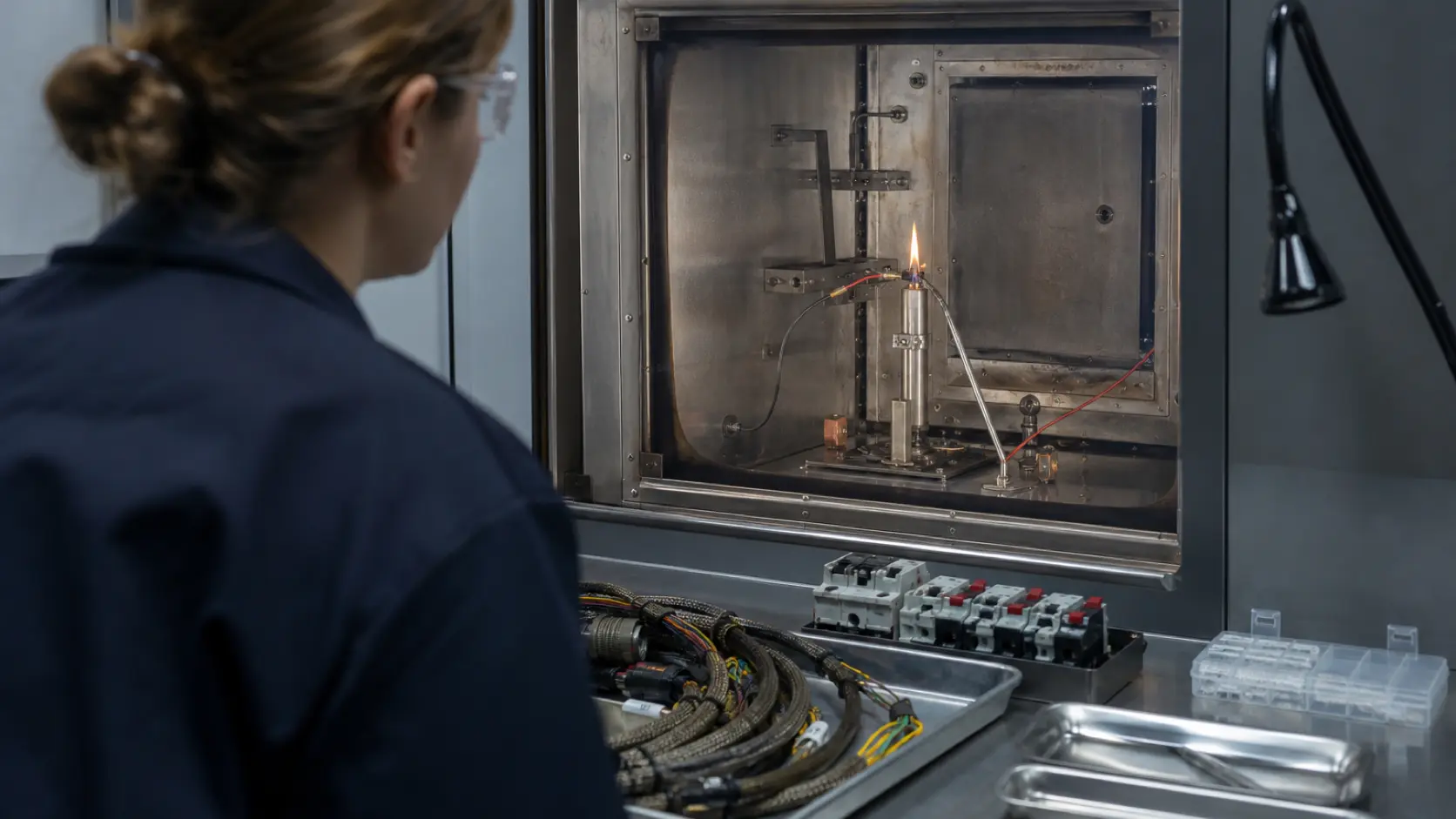
Swissair 111 made in-flight fire isolation and material certification an aviation-safety accountability test
Swissair Flight 111 became an aviation-safety accountability test because a hidden fire crossed boundaries that the aircraft, its supplemental systems, its material standards, its circuit protection, its procedures and its certification structure had treated separately. The…

Europe and Middle East Institutional
Chernobyl made reactor design, operating discipline and emergency disclosure a nuclear-accountability test
The destruction of Unit 4 at the Chernobyl Nuclear Power Plant was not only a failed turbine rundown test or a sequence of operator errors. It was the exposure of an assurance system that allowed hazardous reactor characteristics to remain poorly disclosed, made compliance…

North America Institutional
Enron made mark-to-market accounting and related-party controls a corporate-governance accountability test
Enron's collapse was not proof that fair-value measurement or special-purpose entities are inherently corrupt. It was a test of whether valuation judgments, entity boundaries, conflicts, cash-flow presentation, debt exposure and executive claims could be challenged before…
North America Institutional
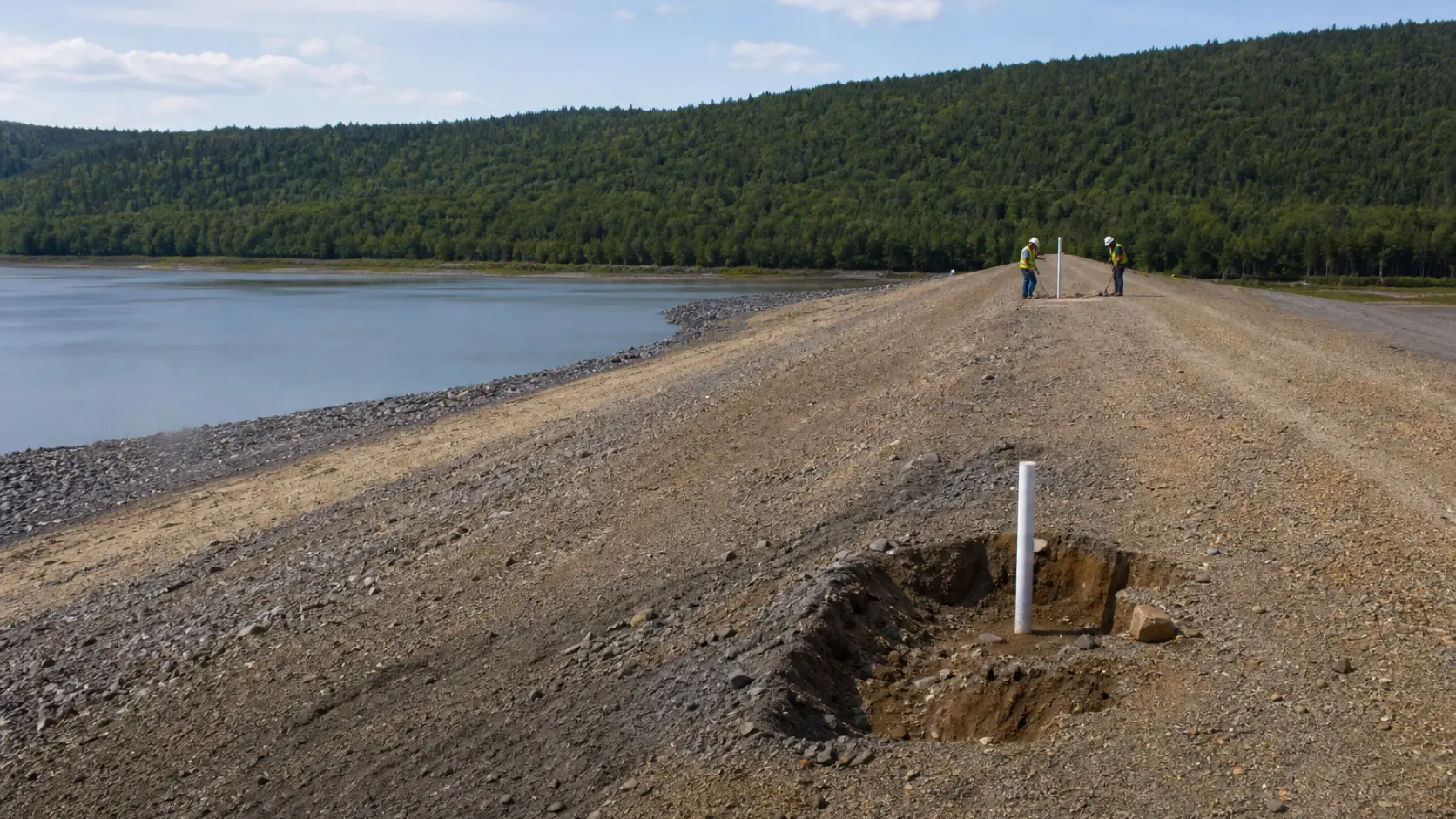
Mount Polley made tailings storage design and independent review a mining-accountability test
The Mount Polley tailings-storage-facility breach was not a mystery that can be reduced to one missed reading, one rainy season, or one regulator who failed to spot an obvious crack. The independent engineering panel traced the initiating failure to a weak glaciolacustrine…

Europe and Middle East Institutional
The UK infected blood scandal made treatment safety and state disclosure a public-health accountability test
The infected blood scandal became a public-health accountability test because preventable treatment hazards were allowed to travel through donor selection, pooled-product manufacture, procurement, clinical choice and transfusion practice; because patients were too often denied…

Europe and Middle East Institutional
Manchester Arena made venue security and emergency coordination a public-safety accountability test
The Manchester Arena attack became an accountability test not because every terrorist act can be predicted or prevented, but because the public depended on several organisations to recognise a shared space, translate a known national threat into local controls, act on a specific…

North America Institutional
WorldCom made line-cost capitalization and audit challenge a financial-reporting accountability test
WorldCom's accounting failure was not caused by an obscure rule that nobody could apply. It became an accountability test because recurring network-access costs were moved away from current expense, reserve and revenue entries were used to protect predetermined results, large…

North America Institutional
Purdue Pharma made opioid marketing and bankruptcy release a public-health accountability test
On May 1, 2026, Purdue Pharma stopped operating. That sentence sounds final in a way the underlying accountability story is not. The medicines, manufacturing assets and regulatory obligations did not disappear. They moved into Knoa Pharma, a new public-benefit company owned by an…

Story
Quantum Migration and the Governance of Registry Keys
The prospect of cryptographically relevant quantum computing creates a real planning problem for the Resource Public Key Infrastructure. RPKI relies on digital signatures to bind a public key to Internet number resources and to validate signed routing entities. Its deployed…