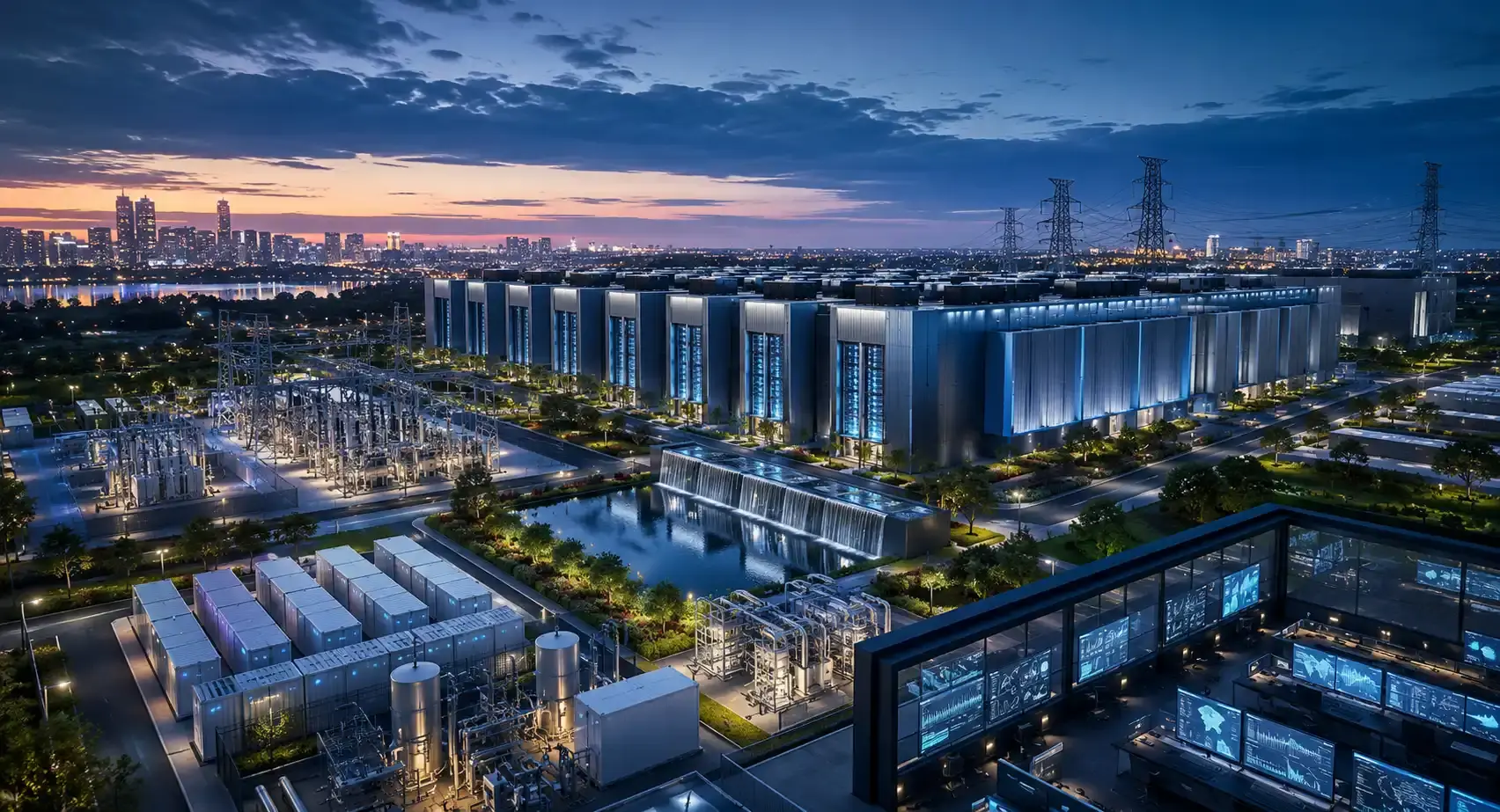
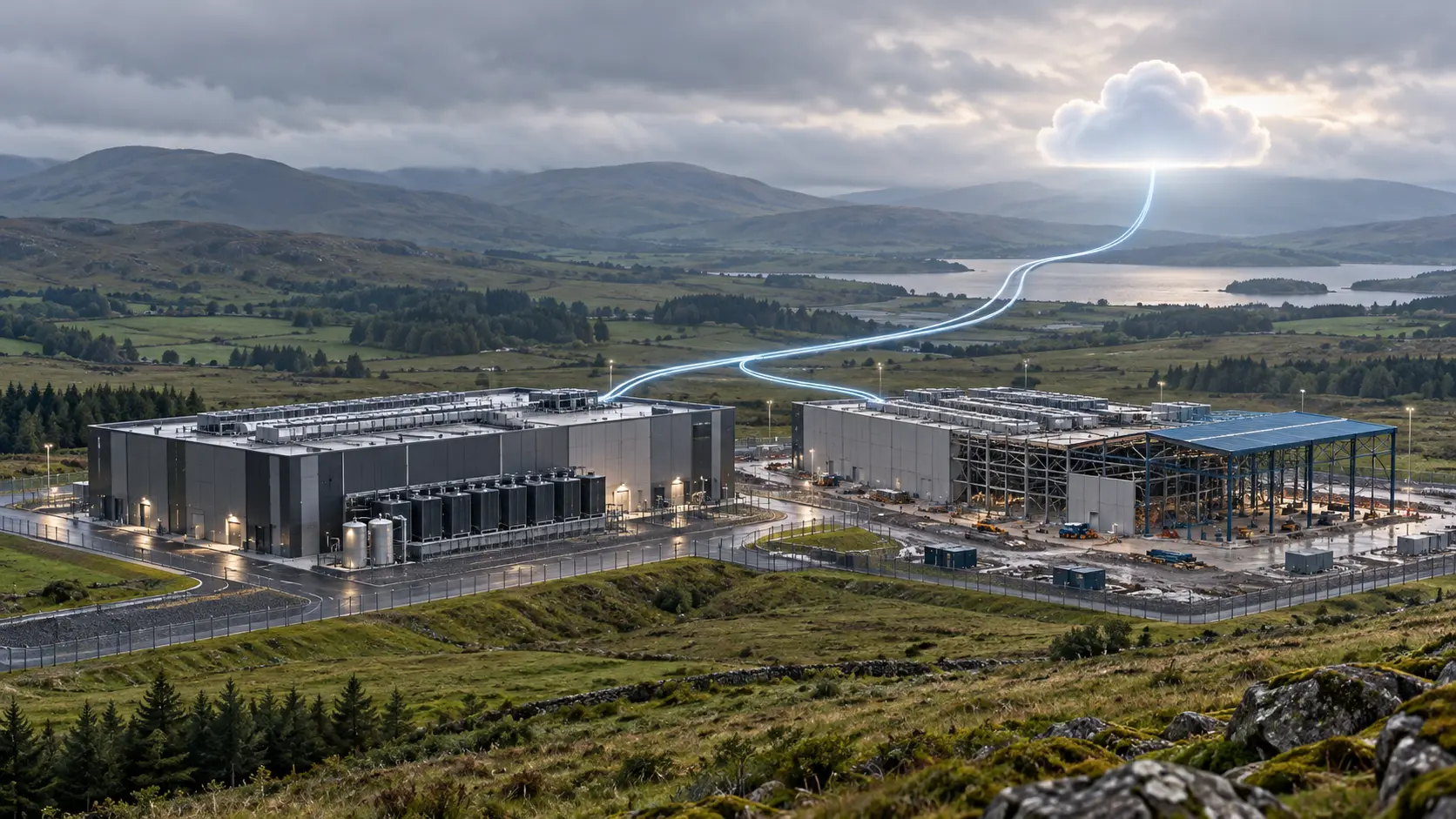
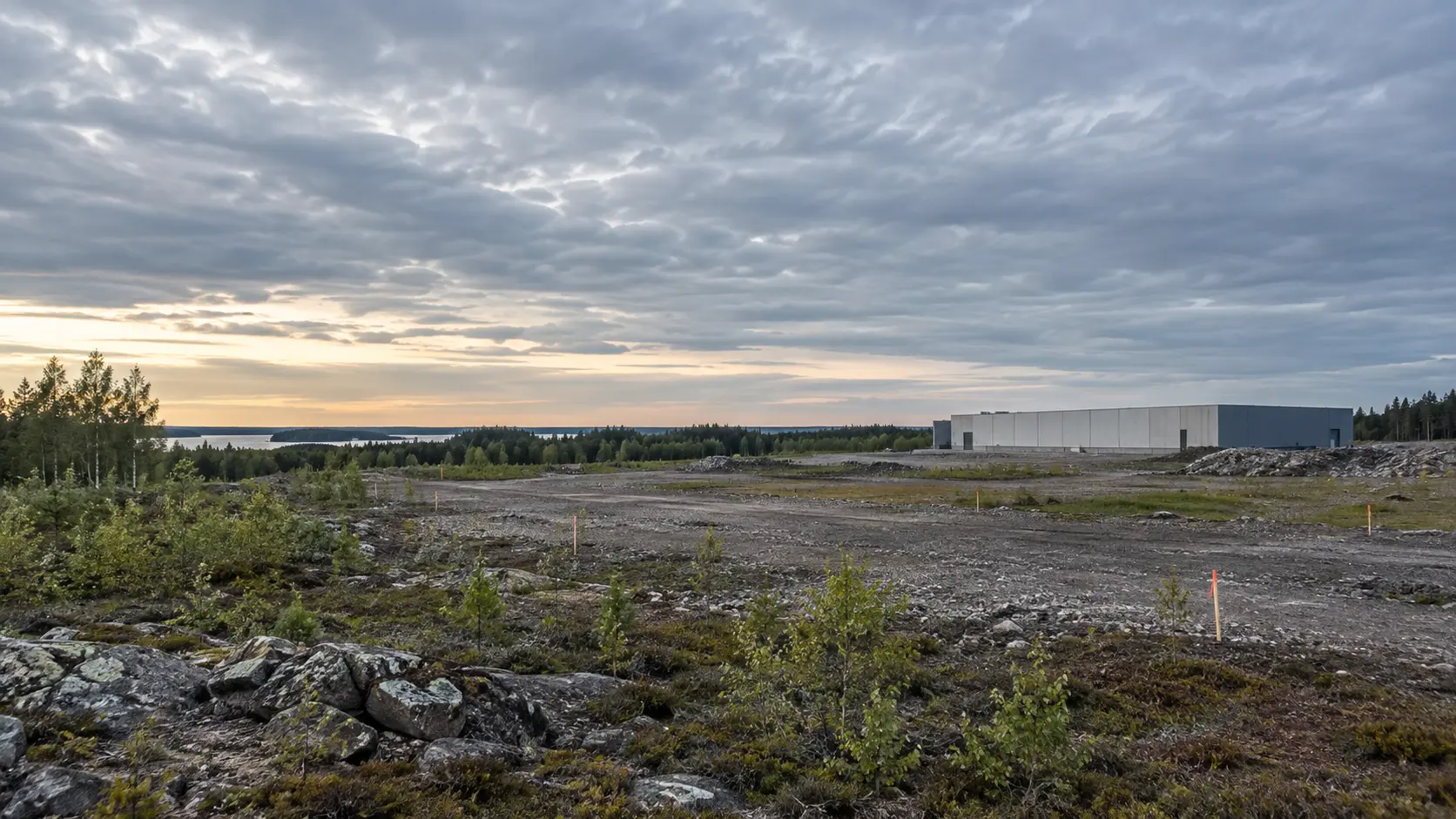
- The approved scheme includes a roughly 50,300 sq m data-centre building, affordable workspace, a training centre and a substation
- Ealing says the project will not use existing local grid capacity, while CyrusOne has not disclosed an energisation date
The fact
Ealing Council’s planning committee has approved CyrusOne’s proposed hyperscale data-centre campus on the former Honey Monster factory site in Southall, west London. The application covers a data-centre building of about 50,300 sq m, affordable workspace including a training centre, a substation, and associated infrastructure. CyrusOne says it plans to invest about £1.5 billion in the site and expects work to begin in 2027, with the campus completed and opened in 2030.
The approval comes amid constraints on electricity infrastructure in west London. Ealing said the project’s electricity capacity will not come from the existing local grid and that applicants must source and reserve capacity outside it. CyrusOne has not publicly given an energisation date for the Southall campus.
The assessment
Approval moves Southall closer to construction, but it does not remove the need to coordinate the building and power programmes. Because the campus is meant to use separately sourced electricity capacity, CyrusOne must line up the external connection, substation and internal electrical systems with the wider build. Construction can be well advanced while the site is still unable to operate if that electrical work is not ready.
The 2030 opening target will depend on the power connection being ready in time for the campus. CyrusOne has not said when that connection will be energised, so the construction timetable alone does not show when the site could begin operating. For BTW readers, the missing detail is the power schedule. Once CyrusOne sets out when the connection and substation will be ready, it will be easier to judge whether the 2030 opening target is realistic.
What to watch
CyrusOne still needs to put dates around the power side of the project. The main points to watch are when the external connection and substation will be delivered and when the site can be energised. Those dates will determine whether the planned 2027 construction start can still support a 2030 opening.