Summary
- BankIt divided long sequences across several input boxes to accommodate the browser limits NCBI reported in 1995.
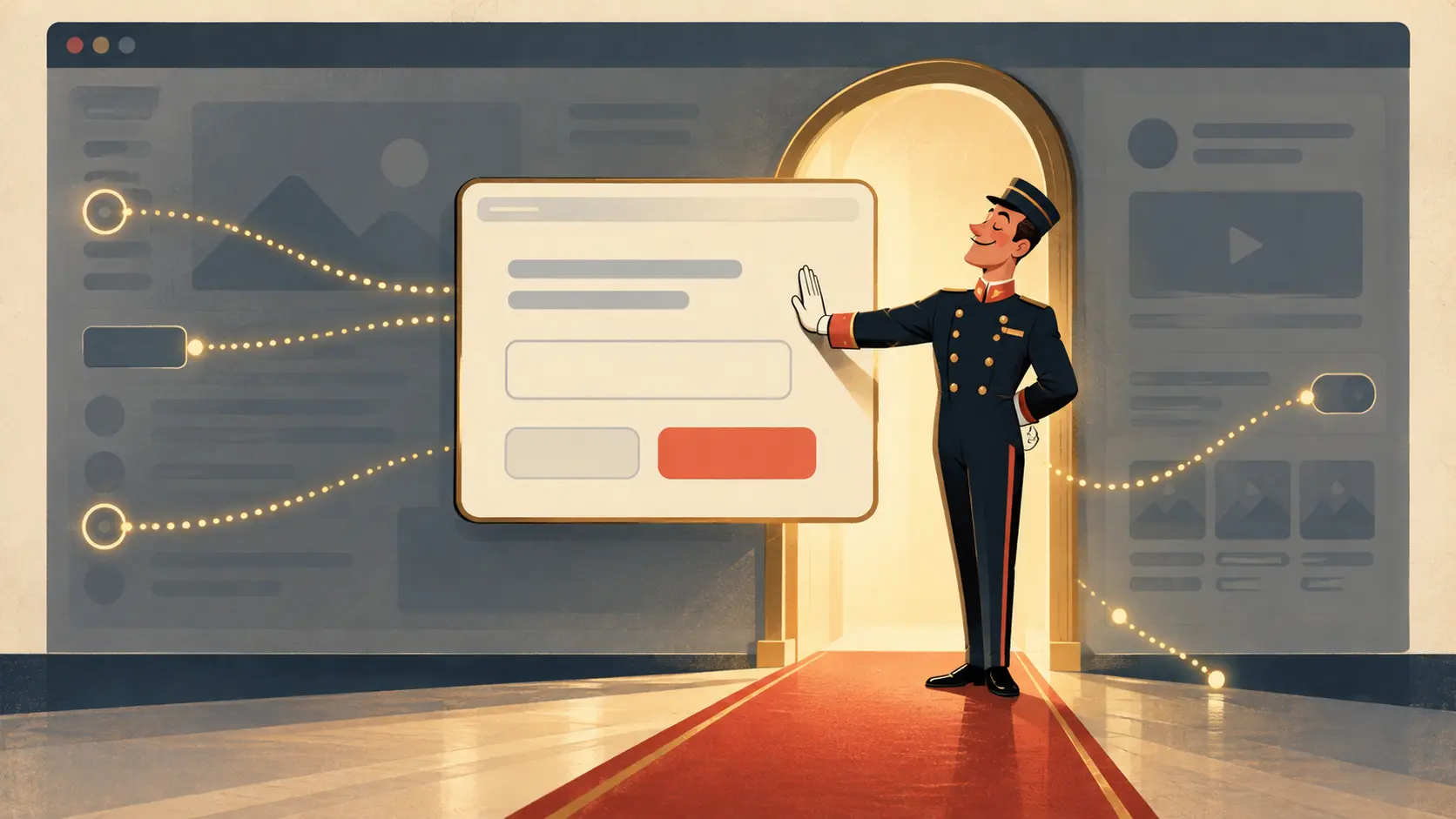
- A saved form, a logged transaction and a completed submission each marked a different stage; staff handled recovery and record checks.
A scientist could have a perfectly respectable stretch of DNA and a browser with very modest ambitions. In September 1995, NCBI reported that most web browsers allowed about 30,000 characters in a single input window. Biology had supplied more text than the box was prepared to entertain.
BankIt’s answer was pleasingly practical: ask how long the sequence was, then provide enough boxes. Each had a capacity described as 30KB. The database submission form became a little row of containers for a larger scientific delivery. This workaround appears in NCBI’s September 1995 newsletter, alongside improvements prompted by users. The early web’s big ambitions came with some very small luggage allowances.
A draft you could actually read
Introduced in February 1995, BankIt gave researchers a browser form for sending sequences to GenBank. They could describe a sequence in ordinary words, add biological annotations and inspect a draft in GenBank’s format before revising and submitting it. Formatting expertise could move out of the researcher’s way. The March launch account also listed compatible browsers: the then-current PC and Mac releases of Mosaic failed the audition.
The front desk was getting easier to use. Behind it, the staff remained busy. That announcement said annotation staff would review a draft and issue an accession number within 24 hours, then continue the biological checks. It described at least three biologists checking each entry, followed by the submitter’s final review. A number could arrive while the checking continued; the workflow had several milestones, each doing a different job.
The browser crashed. The file had a forwarding address.
BankIt also kept a transaction log and assigned a processing ID. A researcher who lost an unfinished submission could give staff that ID; staff could retrieve an HTML copy and email it back for reopening in the browser. A rescue service had taken up residence behind the form.
The March 1996 FAQ specified the decisive event: the user had to have clicked the BankIt button at least once. That click transmitted information to the logs and produced a processing number. Recovery reached back to the transmitted work. The BankIt ID located the submission in progress; the GenBank accession identified the database record. Keeping the right number could save a great deal of retyping.
There was a local escape hatch too. September’s new Save This Form option let people retain an HTML file, resume an unfinished submission or reuse information for similar sequences. Even saving varied by browser: Netscape and MacWeb prompted for a filename, while Unix Mosaic required its own Save As command. The supposedly universal web still asked which browser you had brought.
The button at the finish line
The same newsletter’s most emphatic submission tip concerned a small status choice. Researchers had to change Modify to Submit before their final BankIt click. Completion brought a thank-you on screen and an email acknowledgement. A beautiful saved file could sit on a scientist’s computer while the submission remained unfinished. The receipt was worth reading.
By the close of fiscal 1995, two-thirds of submissions were entering the processing stream through BankIt, according to NLM’s annual report, page 39. That is a striking channel shift for a tool launched that February. Its history lives in the unglamorous fittings: extra boxes, a recoverable copy, a status switch and somebody willing to send your work back when the screen went blank.
Member Briefing
Deeper Profile Context
Sign in with the right membership level to unlock the full briefing and source notes.
Only for Strategic Circle
Strategic Circle
Open to all readers. Unlock profile briefings after joining and signing in.
Join Strategic CircleOnly for Leadership Alliance
Leadership Alliance
For qualified IP-asset owners and management; sign in to unlock alliance briefings.
Join Leadership Alliance