Summary
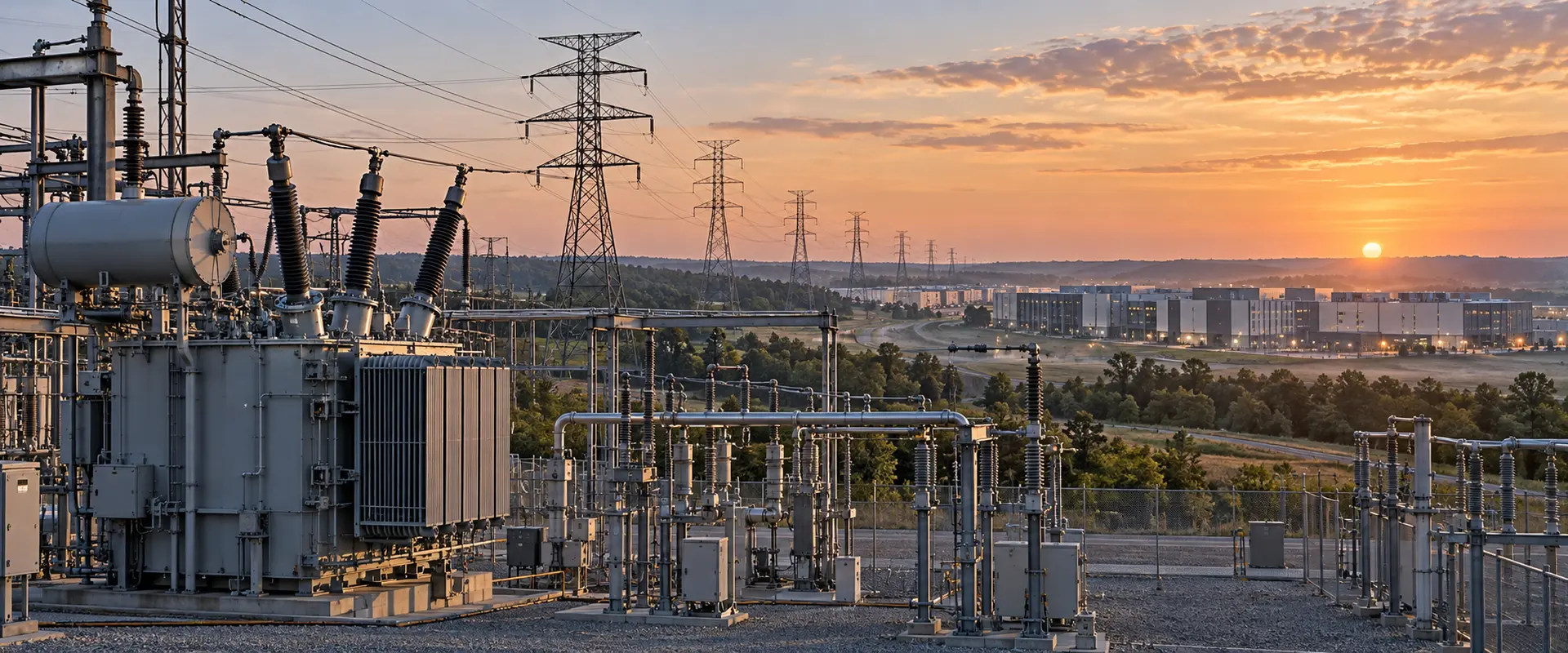
- AMD will secure more than 500MW of United States data-centre capacity from Core Scientific to support end-customer deployments beginning in 2027.
- The arrangement can expand up to 2.5GW, but the announcement does not call that maximum installed, operating or fully committed capacity.
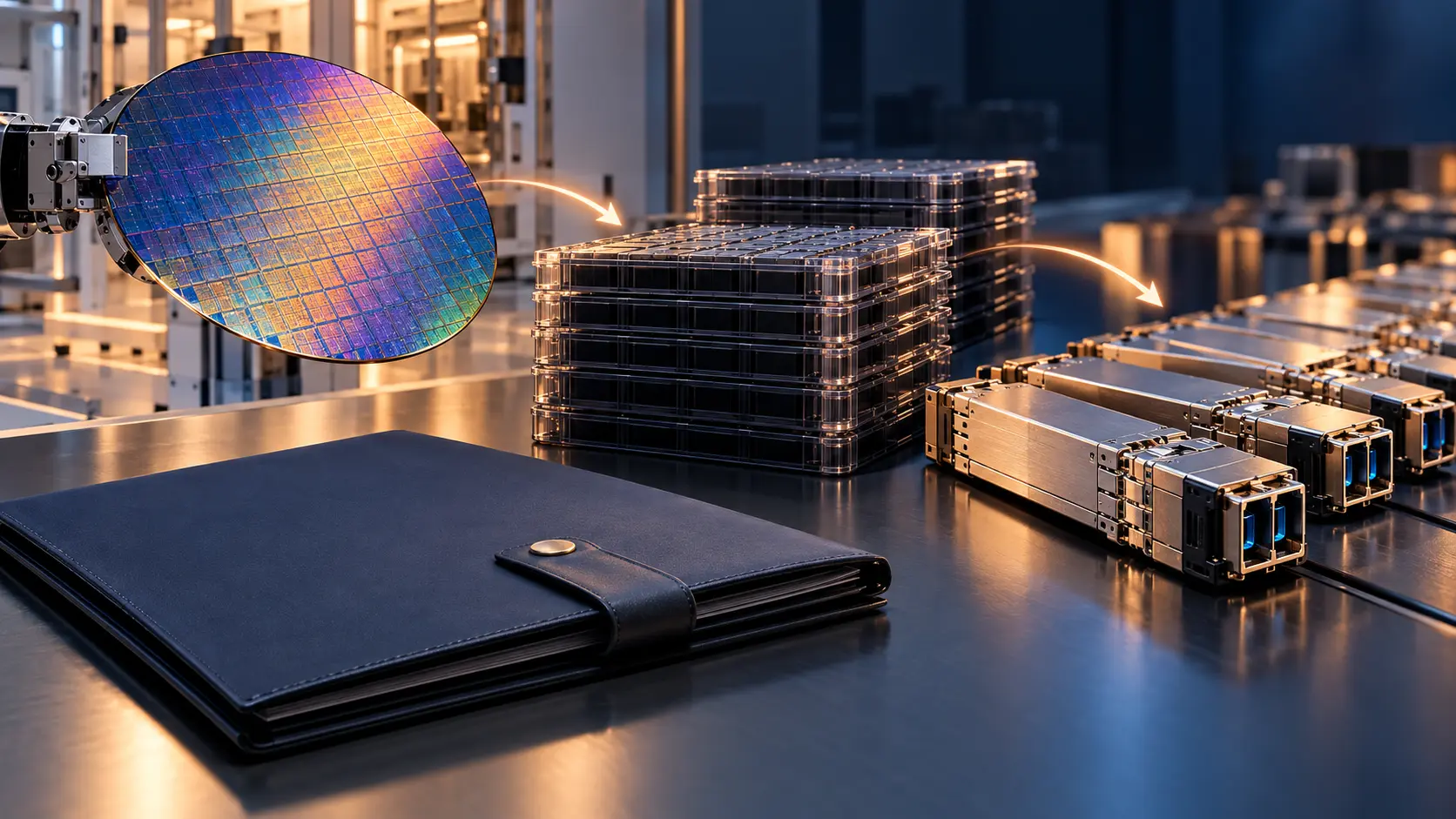
- Core Scientific and AMD will collaborate on physical infrastructure design and deployment of Instinct GPUs, EPYC CPUs and ROCm software.
- The release identifies end customers only as model builders, cloud providers and enterprises; it provides no site allocation, minimum customer demand, price or contract term.
- AMD will receive market-priced warrants to buy Core Scientific shares subject to commercial conditions, with quantity and detailed economics undisclosed.
Selling an accelerator is one transaction. Finding power, land, cooling and a building in which a customer can run it is another. AMD's agreement with Core Scientific connects those two markets.
That connection may remove a deployment bottleneck for customers that want AMD systems but do not possess ready data-centre space. It also extends AMD's exposure beyond product delivery. The company now depends on a third-party operator to convert a capacity promise into usable infrastructure on a 2027 schedule.
The first number and the ceiling do different jobs
More than 500MW is the announced starting scale. It is associated with United States infrastructure and deployments beginning in 2027. Even this figure is forward-looking: “beginning” does not identify how much will be ready on the first day or how quickly the full initial amount will enter service.
Up to 2.5GW is an expansion path. The phrase places a ceiling on what the relationship might become; it is not evidence that another 2GW has been ordered, financed or assigned to sites.
The distinction matters for valuation. A facility operator's economics depend on contracted megawatts, delivery dates, capital responsibility, pricing, renewal rights and credit support. None can be calculated from the maximum alone.
AMD is assembling a deployment channel
The companies plan to work on physical infrastructure design as well as the placement of AMD Instinct accelerators, EPYC processors and ROCm software. That scope suggests coordination across the rack and building boundary rather than a simple lease of generic floor space.
High-density systems require electrical distribution, cooling and network design that fit the equipment. Aligning those choices early can reduce redesign and commissioning time. It can also lock the customer into a particular physical and software configuration before real workload results are available.
For Core Scientific, the relationship supplies a large technology ecosystem rather than one named occupant. For AMD, it supplies an infrastructure channel through which several customers may deploy. The release does not say who owns the installed compute, who funds each fit-out or who bears underutilisation.
The end customer remains an unnamed variable
AMD says the capacity will support model builders, cloud providers and enterprises. Those are categories, not contracts. The announcement provides no customer names, minimum take-up or allocation of the initial 500MW-plus.
That ambiguity changes the risk map. If AMD reserves capacity before end customers sign, it may carry commercial placement risk. If Core Scientific builds only against later customer commitments, the timeline depends on contracts that have not been disclosed. A hybrid could divide the risk between the parties.
The agreement may still have strategic value without a public customer list. Capacity secured in advance can shorten sales cycles and give AMD an answer to buyers who need more than chips. But the difference between a channel and a backlog must stay visible.
Warrants align upside under unknown conditions
AMD will receive market-priced warrants to purchase Core Scientific common stock, subject to commercial conditions. A warrant can reward AMD if the infrastructure relationship expands and Core Scientific's equity value rises.
It can also reveal that commercial alignment extends beyond ordinary capacity payments. Without the number of shares, strike method, vesting milestones, expiry and dilution impact, the value cannot be calculated.
“Market-priced” should not be translated into free equity or immediate ownership. The instrument is a conditional right to buy shares under terms not fully disclosed in the release. Exercise would require its own conditions and economics.
Delivery evidence must replace headline gigawatts
The next useful disclosures are smaller than 2.5GW: named sites, power availability, construction responsibility, a first customer, contracted price, equipment acceptance and the number of megawatts actually commissioned in 2027.
Those facts will show whether the partnership creates a reusable channel or merely an option on scarce infrastructure. They will also reveal where the margin sits—inside AMD systems, Core Scientific capacity, integration work or a combination.
AMD has secured a meaningful starting position in the physical layer of AI deployment. The agreement recognises that chips cannot generate revenue without powered space around them. Its strategic scale begins above 500MW; its 2.5GW future remains conditional. Keeping those states separate is the difference between measuring execution and repeating a headline.