Summary
- Match the proxy type to the task: privacy, access control, caching, testing and evasion carry different risks.
- Check operator identity, logging, jurisdiction, abuse response and an exit path before routing sensitive traffic.
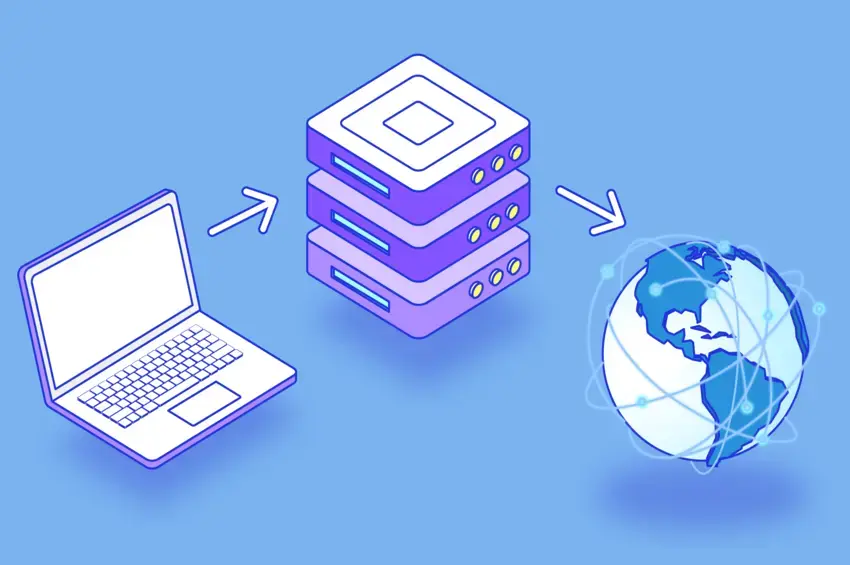
A proxy changes the path between a user and a destination. That can reduce direct exposure or improve stability, yet it also creates a new place where traffic can be observed, altered or blocked. The next useful evidence is a documented data flow and retention policy tested against actual network behaviour. Anonymity claims matter less than knowing which party can link an account, payment, address and request.