
Topic
Data Sovereignty and Locality
Within the Topic facet, Data Sovereignty and Locality topic intelligence connects articles that share a specific subject, signal focus, or monitoring theme. The page gives readers a richer path through related reporting, source evidence, market actors, and infrastructure implications, with enough context to understand why the topic matters across company movements, governance decisions, regional exposure, and operational risk. Readers can compare recurring signals, affected organisations, public evidence, market context, service continuity, procurement, competition, compliance, and strategic planning questions behind the subject instead of stopping at a thin list of matching articles. It explains what the topic covers, which infrastructure actors or policies are involved, what evidence supports the coverage, and why the subject may matter for operators, customers, investors, and policy readers.

Africa Datacenter Trends
Kenya’s data-centre licence hinges on who already holds a network permit
Kenya’s September 2026 consultation would create a separate licence for co-location data centres, yet exempt an operator that already holds a Network Facilities Provider or Application Service Provider licence. That makes the proposal’s most consequential boundary the identity…

Global National Telecom Trends
A Route Is Not a Jurisdiction: BICS’s SCION Bet Needs a Service Contract
BICS’s move into the SCION Association gives a years-long technical effort a stronger industry platform. The commercial test is whether customers receive verifiable path control and continuity; a selectable route alone cannot decide where data is governed or who remains legally…

Europe and Middle East Cloud Services Trends
The AWS Disconnect Test Needs a Record Buyers Can Audit
AWS plans a 24 October exercise that will disconnect the European Sovereign Cloud from the AWS Global Network backbone and disable a separate operational-data transfer system. Its promised evidence will matter to buyers only if it shows what the exercise established and who can…

Global Institutional Trends
A Passport for Tax Data: Why Security Is Becoming a Continuing Condition of Exchange
Automatic tax-information exchange is often described as a treaty success: one authority sends, another receives, and cooperation makes offshore assets harder to hide. The less visible bargain is that a receiving jurisdiction must keep the data confidential and use it only as the…

IETF
The Address Was Complete. The Person Might Not Be There.
A civic-location entity can name the country, road section, building, floor, room and even seat with perfect XML discipline. RFC 5139 makes that description interoperable. It does not make it current. The decisive question is not how many address fields survived the parser, but…

IETF
The Service Advertised Oblivious HTTP. The Key Could Still Name the Client: RFC 9540
RFC 9540 gives clients a standard way to discover an Oblivious HTTP target, its gateway and the gateway’s public-key configuration. It also exposes a harder truth: a privacy service can be honestly advertised, cryptographically valid and operationally successful while a…

Global Institutional
G42's Capacity Ledger: What the Abu Dhabi AI Group Actually Operates Versus What It Announced
Abu Dhabi's G42 sits at the intersection of Gulf sovereign capital, US export-control policy and one of the fastest AI infrastructure buildouts anywhere outside the United States. The public record around the company is dense with large numbers — 500,000 chips a year in draft…

IETF
The Server Returned the Old Object. It Did Not Return an Audit Trail.
JMAP Entity History proposes a practical way to recover previous and destroyed entity versions. Its own rules also explain why retained snapshots cannot prove every change, its actor, its authority or its outcome.

Latin America and Caribbean Cloud Services
AI Brazil's Ledger Keeps Growing While the Network Behind the Name Still Answers With One /22
AI Brazil's Ledger Keeps Growing While the Network Behind the Name Still Answers With One /22 intelligence summary explains the development, the public evidence available to readers, the organisations involved, the regional context, market exposure, and the infrastructure…

Europe and Middle East Cloud Services
Mistral Compute Sells the Future: Regional Endpoints, Priority Tiers and a Gigawatt on Paper
Between March and August 2026, Mistral AI added a second layer to its Mistral Compute project. The first layer was physical and financial: $830 million of debt, 13,800 NVIDIA GB300 accelerators and 44 MW of powered capacity at Eclairion's Bruyères-le-Châtel site south of Paris.…

Europe and Middle East Datacenter Trends
Mistral Compute's $830 Million Question: Who Owns and Operates the Financed Fleet
Prior BTW coverage of Mistral Compute separated its megawatt ledgers: a 1,400 MW design ceiling, a 700 MW grid contract signed in two tranches, and 44 MW of powered capacity tied to a single loan. But the deeper structural question went unanswered in the public record — who lends…

Europe and Middle East Cloud Services
Safe Swiss Cloud: what 'sovereign' actually holds up in the record
A Zurich-based cloud provider markets itself as 100% Swiss, privately owned and independent of US jurisdiction. The public record tells a more layered story — and the differences matter for any enterprise betting on it.
Asia-Pacific Cloud Services
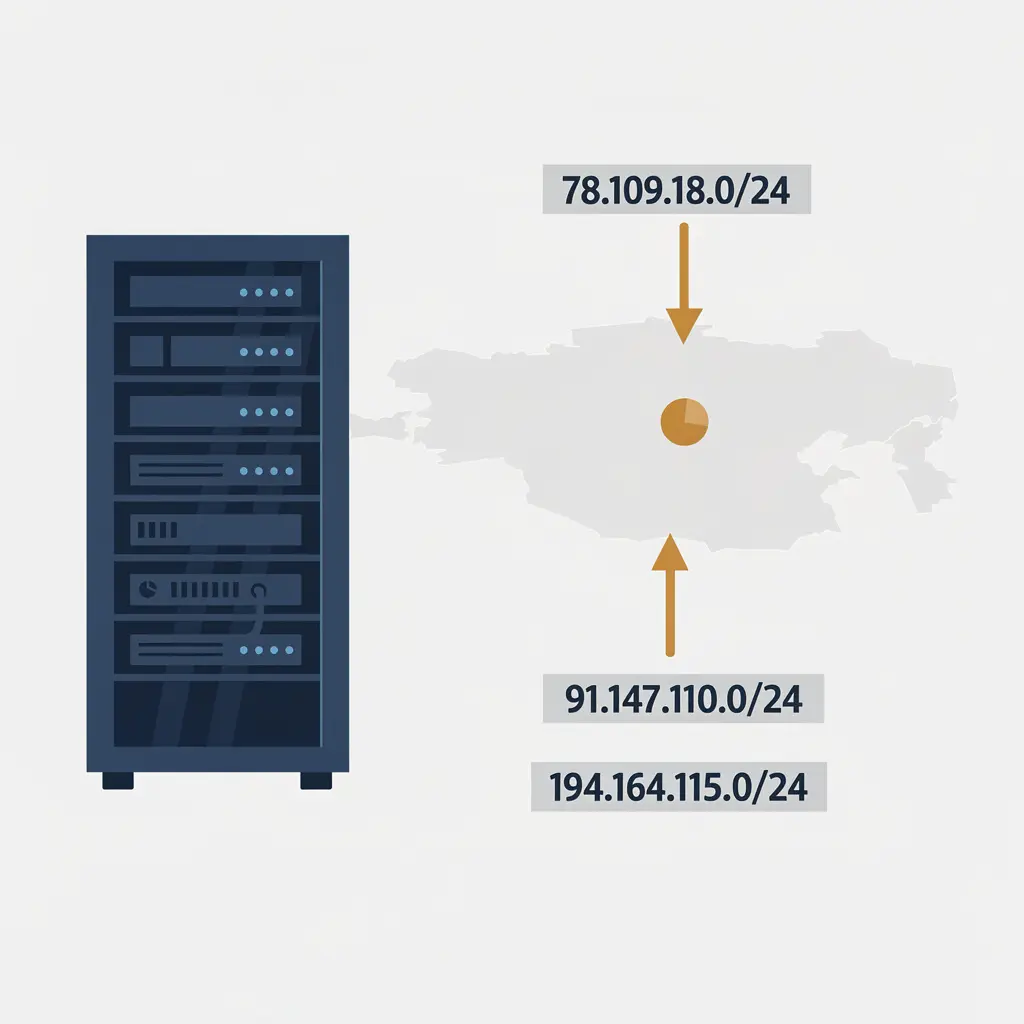
NovaCloud: two autonomous systems, one brand, and the gap between marketed cloud and routed reality
NovaCloud: two autonomous systems, one brand, and the gap between marketed cloud and routed reality intelligence summary explains the development, the public evidence available to readers, the organisations involved, the regional context, market exposure, and the infrastructure…

Asia-Pacific National Telecom Trends
VEON has approval for a Bangladesh digital bank. The operating licence is still a gate
A corporate announcement can compress a regulatory sequence into one noun. Bangladesh Bank's own rulebook does the opposite: it separates sponsor eligibility from the final licence, and turns the distance between them into cash, governance, local infrastructure and audit…
Europe and Middle East Datacenter Trends
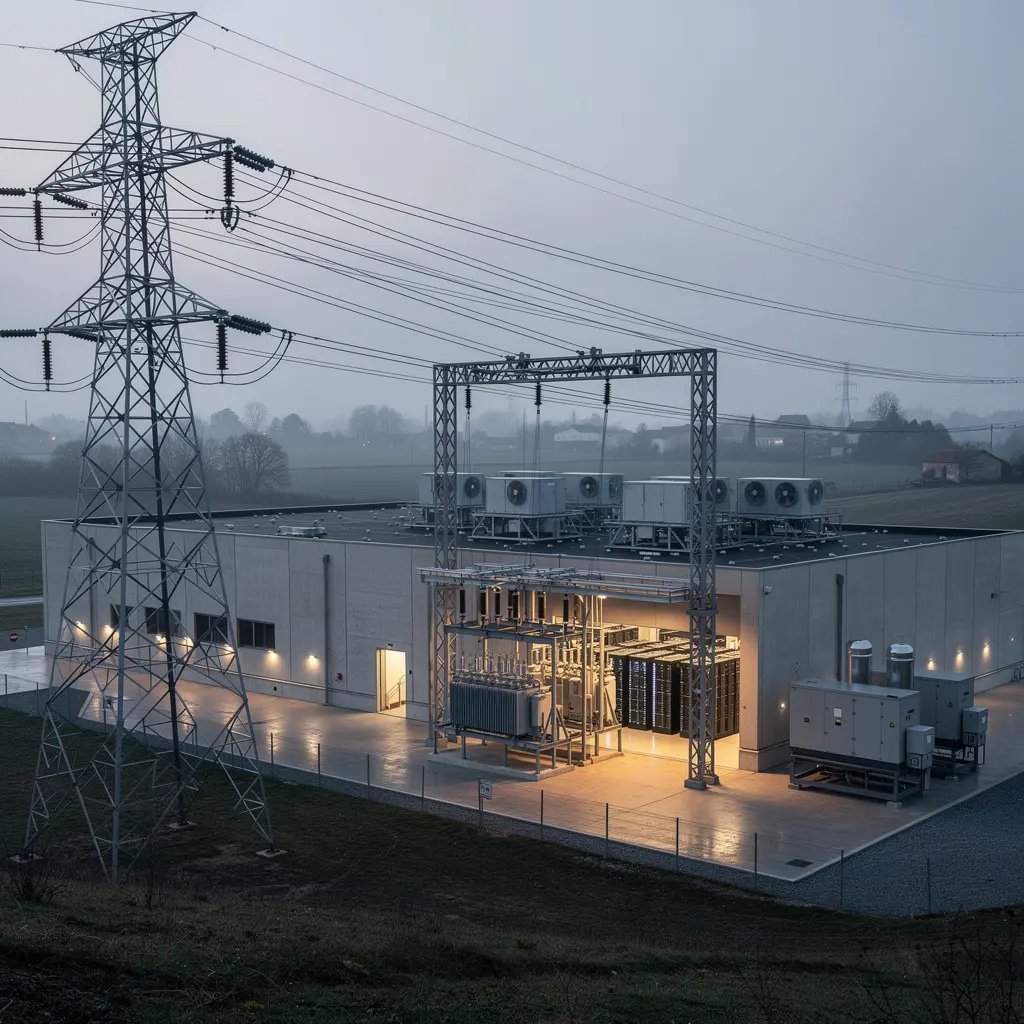
Mistral Compute: four megawatt figures, one signed loan
Public statements about [Mistral Compute](https://btw.media/en/directory/mistral-compute) mix a 1,400 MW design ceiling at Fouju, 700 MW pre-reserved with transmission operator RTE, connection tranches of 240 MW and 700 MW, and 44 MW at Eclairion's Bruyères-le-Châtel site. Those…

CASE FILE
The Data Was Split. The Operator Could Still Reassemble the Person: RFC 9614
The relay could identify the client but could not read the request. The gateway could read the request but could not see the client's address. Then one operator aligned the two logs by time and size. Every box kept its local promise; the system did not keep the privacy promise.…

History
One Record, Five Different Directories: RFC 2378
RFC 2378 described a people directory in which a field could exist without being discoverable, be discoverable without being searchable, be searchable without being returned, and be editable without being changeable over the network. The important invention was not a phone book.…

Europe and Middle East Cloud Services
NVIDIA's European AI factories: announced capacity is not operated capacity
NVIDIA's European AI programme now spans a Munich industrial AI cloud, UK capacity commitments and a USD 2bn investment in Nebius. The announcements describe computing that is promised; they do not yet describe facilities, power contracts and network paths that are operating.

Global Cloud Services Trends
IBM puts digital-asset control on premises; settlement still crosses the boundary
Putting wallets, policies and signing keys inside a bank's own data centre changes who can authorise a transaction. It does not bring the whole payment chain home. IBM's new Digital Asset Haven betas expose a more useful market question: can a bank prove each handoff from local…

Global Cloud Services Trends
VAST DataEnclave brings models to private data; the market gate is key release
Confidential computing can prevent a host from casually inspecting a model or a dataset. It cannot decide whether the model owner and the data owner should do business. VAST DataEnclave matters because it makes that second question operational: two owners keep separate keys…