Institution Profiling / Cloud Service

Who invented the humanoid robot?

Who invented the humanoid robot? is tracked as a internet infrastructure institution within the internet infrastructure ecosystem.

Who invented the humanoid robot?

Sources

Public references used for this article.

External references will appear here after editorial citation review.

CategoryInstitution

Who invented the humanoid robot? is tracked as a internet infrastructure institution within the internet infrastructure ecosystem.

RegionNorth America

Who invented the humanoid robot? has public-source relevance to network operations, governance, dependency mapping, or market structure.

Signal FocusMarket

Who invented the humanoid robot? has public-source relevance to network operations, governance, dependency mapping, or market structure.

Content TypePROFILE

Who invented the humanoid robot? is tracked as a internet infrastructure institution within the internet infrastructure ecosystem.

Primary DomainTechnology

Public-source signals support medium-impact monitoring for infrastructure visibility and dependency analysis.

ImpactMedium

Public-source signals support medium-impact monitoring for infrastructure visibility and dependency analysis.

Confidence?Confidence Grade
0.90–1.00AHigh — direct sources
0.75–0.89A/BStrong
0.55–0.74B/CMedium
0.35–0.54C/DWeak–medium
0.10–0.34DWeak signal
0.00–0.09DInternal monitoring
Limited confidence (82%)

Several public sources

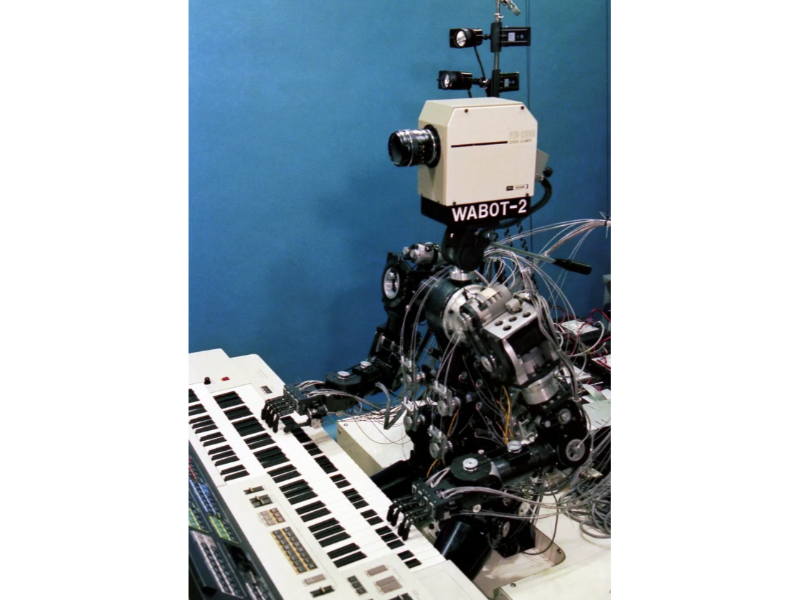
  • 1970年的WABOT项目凸显了早稻田大学在人形机器人开发中的先驱角色,从多功能WABOT-1开始,发展到擅长音乐的WABOT-2,标志着机器人工程和人工智能领域的重大进步。
  • Asimo,是本田自1986年以来开发的人形机器人,作为机器人的先驱大使,能够像人类一样行动,如跑步、跳舞和踢足球。
  • ChatGPT Atlas,由波士顿动力公司在DARPA资助下开发的双足人形机器人,旨在协助搜救行动,配备了先进的移动性和精细运动技能,汲取了早期型号如PETMAN的技术。

人形机器人的发展是科技发展中一个跨学科、跨世代的历史,涉及众多创新者,每位科学家或工程师在不同阶段都做出了贡献。 另见: Ziggo集团任命领导人,备战2027年阿姆斯特丹上市.

另请阅读: Tesla的人形机器人Optimus或于2025年首次亮相

早稻田大学启动WABOT项目

早稻田大学理工学院的四个实验室联合成立了“生物工程小组”,于1970年启动了WABOT项目。

WABOT-1是世界上第一个有趣的人形机器人。它由肢体控制系统、视觉系统和对话系统组成。WABOT-1能够用日语与人交流,并利用外部接收器、人工耳朵和眼睛以及人工嘴巴来测量物体的距离和方向。WABOT-1用下肢行走,并能用带有触觉传感器的手抓取和搬运物体。据估计,WABOT-1的智力相当于一岁半的儿童。WABOT-1由WAM-4(作为其人工手)和WL-5(作为其人工腿)组成。 另见: T-Mobile 成为美国高尔夫赛事官方5G合作伙伴.

1980年,各实验室再次联合,启动了WABOT-2项目。演奏键盘乐器被设定为WABOT-2要完成的智能任务,因为演奏键盘乐器这样的艺术活动需要类似人类的智能和灵巧性。因此,WABOT-2被定义为“专家机器人”,而非像WABOT-1那样的通用机器人。 另见: CIVO-USA.

音乐机器人WABOT-2能与人对话,用眼睛识读普通乐谱,并在电子琴上演奏中等难度的曲目。WABOT-2还能在聆听人唱歌时为其伴奏。WABOT-2是开发“个人机器人”的首个里程碑。 另见: Alejandro Estua.

另请阅读:汽车制造商Magna将试用Sanctuary AI的人形机器人

文章图片
WABOT-2

本田推出Asimo

Asimo是一款旨在帮助人类的人形机器人。它能跑、能跳舞、能跳、能踢足球。它作为机器人使者周游世界,让人类对机器人技术感到兴奋。

本田于1986年开始开发人形机器人。在接下来的15年里,该公司制造了大约十几个原型。早期的机器人(型号E1至E6)专注于腿部运动。随后,本田工程师为机器人增加了头部、躯干和手臂,以改善平衡并增加功能。

1993年,本田推出了其第一个人形机器人P1,这是一个相当庞大的机器,高1.9米,重175公斤。随后在1996年推出了P2,1997年推出了P3。2000年10月31日,本田推出了如今著名的Asimo。2004年,Asimo入选卡内基梅隆大学的机器人名人堂,成为首个展示真正类人移动能力的机器人。第二代Asimo于2005年首次亮相。 另见: 亚历杭德罗·曼佐.

2011年11月,本田推出了改进设计,称为“全新Asimo”。凭借增强的身体能力,新款Asimo可以向后跑、连续上下跳跃,甚至单脚跳。然而,2018年本田表示将暂停Asimo的开发,转而致力于开发更实用的机器人,如老年护理和灾难救援机器人。2022年初,本田宣布Asimo退役,结束了四十年来令人印象深刻的机器人技术进步,这些进步激励了其他工程师并抓住了公众的想象力。 另见: 亚历杭德罗·埃尔南德斯.

波士顿动力公司开发Atlas

Atlas是一款双足人形机器人,主要由美国机器人公司波士顿动力开发,资金和监督来自美国国防高级研究计划局(DARPA)。

Atlas的设计和生产由美国国防部机构DARPA与波士顿动力公司合作监督。该机器人的一只手由桑迪亚国家实验室开发,另一只手由iRobot开发。 另见: 亚历杭德罗·加尔萨.

2013年,DARPA项目经理吉尔·普拉特将Atlas的原型版本比作小孩,说“一个1岁的孩子几乎不能走路,一个1岁的孩子经常摔倒……这就是我们目前所处的阶段”。 另见: Alejandro Guerrero.

Atlas基于波士顿动力早期的PETMAN人形机器人,并配备了蓝色LED灯。Atlas装有两个视觉系统——激光测距仪和立体相机,均由外部计算机控制——并拥有具备精细运动技能的手。其四肢共有28个自由度。

Atlas能够使用手臂和腿部在崎岖地形中导航并独立攀爬,尽管2013年的原型版本需要连接外部电源。

Atlas旨在协助紧急服务部门进行搜索和救援行动,执行诸如关闭阀门、开门以及在人类无法生存的环境中操作动力设备等任务。美国国防部在2013年表示,无意将该机器人用于进攻或防御性战争。

Domain of operation

Who invented the humanoid robot? is profiled by BTW Media because published evidence links it to internet infrastructure, governance, operational dependencies, or market visibility.

  • Public role: Who invented the humanoid robot? is framed by who invented the humanoid robot? is tracked as a internet infrastructure institution within the internet infrastructure ecosystem. and public technology context. Evidence basis: Who invented the humanoid robot? article record; Who invented the humanoid robot? article record
  • Operating surface: Market and North America provide the public context for this institution profile. Evidence basis: Who invented the humanoid robot? article record; Who invented the humanoid robot? article record

Timeline

  1. Who invented the humanoid robot? public profile updated

    Public coverage records Who invented the humanoid robot? as a subject for role, operating context, and evidence review.

At A Glance

  • Name: Who invented the humanoid robot?
  • Type: Internet infrastructure institution
  • Base: North America
  • Profile focus: Institution

What It Does

  • Public records support monitoring of its role, services, and key relationships.

Why It Matters

  • Public-source signals support medium-impact monitoring for infrastructure visibility and dependency analysis.
  • Operational criticality: Medium
  • Time horizon: Next quarter

What To Watch

  • Monitoring focuses on verified service continuity, governance changes, and relationship signals.
NowMedium priority

Track verified source updates, role changes, and current public evidence.

QuarterMedium policy sensitivity

Public-source signals support medium-impact monitoring for infrastructure visibility and dependency analysis.

YearNext quarter outlook

Longer-term relevance depends on verified operating, policy, and relationship changes.

Member Briefing

Deeper Profile Context

Login is required to unlock the full profile briefing and source notes.

Only for Strategy Circle

Strategic Circle Access

Open to all readers. Unlock profile briefings after joining and logging in.

Join Strategic Circle

Only for Leadership Alliance

Leadership Alliance Access

For owners and management of IP-holding companies. Login required to unlock.

Join Leadership Alliance

Public View

The public read of Who invented the humanoid robot? is limited to visible role, operating context, and relationship evidence.

Watchpoints

  • New public role, affiliation, product, policy, or market disclosures.
  • Verified relationship changes involving named organizations or people.

Caveats

  • Private or unverified claims are excluded from this public view.

FAQ

Why is Who invented the humanoid robot? included?

Who invented the humanoid robot? has public evidence that makes the institution relevant to BTW's coverage of digital infrastructure, governance, or markets.

What is public about this profile?

The public layer covers visible role, operating context, linked organizations, and evidence-backed watchpoints.

What should readers watch next?

Readers should watch for source-backed role changes, new partnerships, regulatory exposure, operating expansion, or evidence that changes the public assessment.

← BackAll Companies