
What is Web2 and Web3? is tracked as a internet infrastructure institution within the internet infrastructure ecosystem.
What is Web2 and Web3? has public-source relevance to network operations, governance, dependency mapping, or market structure.
What is Web2 and Web3? is tracked as a internet infrastructure institution within the internet infrastructure ecosystem.
Public-source signals support medium-impact monitoring for infrastructure visibility and dependency analysis.
| 0.90–1.00 | A | High — direct sources |
| 0.75–0.89 | A/B | Strong |
| 0.55–0.74 | B/C | Medium |
| 0.35–0.54 | C/D | Weak–medium |
| 0.10–0.34 | D | Weak signal |
| 0.00–0.09 | D | Internal monitoring |
Several public sources
- Web2以增强的交互性、通信和用户生成内容为特征,促进了无缝的在线互动和信息共享。
- Web3承诺去中心化、透明度和用户赋权,旨在通过区块链技术将数据所有权归还用户并促进信任,从而彻底改变互联网。
- Web2侧重于内容的消费和创作,而Web3则强调在语义框架内的内容创作,利用去中心化技术增强网络安全并重新定义在线交易。
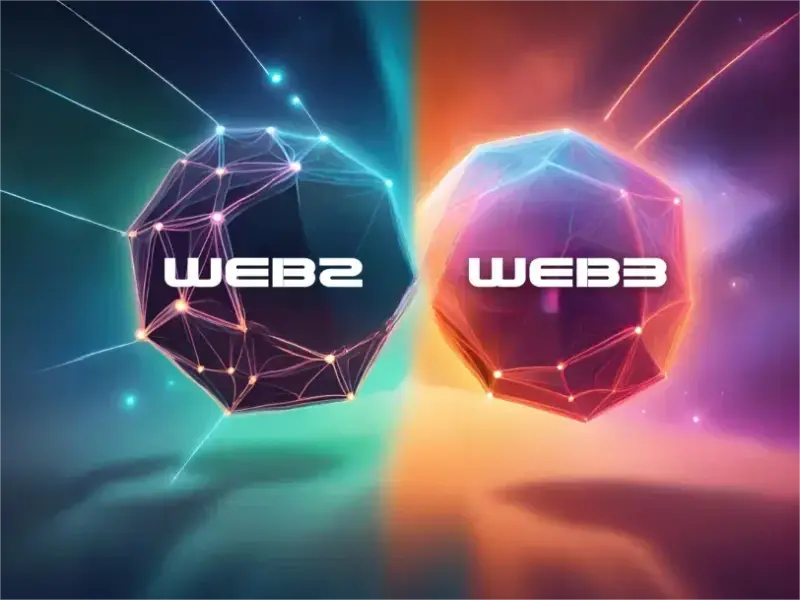
探索从Web2到Web3的过渡,这一过渡有望增强用户控制、去中心化网络和网络安全措施,彻底改变数字格局。 另见: AfriNIC会员名册神秘消失.
什么是Web2?
Web2,也简称为“Web”,构成了万维网(WWW)的当前迭代版本。它继续关注静态网站、搜索引擎、社交媒体平台和在线购物网站。 另见: AfriNIC 消失的成员登记册.
Web2作为Web1的继任者出现,Web1的特点是非交互式的只读网络。随着Web2的出现,我们见证了向交互性和动态元素的显著转变,几乎一切都变得“可点击”。这一演变促进了用户生成内容的创建、分享和在线交流。 另见: ECHOES 协会.
Web2有哪些优势?
另请阅读:如何使用Web3.0?
Web2相较于其前身具有多项优势,主要围绕增强的交互性、通信和参与度: 另见: IT部门 - Athlok.
1. 交互性与动态内容
Web2的网站包含按钮、链接和表单等可点击元素,使用户能够通过简单的点击进行选择和采取行动。此外,通过应用程序促进了交互式内容的创建。 另见: 亚历杭德罗·费尔南德斯.
2. 通信
Web2下社交媒体平台上在线论坛、实时聊天和评论区功能的引入,促进了全球在线交流,使人们能够与世界各地的个人互动。 另见: 阿尔多·加西亚.
3. 用户生成内容
在Web2框架内,用户可以通过网络浏览器、博客、视频博客和视频共享平台访问和贡献内容。 另见: Alcymer Vieira.
4. 信息共享
Web2集成了社交媒体和自助出版平台,简化了知识和信息的共享。 另见: 阿尔西德斯·克雷莫内齐.
5. 易用性
Web2拥有用户友好的特性,允许在极少的专业技能下无缝地进行信息共享、购物和服务预订。
Web2有哪些劣势?
尽管Web2便利,但它也面临一些挑战,主要源于电子商务和社交媒体平台的中央权威控制:
1. 安全性
依赖集中式服务器和系统进行数据存储带来安全风险,包括在高用户需求下服务器过载和容易受到黑客攻击。中心化还便于政府和公司监控用户活动。
2. 数据所有权
在Web2中,少数大公司的主导地位导致了对用户数据的收集和利用,引发了隐私担忧。存储在网站服务器上的用户数据受公司控制,同时通过Cookie和追踪像素进行在线活动跟踪。
3. 审查制度
企业和政府实体在Web2上控制着信息的传播,导致审查、内容封锁和监视,可能侵犯言论自由。
另请阅读:谁发明了Web3?
什么是Web3?
Web3代表了即将到来的新一代互联网,被设想为万维网的升级版。通常被称为“语义网”或“去中心化网络”,Web3利用区块链和点对点网络等去中心化技术,在没有中央权威干预的情况下运行。
Web3有哪些优势?
Web3努力维护互联网的最初理想,承诺提供一个开放、透明和安全的网络环境。Web3的主要优势包括:
1. 去中心化
Web3消除了对数据和应用程序的中心化控制,赋予用户更大的数据控制权,并要求公司为数据访问付费。
2. 透明度与安全性
去中心化原则增强了Web3的透明度,同时去中心化的数据存储解决方案增强了安全性。
3. 用户赋权
Web3将数据所有权归还给用户,消除了中央权威施加的平台间通信限制。
4. 新的交易范式
智能合约利用加密货币促进去中心化交易,使交易和互动无需中介。
Web3有哪些劣势?
Web3的复杂性和资源密集型特性带来了重大挑战,包括:
1. 复杂性
技术和用户体验的复杂性阻碍了Web3的大规模采用,新手需要付出大量努力才能掌握。基本的编程知识和高级IT技能是使用Web3的先决条件。
2. 计算资源
Web3对区块链技术的依赖需要大量的计算资源,可能使旧设备不兼容。此外,Web3操作相关的能耗也会增加。
3. 可扩展性
区块链和去中心化网络在处理大量数据时会遇到可扩展性问题,导致潜在的网络减速和容量限制。
4. 监管和法律障碍
在区块链网络上执行监管框架面临挑战,这为Web3上的欺诈活动提供了机会。
5. 加密货币安全问题
Web3交易中采用数字货币引发了安全担忧,因为已经证明了存在黑客攻击和盗窃的漏洞。
Web2与Web3有什么区别?
Web 2.0和Web 3.0在技术上有着共同的根源,但在应对挑战的方法上有所不同。根本区别在于Web 2.0侧重于内容的消费和创作,而Web 3.0则强调在语义框架内的内容创作,通过去中心化增强网络安全。
Web2旨在连接,而Web3将数据与意义结合,通过去中心化培养信任。两者之间的主要区别包括:
1. 货币
Web 2.0交易主要使用法定货币,而Web3交易依赖以太坊或比特币等加密货币。
2. 内容所有权
Web2.0集中控制数据,引发了关于访问和隐私的担忧。相比之下,Web3能够在多个位置同时交换数据,从而解决了这些担忧。
3. 速度
由于集中式数据检索,Web2交易通常比Web3更快。Web3采用去中心化方法,交易可能更慢。
4. 技术
Web2技术包括AJAX、JavaScript、HTML5和CSS3,而Web3整合了机器学习、深度学习、语义网和去中心化技术。
5. 应用
Web2涵盖播客、社交书签、博客、RSS源和视频网站,而Web3引入了AI驱动的去中心化应用、虚拟世界和3D门户。
Domain of operation
What is Web2 and Web3? is profiled by BTW Media because published evidence links it to internet infrastructure, governance, operational dependencies, or market visibility.
- Public role: What is Web2 and Web3? is framed by what is web2 and web3? is tracked as a internet infrastructure institution within the internet infrastructure ecosystem. and public security context. Evidence basis: What is Web2 and Web3? article record; What is Web2 and Web3? article record
- Operating surface: Governance and Global provide the public context for this institution profile. Evidence basis: What is Web2 and Web3? article record; What is Web2 and Web3? article record
Timeline
- What is Web2 and Web3? public profile updated
Public coverage records What is Web2 and Web3? as a subject for role, operating context, and evidence review.
At A Glance
- Name: What is Web2 and Web3?
- Type: Internet infrastructure institution
- Base: Global
- Profile focus: Institution
What It Does
- Public records support monitoring of its role, services, and key relationships.
Why It Matters
- Public-source signals support medium-impact monitoring for infrastructure visibility and dependency analysis.
- Operational criticality: Medium
- Time horizon: Next quarter
What To Watch
- Monitoring focuses on verified service continuity, governance changes, and relationship signals.
Track verified source updates, role changes, and current public evidence.
Public-source signals support medium-impact monitoring for infrastructure visibility and dependency analysis.
Longer-term relevance depends on verified operating, policy, and relationship changes.
Member Briefing
Deeper Profile Context
Login is required to unlock the full profile briefing and source notes.
Only for Strategy Circle
Strategic Circle Access
Open to all readers. Unlock profile briefings after joining and logging in.
Join Strategic CircleOnly for Leadership Alliance
Leadership Alliance Access
For owners and management of IP-holding companies. Login required to unlock.
Join Leadership AlliancePublic View
The public read of What is Web2 and Web3? is limited to visible role, operating context, and relationship evidence.
Watchpoints
- New public role, affiliation, product, policy, or market disclosures.
- Verified relationship changes involving named organizations or people.
Caveats
- Private or unverified claims are excluded from this public view.
FAQ
Why is What is Web2 and Web3? included?
What is Web2 and Web3? has public evidence that makes the institution relevant to BTW's coverage of digital infrastructure, governance, or markets.
What is public about this profile?
The public layer covers visible role, operating context, linked organizations, and evidence-backed watchpoints.
What should readers watch next?
Readers should watch for source-backed role changes, new partnerships, regulatory exposure, operating expansion, or evidence that changes the public assessment.


