What is a carbon footprint? is tracked as a internet infrastructure institution within the internet infrastructure ecosystem.
What is a carbon footprint? has public-source relevance to network operations, governance, dependency mapping, or market structure.
What is a carbon footprint? is tracked as a internet infrastructure institution within the internet infrastructure ecosystem.
Public-source signals support medium-impact monitoring for infrastructure visibility and dependency analysis.
| 0.90–1.00 | A | High — direct sources |
| 0.75–0.89 | A/B | Strong |
| 0.55–0.74 | B/C | Medium |
| 0.35–0.54 | C/D | Weak–medium |
| 0.10–0.34 | D | Weak signal |
| 0.00–0.09 | D | Internal monitoring |
Several public sources
- 碳足迹,也称温室足迹,是指一项活动、公司、产品或国家所产生的温室气体总量的计算结果。
- 减少碳足迹对于应对气候变化和减缓全球变暖至关重要。
碳足迹
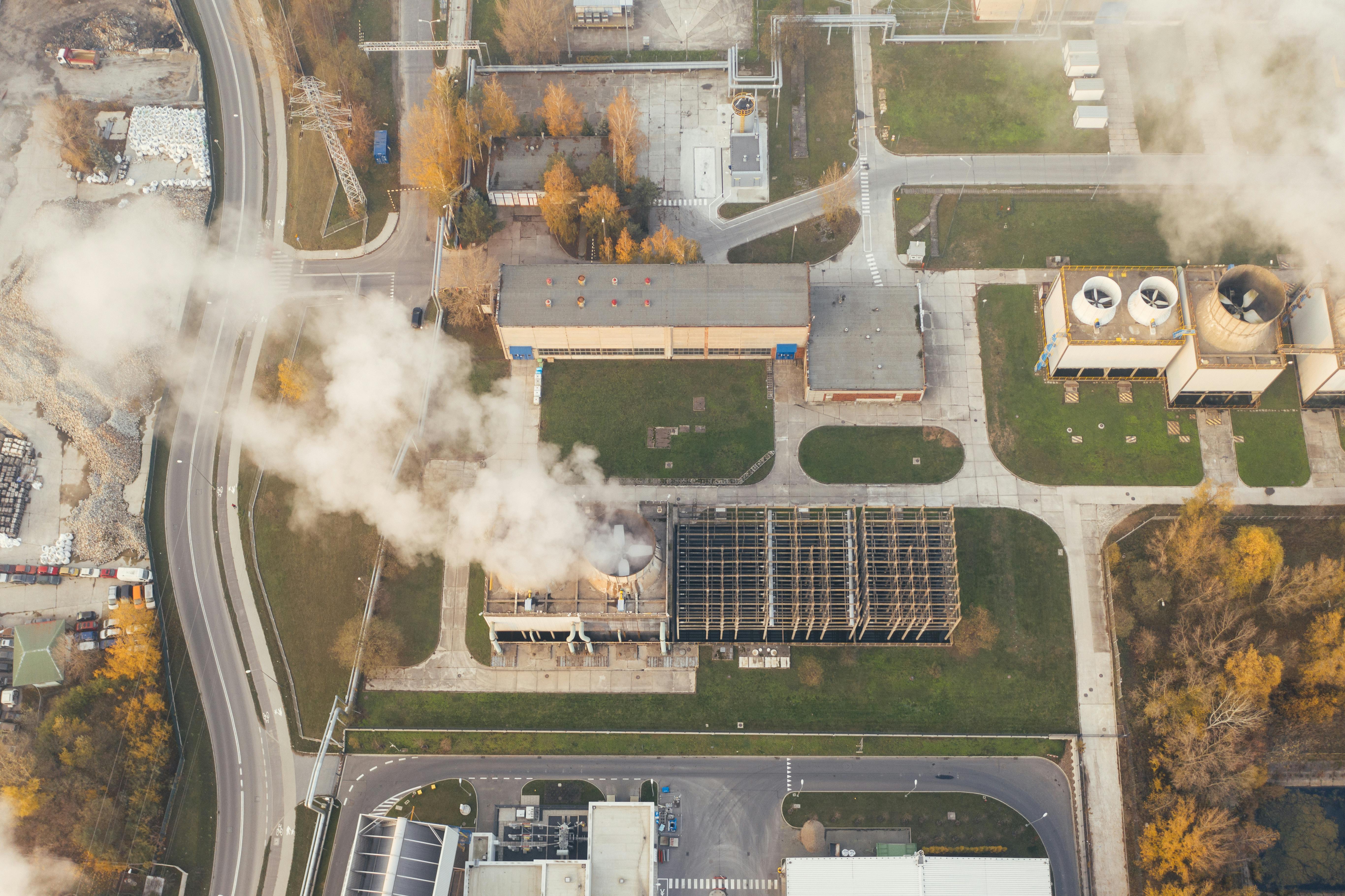
碳足迹是指个人、组织、产品或活动直接或间接排放的温室气体总量,尤其是二氧化碳(CO₂)。这包括燃烧化石燃料用于发电、运输、供暖和制造所产生的排放,以及农业、森林砍伐和其他工业过程的排放。 另见: FCC 以许可限制支持光纤建设者.

另请阅读:什么是微生物环境监测?
计算碳足迹
确定能源使用: 另见: Ofcom 揭露英国铁路移动覆盖差距.
- 电力:测量您的家庭用电量(每月或每年的千瓦时数),并乘以您所在地区的CO₂排放因子。排放因子因能源来源(煤炭、天然气、可再生能源)而异。
- 供暖和制冷:基于天然气、石油或丙烷的使用量计算排放,使用相应的CO₂排放因子。
交通排放: 另见: 罗伯特·纽沃斯.
- 车辆使用:根据燃料消耗量(升或加仑的汽油/柴油)或行驶里程计算。每英里或公里的CO₂排放量可根据车辆类型和燃油效率估算。
- 公共交通、航班:使用航空公司提供的排放计算器或在线工具计算飞机、火车或公交车的旅行排放。
饮食和食物消费: 另见: 欧盟重写人工智能基础设施主权规则.
- 估计饮食选择的排放量。肉类,特别是牛肉和羊肉,与植物性食物相比排放量更高。在线碳足迹计算器通常会根据您的每周或每月饮食估算排放量。
废物和回收: 另见: 欧盟限制美国卫星运营商接入频谱.
- 根据废物产生量和回收率计算排放量。例如,垃圾填埋场会产生甲烷排放,但回收利用减少了对新原料的需求。
另请阅读:可持续技术解决方案:可生物降解电子产品
使用在线计算器: 另见: FCC 要求美国海底电缆登陆须获许可.
- 各种计算器,例如美国环保署的碳足迹计算器或来自CarbonFootprint.com和世界自然基金会等组织的计算器,通过让您输入能源、交通、饮食和废物习惯的值,简化了这一过程。

另请阅读:应对环境与监管合规:企业的关键步骤
全球碳足迹统计
在2024年,全球CO₂排放量达到约374亿公吨,主要来自用于能源和工业的化石燃料燃烧,约占全球温室气体排放量的75%。
在全球范围内,人均碳足迹估计约为每年4.5公吨CO₂,但各国差异很大。高收入国家的人均碳足迹往往更大: 另见: 美国封堵海外AI芯片采购漏洞.
- 美国:人均约14.7公吨
- 欧盟:人均约7.5公吨
- 中国:人均约8.4公吨
- 印度:人均约2.0公吨
- 撒哈拉以南非洲:人均约0.8公吨
各行业贡献: 另见: Dish 违约后 FCC 重启 AWS-3 拍卖.
- 能源生产:约占温室气体排放的73%,主要来自用于发电和供热的煤炭、石油和天然气燃烧。
- 农业:约占排放的18%,主要来自畜牧业(甲烷排放)和森林砍伐。
- 交通:约占全球排放的16%,公路运输和航空是主要贡献者。
不同生活方式的影响:
- 转为植物性饮食可以将个人的碳足迹每年减少多达1公吨CO₂。
- 根据行驶距离和电力来源,将汽油车换成电动汽车每年可减少约1–4公吨排放。

如何减少碳足迹
优化家庭能源使用:
- 改用节能电器和照明(如LED灯泡)。
- 对房屋进行隔热以减少供暖和制冷需求。
- 使用可编程恒温器有效管理供暖和制冷。
- 考虑可再生能源选项,如太阳能电池板。
减少、再利用和回收:
- 通过使用可重复使用的袋子、瓶子和容器来减少废物。
- 尽可能回收纸张、塑料和玻璃等材料。
- 避免使用一次性塑料,减少整体废物以降低与废物处理和垃圾填埋场相关的排放。
选择可持续交通方式:
- 使用公共交通、拼车或骑自行车代替独自驾车。
- 如果可能,改用电动或混合动力汽车,因为它们比传统车辆排放更低。
- 短距离步行或使用自行车以减少化石燃料消耗。
采用植物性饮食:
- 减少肉类和奶制品消费可降低与畜牧业相关的排放。
- 尽量购买本地生产的食物以减少运输排放。
支持可持续和碳中和产品:
- 选择采用可持续实践制造的产品,例如使用回收材料或来自环保品牌的产品。
- 寻找“公平贸易”、“有机”或“B Corporation”等认证,这些认证表明更好的环保实践。
减少用水:
- 简单的步骤,如修理漏水、缩短淋浴时间、使用节水器具,有助于减少与水的处理和加热相关的能源消耗。
以上是在家中减少碳足迹的一些方法。让我们一起保护地球母亲,今天就种一棵树吧!
Domain of operation
What is a carbon footprint? is profiled by BTW Media because published evidence links it to internet infrastructure, governance, operational dependencies, or market visibility.
- Public role: What is a carbon footprint? is framed by what is a carbon footprint? is tracked as a internet infrastructure institution within the internet infrastructure ecosystem. and public governance context. Evidence basis: What is a carbon footprint? article record; What is a carbon footprint? article record
- Operating surface: Governance and Africa provide the public context for this institution profile. Evidence basis: What is a carbon footprint? article record; What is a carbon footprint? article record
Timeline
- What is a carbon footprint? public profile updated
Public coverage records What is a carbon footprint? as a subject for role, operating context, and evidence review.
At A Glance
- Name: What is a carbon footprint?
- Type: Internet infrastructure institution
- Base: Africa
- Profile focus: Institution
What It Does
- Public records support monitoring of its role, services, and key relationships.
Why It Matters
- Public-source signals support medium-impact monitoring for infrastructure visibility and dependency analysis.
- Operational criticality: Medium
- Time horizon: Next quarter
What To Watch
- Monitoring focuses on verified service continuity, governance changes, and relationship signals.
Track verified source updates, role changes, and current public evidence.
Public-source signals support medium-impact monitoring for infrastructure visibility and dependency analysis.
Longer-term relevance depends on verified operating, policy, and relationship changes.
Member Briefing
Deeper Profile Context
Login is required to unlock the full profile briefing and source notes.
Only for Strategy Circle
Strategic Circle Access
Open to all readers. Unlock profile briefings after joining and logging in.
Join Strategic CircleOnly for Leadership Alliance
Leadership Alliance Access
For owners and management of IP-holding companies. Login required to unlock.
Join Leadership AlliancePublic View
The public read of What is a carbon footprint? is limited to visible role, operating context, and relationship evidence.
Watchpoints
- New public role, affiliation, product, policy, or market disclosures.
- Verified relationship changes involving named organizations or people.
Caveats
- Private or unverified claims are excluded from this public view.
FAQ
Why is What is a carbon footprint? included?
What is a carbon footprint? has public evidence that makes the institution relevant to BTW's coverage of digital infrastructure, governance, or markets.
What is public about this profile?
The public layer covers visible role, operating context, linked organizations, and evidence-backed watchpoints.
What should readers watch next?
Readers should watch for source-backed role changes, new partnerships, regulatory exposure, operating expansion, or evidence that changes the public assessment.