
Who invented natural language processing? is tracked as a internet infrastructure institution within the internet infrastructure ecosystem.
Who invented natural language processing? has public-source relevance to network operations, governance, dependency mapping, or market structure.
Who invented natural language processing? is tracked as a internet infrastructure institution within the internet infrastructure ecosystem.
Public-source signals support medium-impact monitoring for infrastructure visibility and dependency analysis.
| 0.90–1.00 | A | High — direct sources |
| 0.75–0.89 | A/B | Strong |
| 0.55–0.74 | B/C | Medium |
| 0.35–0.54 | C/D | Weak–medium |
| 0.10–0.34 | D | Weak signal |
| 0.00–0.09 | D | Internal monitoring |
多个公开来源
- 自然语言处理(NLP)的根源可以追溯到20世纪50年代,早期项目如乔治城-IBM实验展示了机器翻译的潜力。
- 诺姆·乔姆斯基在20世纪60年代提出的转换-生成语法为分析句法结构提供了理论框架,对早期的NLP研究产生了重要影响。
- 2000年代,由杰弗里·辛顿、约书亚·本吉奥和杨立昆等先驱推动的深度学习和神经网络的出现,彻底改变了NLP,带来了以Transformer模型为代表的突破。
自然语言处理(NLP)是一个引人入胜的领域,位于计算机科学、人工智能和语言学的交叉点。它涉及开发使计算机能够理解、解释和生成人类语言的算法和系统。但到底是谁发明了NLP?答案并不简单,因为NLP的发展是几十年来众多研究人员贡献和进步的结果。 另见: Ziggo集团任命领导人,备战2027年阿姆斯特丹上市.
早期基础:20世纪50年代和60年代
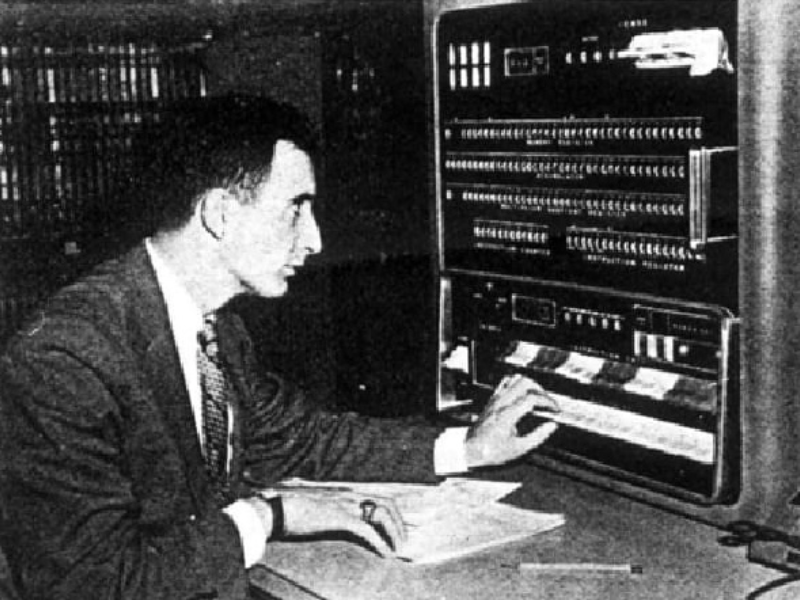
NLP的根源可以追溯到计算机科学和人工智能的早期。20世纪50年代,研究人员开始探索使用计算机处理人类语言的想法。最早的重要项目之一是1954年的乔治城-IBM实验,其中开发了一个将俄语句子翻译成英语的机器翻译系统。该项目展示了NLP的潜力,并引发了该领域更多的兴趣和研究。
关键人物:沃伦·韦弗
沃伦·韦弗是一位数学家和机器翻译的早期先驱,他提出使用统计方法来解决语言翻译问题。在他1949年那份具有影响力的备忘录中,他建议可以将语言视为一种密码学形式,并使用计算机对其进行解码。韦弗的思想为NLP和机器翻译的未来研究奠定了基础。
另请阅读:如何创建大型语言模型(LLM)?
形式语言学的兴起:20世纪60年代和70年代
20世纪60年代和70年代见证了形式语言学的兴起,这对NLP的发展产生了重大影响。诺姆·乔姆斯基是一位著名的语言学家,他引入了转换-生成语法,这一理论彻底改变了人们对人类语言语法和句法的理解。乔姆斯基的工作为解析和分析句子提供了理论框架,这成为了早期NLP研究的基石。
关键人物:诺姆·乔姆斯基
乔姆斯基关于句法和语法的理论对NLP的发展方向起到了重要作用。他的转换-生成语法模型提供了一种结构化的方法来分析句子的句法结构,影响了早期NLP算法和系统的发展。 另见: AKNET 互联网与信息系统有限公司.
机器学习的出现:20世纪80年代和90年代
20世纪80年代和90年代标志着NLP研究的一个重要转变,即机器学习技术的出现。研究人员开始使用统计方法和概率模型来分析和生成人类语言。这个时代见证了关键算法和模型的发展,这些算法和模型构成了现代NLP的基础。 另见: Azarakhsh Ava-e Ahvaz Co.
关键人物:弗雷德里克·耶里内克
弗雷德里克·耶里内克是语音识别领域的先驱,他为统计方法在NLP中的应用做出了重大贡献。他在IBM的托马斯·J·沃森研究中心的工作促成了用于语音识别的隐马尔可夫模型(HMMs)的发展,这些模型后来被应用于各种NLP任务。耶里内克的名言“每当我解雇一位语言学家,语音识别器的性能就会提高”凸显了统计方法在NLP中日益增长的重要性。
深度学习时代:2000年代及以后
2000年代及以后,随着深度学习和神经网络的出现,NLP经历了一场革命。这些技术极大地提高了NLP系统的性能,在机器翻译、情感分析和文本生成等任务中实现了突破。 另见: Windhoos.
关键人物:杰弗里·辛顿、约书亚·本吉奥和杨立昆
杰弗里·辛顿、约书亚·本吉奥和杨立昆常被称为“深度学习之父”,他们为神经网络和深度学习模型的发展做出了开创性贡献。他们的工作对NLP产生了深远影响,特别是在词嵌入、循环神经网络(RNN)和Transformer等模型的发展上,这些模型显著推进了该领域的最新技术水平。 另见: EuroNet.
另请阅读:中国AI聊天机器人语言模型价格下调
现代NLP与Transformer的作用
NLP近年来最重要的进展之一是Transformer模型的发展,例如BERT(来自Transformer的双向编码器表示)和GPT(生成式预训练Transformer)。这些模型在各种NLP任务中树立了新的基准,并在学术界和工业界得到了广泛采用。 另见: DU jiarui.
关键人物:阿什希·瓦斯瓦尼与谷歌大脑团队
阿什希·瓦斯瓦尼和他在谷歌大脑的同事在2017年的开创性论文《Attention is All You Need》中介绍了Transformer模型。该模型通过实现更高效的并行化并提高一系列任务的性能,彻底改变了NLP。此后,Transformer架构成为许多最先进的NLP模型(包括BERT和GPT)的基础。 另见: 弗罗茨瓦夫市政供水与污水处理公司(MPWiK).
自然语言处理是一个经过几十年来众多杰出人物贡献而发展起来的领域。从早期的机器翻译和形式语言学,到现代的深度学习和Transformer,NLP一直受到研究人员工作的塑造,他们不断突破可能的边界。虽然很难将NLP的发明归功于某一个人,但像沃伦·韦弗、诺姆·乔姆斯基、弗雷德里克·耶里内克这样的先驱,以及由辛顿、本吉奥和杨立昆组成的深度学习三巨头的集体努力,在将我们带到NLP当前的技术水平方面发挥了重要作用。随着我们不断进步,当今研究人员的贡献无疑将塑造这个令人兴奋且充满活力的领域的未来。 另见: Vozhd.net.ua.
Domain of operation
Who invented natural language processing? is profiled by BTW Media because published evidence links it to internet infrastructure, governance, operational dependencies, or market visibility.
- Public role: Who invented natural language processing? is framed by who invented natural language processing? is tracked as a internet infrastructure institution within the internet infrastructure ecosystem. and public technology context. 证据基础: Who invented natural language processing? article record; Who invented natural language processing? article record
- Operating surface: Market and Global provide the public context for this institution profile. 证据基础: Who invented natural language processing? article record; Who invented natural language processing? article record
时间线
- Who invented natural language processing? public profile updated
Public coverage records Who invented natural language processing? as a subject for role, operating context, and evidence review.
概要
- 名称: Who invented natural language processing?
- 类型: Internet infrastructure institution
- 所在地: Global
- 档案重点: Institution
功能说明
- 公开记录可用于跟踪其角色、服务和关键关系。
重要性
- Public-source signals support medium-impact monitoring for infrastructure visibility and dependency analysis.
- 运营关键性: Medium
- 时间范围: Next quarter
关注事项
- 监测重点是经核实的服务连续性、治理变化和关系信号。
跟踪经验证的来源更新、角色变化和当前公开证据。
Public-source signals support medium-impact monitoring for infrastructure visibility and dependency analysis.
长期相关性取决于经验证的运营、政策和关系变化。
会员简报
深度档案背景
登录后可解锁完整档案简报和来源说明。
公开视角
The public read of Who invented natural language processing? is limited to visible role, operating context, and relationship evidence.
观察点
- New public role, affiliation, product, policy, or market disclosures.
- Verified relationship changes involving named organizations or people.
限制说明
- Private or unverified claims are excluded from this public view.
常见问题
Why is Who invented natural language processing? included?
Who invented natural language processing? has public evidence that makes the institution relevant to BTW's coverage of digital infrastructure, governance, or markets.
What is public about this profile?
The public layer covers visible role, operating context, linked organizations, and evidence-backed watchpoints.
What should readers watch next?
Readers should watch for source-backed role changes, new partnerships, regulatory exposure, operating expansion, or evidence that changes the public assessment.


