Institution Profiling / ICANN

How did the internet start?

How did the internet start? is tracked as a internet infrastructure institution within the internet infrastructure ecosystem.

How did the internet start?

Sources

Public references used for this article.

External references will appear here after editorial citation review.

CategoryInstitution

How did the internet start? is tracked as a internet infrastructure institution within the internet infrastructure ecosystem.

RegionNorth America

How did the internet start? has public-source relevance to network operations, governance, dependency mapping, or market structure.

Signal FocusGovernance

How did the internet start? has public-source relevance to network operations, governance, dependency mapping, or market structure.

Content TypePROFILE

How did the internet start? is tracked as a internet infrastructure institution within the internet infrastructure ecosystem.

Primary DomainGovernance

Public-source signals support medium-impact monitoring for infrastructure visibility and dependency analysis.

ImpactMedium

Public-source signals support medium-impact monitoring for infrastructure visibility and dependency analysis.

Confidence?Confidence Grade
0.90–1.00AHigh — direct sources
0.75–0.89A/BStrong
0.55–0.74B/CMedium
0.35–0.54C/DWeak–medium
0.10–0.34DWeak signal
0.00–0.09DInternal monitoring
Limited confidence (80%)

Several public sources

  • 互联网起源于1969年的学术项目,现已发展成为一个覆盖全球的商业网络,拥有超过53.5亿用户,其特点是去中心化结构。
  • 互联网由三个关键组成部分构成:最后一公里、数据中心和骨干网,每个部分都在促进全球连接和数据交换方面发挥着重要作用。
  • 1957年为回应斯普特尼克卫星发射而建立的ARPA是一个关键时刻,它推动了ARPAnet的发展,为我们今天所知的现代互联网奠定了基础。

当您刷着无尽的娱乐性TikTok视频,每天勤奋地追看最新新闻更新,或沉浸在YouTube上各种内容中时,您可能会好奇:究竟是什么为所有这些多样的互联网服务提供了基本骨干? 另见: AfriNIC会员名册神秘消失.

互联网是一个无与伦比的奇迹,塑造了我们日常生活的方方面面。它是数字交互背后的无形力量,无缝连接广阔距离,将全球数十亿人联系在一起。 另见: AfriNIC 消失的成员登记册.

渴望了解这项突破性技术的起源以及将其变为现实的有远见的个人吗?敬请阅读! 另见: 亚历杭德罗·费尔南德斯.

另请阅读:什么是公共IP地址?

什么是互联网?

互联网最初是1969年的一个学术研究项目,到20世纪90年代迅速演变为全球商业网络。如今,其覆盖范围已扩展到全球超过53.5亿人,巩固了其作为全球首要计算机网络的地位。 另见: 阿尔多·加西亚.

去中心化是互联网的一个关键特征。没有单一实体声称拥有所有权或决定访问权限。相反,众多独立团体通过自愿互联协议管理各自的网络。 另见: Alcymer Vieira.

另请阅读:什么是ICANN?探秘确保互联网稳定的非营利组织

互联网的构成

互联网由三个基本组成部分构成:最后一公里、数据中心和骨干网。

最后一公里基础设施是宽带网络提供商的大型网络与个人家庭或建筑之间的关键链接。它是数据从网络基础设施传输到设备的桥梁,简化了这一概念。

数据中心是存放服务器的庞大设施,这些服务器存储互联网应用程序、网站和用户数据。有些由谷歌和Facebook等科技巨头拥有,而另一些则由较小的实体运营。 另见: 阿尔西德斯·克雷莫内齐.

数据中心具有快速的互联网连接能力,因为它们能够同时为大量客户提供服务。它们通常位于土地和电力资源易得且成本低廉的偏远地区。 另见: 阿尔贝托·安纳亚.

互联网骨干网作为高性能核心网络,连接着由不同提供商管理的小型子网。这些子网汇聚于骨干网,实现了互联网上的全球数据交换。虽然光纤是数据传输的主要介质,但在某些情况下也会使用卫星链路。


小测验

数据中心在互联网生态系统中扮演什么角色? 另见: 阿尔伯特·基斯.

A. 它们为最终用户提供互联网连接。

B. 它们管理子网和互联协议。

C. 它们容纳存储互联网应用程序、网站和用户数据的服务器。

D. 它们是土地和电力资源成本低廉的偏远地区。

正确答案在文章底部。


ARPA的建立

1957年10月4日,苏联发射了第一颗人造卫星斯普特尼克进入轨道,引发了美国对技术优势的担忧。

作为对斯普特尼克发射的直接回应,德怀特·D·艾森豪威尔总统于1958年成立了高级研究计划署(ARPA)。ARPA的目标是使美国在技术上领先于其他国家。计算机科学是ARPA目标的一个关键组成部分。

ARPA的目标

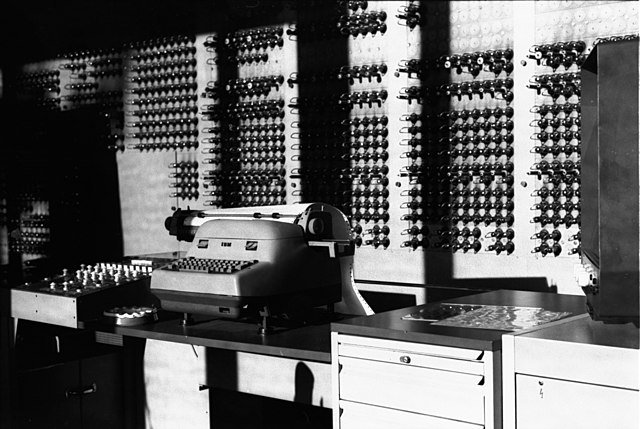
过去,计算机体积庞大且功能不如现代PC。它们通常依赖打孔卡或磁带,且不能相互联网。

ARPA旨在改变这一现状,并邀请了Bolt, Beranek and Newman(BBN)公司的专家来开发计算机网络。

BBN由理查德·博尔特博士、利奥·贝拉内克博士和罗伯特·纽曼于1948年创立,最初是一家专注于声学的知名技术公司,随后将业务扩展到各种尖端技术领域。

手头的任务涉及连接四台运行不同操作系统的机器到网络上。该项目最终促成了ARPAnet的诞生,这是计算机网络领域的一项突破性成就。

文章图片
一台1960年的计算机照片。

ARPAnet的基础

1962年,麻省理工学院和ARPA的科学家J.C.R. Licklider提出了一个革命性的想法:一个“银河网络”的互联计算机,以应对苏联摧毁网络的威胁。这个具有远见的网络旨在确保政府领导人之间的无缝通信。

1965年,另一位麻省理工学院科学家引入了“分组交换”,这是一种开创性的数据传输方法。分组交换在将数据发送到目的地之前将其分成数据包。然后每个数据包可以自主地从一位置传输到另一位置,从而提高了通信网络的效率和可靠性。

这两种方法都与ARPAnet密切相关。利克利德的概念设想了一个由互联计算机组成的去中心化网络,而分组交换为ARPAnet的架构提供了一个基本构件,使得在互联计算机之间能够高效传输数据。

总体而言,这些创新对ARPAnet的发展和现代互联网的演进至关重要。


小测验

J.C.R. Licklider在1962年提出了什么有远见的概念?

A. 一个全球社交媒体平台

B. 一个“银河网络”的互联计算机

C. 第一部智能手机

D. 一种新的编程语言

正确答案在文章底部。


‘LOGIN’

1969年10月29日,ARPAnet迎来了历史性时刻,进行了首次传输:两台计算机之间的“节点到节点”交换。

这两台计算机分别位于加州大学洛杉矶分校和斯坦福大学的研究实验室中,每台都有小房子那么大,它们试图进行通信。

这条简单的“LOGIN”消息意义重大,但导致了系统故障。斯坦福大学的计算机只成功处理了前两个字符。

ARPAnet的扩展

到1969年底,ARPAnet成功连接了四台计算机,但整个20世纪70年代,其规模稳步扩大。

1971年,它纳入了夏威夷大学的ALOHAnet网络,两年后又纳入了挪威皇家雷达研究所和伦敦大学学院的网络。

然而,随着分组交换计算机网络数量的增加,它们汇聚成一个统一的全球“互联网”变得越来越困难。

20世纪70年代末,计算机科学家文顿·瑟夫着手解决这一挑战,他设计了一种方法,使全球各种小网络中的所有计算机能够相互通信。他将自己的发明命名为“传输控制协议和互联网协议”,简称TCP/IP。

1983年1月1日,ARPANET实施了TCP/IP,标志着“网络的网络”组装开始,最终演变为现代互联网。

另请阅读:非洲互联网中断由海底电缆断裂引起

万维网的演进

1991年,随着蒂姆·伯纳斯-李推出万维网,互联网经历了又一次重大变革。这一转变将互联网变成了我们今天所知的易于访问的信息网络。

万维网提供了更强大、更直观的用户体验。通过超链接,用户只需单击即可在网上文档之间轻松导航。

随着时间的推移,网络发生了显著演变,融入了音频、视频和照片等交互元素。20世纪90年代中期,雅虎和亚马逊等公司为成功的网络业务铺平了道路。进入21世纪,Google Docs和Yahoo Maps等功能齐全的在线应用程序出现,进一步增强了网络的功能和用户体验。


小测验

在ARPAnet的首次传输中,两台计算机之间交换了什么消息?

A. “Hello”

B. “Goodbye”

C. “LOGIN”

D. “Logout”

正确答案在文章底部。


互联网的重要性

在当今世界,互联网是必不可少的工具,它使沟通变得简单,提供了丰富的信息,并作为社交互动、教育、商务和娱乐的平台。

它在现代世界中的重要性不言而喻,因为它几乎彻底改变了我们生活的方方面面,包括我们学习和工作的能力、与他人互动以及获取基本服务的方式。

随着我们继续依赖互联网进行日常活动,它作为创新和进步催化剂的作用只会继续增长,塑造社会和全球经济的未来。


正确答案是c、b、c。

Domain of operation

How did the internet start? is profiled by BTW Media because published evidence links it to internet infrastructure, governance, operational dependencies, or market visibility.

  • Public role: How did the internet start? is framed by how did the internet start? is tracked as a internet infrastructure institution within the internet infrastructure ecosystem. and public governance context. Evidence basis: How did the internet start? article record; How did the internet start? article record
  • Operating surface: Governance and North America provide the public context for this institution profile. Evidence basis: How did the internet start? article record; How did the internet start? article record

Timeline

  1. How did the internet start? public profile updated

    Public coverage records How did the internet start? as a subject for role, operating context, and evidence review.

At A Glance

  • Name: How did the internet start?
  • Type: Internet infrastructure institution
  • Base: North America
  • Profile focus: Institution

What It Does

  • Public records support monitoring of its role, services, and key relationships.

Why It Matters

  • Public-source signals support medium-impact monitoring for infrastructure visibility and dependency analysis.
  • Operational criticality: Medium
  • Time horizon: Next quarter

What To Watch

  • Monitoring focuses on verified service continuity, governance changes, and relationship signals.
NowMedium priority

Track verified source updates, role changes, and current public evidence.

QuarterMedium policy sensitivity

Public-source signals support medium-impact monitoring for infrastructure visibility and dependency analysis.

YearNext quarter outlook

Longer-term relevance depends on verified operating, policy, and relationship changes.

Member Briefing

Deeper Profile Context

Login is required to unlock the full profile briefing and source notes.

Only for Strategy Circle

Strategic Circle Access

Open to all readers. Unlock profile briefings after joining and logging in.

Join Strategic Circle

Only for Leadership Alliance

Leadership Alliance Access

For owners and management of IP-holding companies. Login required to unlock.

Join Leadership Alliance

Public View

The public read of How did the internet start? is limited to visible role, operating context, and relationship evidence.

Watchpoints

  • New public role, affiliation, product, policy, or market disclosures.
  • Verified relationship changes involving named organizations or people.

Caveats

  • Private or unverified claims are excluded from this public view.

FAQ

Why is How did the internet start? included?

How did the internet start? has public evidence that makes the institution relevant to BTW's coverage of digital infrastructure, governance, or markets.

What is public about this profile?

The public layer covers visible role, operating context, linked organizations, and evidence-backed watchpoints.

What should readers watch next?

Readers should watch for source-backed role changes, new partnerships, regulatory exposure, operating expansion, or evidence that changes the public assessment.

← BackAll Companies