
机构档案 / 亚太地区机构

Interview with Cheng He, professor of computational intelligence: The ‘billions’ problem

Interview with Cheng He, professor of computational intelligence: The ‘billions’ problem is tracked as a internet infrastructure institution within the internet infrastructure ecosystem.

Interview with Cheng He, professor of computational intelligence: The ‘billions’ problem

来源

本文使用的公开参考来源。

外部参考来源将在编辑完成引用审核后显示在这里。

分类Institution

Interview with Cheng He, professor of computational intelligence: The ‘billions’ problem is tracked as a internet infrastructure institution within the internet infrastructure ecosystem.

地区Asia Pacific

Interview with Cheng He, professor of computational intelligence: The ‘billions’ problem has public-source relevance to network operations, governance, dependency mapping, or market structure.

信号重点Market

Interview with Cheng He, professor of computational intelligence: The ‘billions’ problem has public-source relevance to network operations, governance, dependency mapping, or market structure.

内容类型PROFILE

Interview with Cheng He, professor of computational intelligence: The ‘billions’ problem is tracked as a internet infrastructure institution within the internet infrastructure ecosystem.

主要领域Market

Public-source signals support medium-impact monitoring for infrastructure visibility and dependency analysis.

影响Medium

Public-source signals support medium-impact monitoring for infrastructure visibility and dependency analysis.

置信度?Confidence Grade
0.90–1.00AHigh — direct sources
0.75–0.89A/BStrong
0.55–0.74B/CMedium
0.35–0.54C/DWeak–medium
0.10–0.34DWeak signal
0.00–0.09DInternal monitoring
有限置信度 (76%)

多个公开来源

  • 多目标优化问题是优化领域的热点问题,指的是同时对多个相互冲突的目标进行优化。
  • 扩大数据处理规模的流行方法是使用并行处理,将计算分布到多个处理器上。

进化算法(EAs)几十年来一直是流行的优化工具,在解决各种基准优化问题方面表现出色。然而,在超过100个决策变量的问题(大规模优化问题)上使用进化算法仍然具有挑战性,这是由于“维数灾难”,特别是对于实际应用中的那些LSOPs。

程赫博士简介

程赫博士是中国领先大学之一华中科技大学的教授。他的研究兴趣是人工/计算智能及其应用,已发表40多篇SCI论文。他是IEEE高级会员,Complex and Intelligent Systems的副编辑。他还是PloS One和Electronics的编委,IEEE CIS智能工作组主席。程赫的研究课题是计算智能及其在电网中的应用。 另见: Ziggo集团任命领导人,备战2027年阿姆斯特丹上市.

另请阅读:人工智能的道德伦理讨论

另请阅读:人工智能能否实现意识?

问:在算法中,什么是多目标优化?

这是一个有趣的问题。多目标优化问题是优化领域的一个话题,意思是对多个相互冲突的目标同时进行优化。举个例子,设计一辆汽车时,你希望它安全、便宜,同时性能又非常好。但这可能吗?总是不可能的,因为你需要在价格、安全和性能之间取得平衡。因此,多目标优化就是试图找到这三个相互冲突目标之间的最佳权衡,这就是多目标优化。 另见: Alejandro Estua.

问:你在演讲中还提到了大规模优化。它是什么?

大规模优化是优化领域中一个具有挑战性的问题。举个例子,如果我们想设计一个产品,通常我们只有几个决策变量,比如高度、重量等几个设计变量。但考虑包含数百个甚至数千或数十亿个决策变量的问题,这是一个巨大的搜索空间,你要设计这样的问题将非常耗时且通常是不可能的。这就是大规模优化。这是优化领域的一个挑战性问题。 另见: 亚历杭德罗·曼佐.
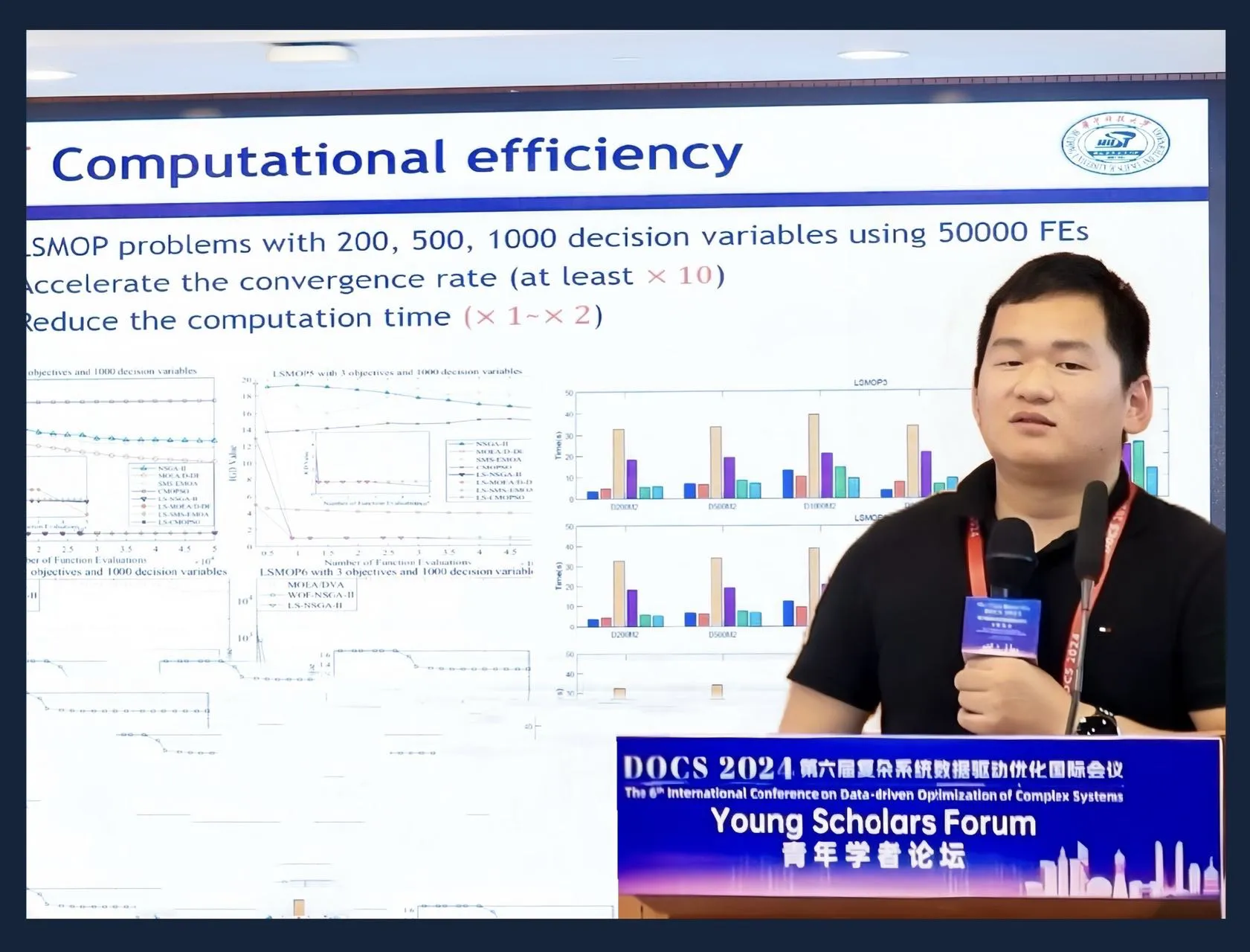
程赫的演讲
程赫的演讲

问:在大规模优化中,从数千到数百万甚至数十亿的规模。我们能做些什么?

目前流行的方法是使用并行处理,将计算分布到多个处理器或机器上。此外,实施分布式计算框架,如Apache Hadoop或Apache Spark,可以通过在计算机集群间分布数据和计算来处理大数据集。技术如主成分分析(PCA)可以在保留数据大部分变异的同时减少数据集中的变量数量。同时,我们可以通过剪枝不需要的部分(如神经网络中的神经元)来降低模型的复杂性。 另见: 亚历杭德罗·埃尔南德斯.

问:你在报告中推荐了LSMOF模型。它如何帮助解决实际问题?

LSMOF算法是一种旨在加速大规模多目标优化问题优化过程的算法,其主要贡献是试图加速优化问题。如我们所说,如果一种算法用于优化一个问题需要数小时甚至数天,但如果你使用这个组件,它可以加速到大约几分钟。因此在实际应用中,你可以将我的算法LSMOF组件作为良好的局部最优逼近方法,从而加速设计过程。 另见: 亚历杭德罗·加尔萨.

问:另一件我真的很感兴趣的是TREE。你在其研究中做了哪些努力?

我们在中国的电压互感器在线协作中使用了TREE技术,在29个省份部署了该方法来监控超过20,000台电压互感器,这被证明是监控这些设备的最有效方式之一,确保了电网的安全。 另见: Alejandro Guerrero.

程赫,华中科技大学教授

这是一个有趣的问题。TREE问题是一个实际应用问题,即电压互感器的比率误差估计。可以说,电压互感器是电网中的基础但关键的设备,用于测量电网电压,用于控制和安全保障等许多非常重要的事项。因此,我们需要监测其健康状态。但传统上我们需要人工对该设备进行手动校准,这意味着必须切断电源,既危险又昂贵。 另见: Alec Gramont.

但如果将该问题转化为一个优化问题,意味着你只需要使用计算机进行计算,就能获得设备的健康状态,节省了人力等,而且安全,从而确保了我们所做工作的电网安全。 另见: AI芯片通胀:设备制造商受挤压,影响超越数据中心.

研究意义

优化算法的研究对网络的未来发展具有重要意义。这些算法使决策过程更加高效,对于管理现代网络的复杂性和规模至关重要。通过加速设计变量的优化和平衡相互冲突的目标,它们为网络架构、资源分配和业务优化方面的创新解决方案铺平了道路。

运营领域

Interview with Cheng He, professor of computational intelligence: The ‘billions’ problem 的公开档案基于可见角色、运营背景和相关报道。

  • 公开角色: Interview with Cheng He, professor of computational intelligence: The ‘billions’ problem 通过公开角色、服务背景和可复核资料进入 BTW 的观察范围。 证据基础: Interview with Cheng He, professor of computational intelligence: The ‘billions’ problem article record; Interview with Cheng He, professor of computational intelligence: The ‘billions’ problem article record
  • 运营面: Market 与 Asia Pacific 构成该机构档案的公开语境。 证据基础: Interview with Cheng He, professor of computational intelligence: The ‘billions’ problem article record; Interview with Cheng He, professor of computational intelligence: The ‘billions’ problem article record

时间线

  1. Interview with Cheng He, professor of computational intelligence: The ‘billions’ problem 公开档案更新

    公开报道将 Interview with Cheng He, professor of computational intelligence: The ‘billions’ problem 记录为需要按角色、运营语境和证据继续观察的主体。

概要

  • 名称: Interview with Cheng He, professor of computational intelligence: The ‘billions’ problem
  • 类型: Internet infrastructure institution
  • 所在地: Asia Pacific
  • 档案重点: Institution

功能说明

  • 公开记录可用于跟踪其角色、服务和关键关系。

重要性

  • Public-source signals support medium-impact monitoring for infrastructure visibility and dependency analysis.
  • 运营关键性: Medium
  • 时间范围: Next quarter

关注事项

  • 监测重点是经核实的服务连续性、治理变化和关系信号。
当前Medium 优先级

跟踪经验证的来源更新、角色变化和当前公开证据。

季度Medium 政策敏感度

Public-source signals support medium-impact monitoring for infrastructure visibility and dependency analysis.

年度Next quarter 展望

长期相关性取决于经验证的运营、政策和关系变化。

会员简报

深度档案背景

登录后可解锁完整档案简报和来源说明。

仅限战略圈

战略圈

所有读者均可浏览。加入并登录后可解锁档案简报。

加入战略圈

仅限领导联盟

领导联盟

面向符合条件的 IP 资产所有者和管理层;登录后可解锁联盟简报。

加入领导联盟

公开视角

Interview with Cheng He, professor of computational intelligence: The ‘billions’ problem 的公开解读限于可见角色、运营语境和有证据支撑的关系。

观察点

  • 新的公开角色、合作、产品、政策或市场披露。
  • 涉及具名组织或人物的已验证关系变化。

限制说明

  • 私人或未经验证的说法不进入公开视图。

常见问题

为什么收录 Interview with Cheng He, professor of computational intelligence: The ‘billions’ problem?

Interview with Cheng He, professor of computational intelligence: The ‘billions’ problem 有公开证据显示其与数字基础设施、治理或市场报道相关。

这个档案的公开部分是什么?

公开层覆盖可见角色、运营语境、关联主体和有证据支撑的观察点。

读者接下来应关注什么?

读者应关注有来源支持的角色变化、新合作、监管暴露、运营扩张或会改变公开评估的证据。

返回全部公司