
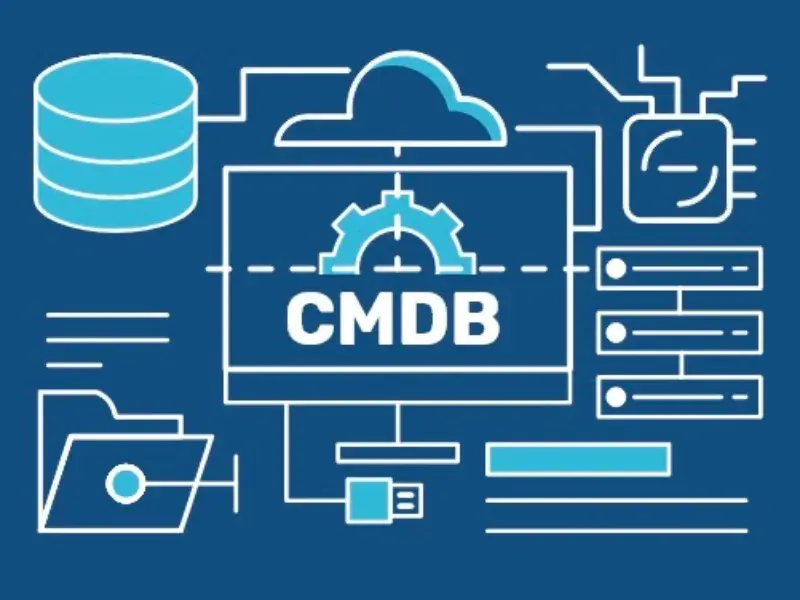
- A CMDB provides a structured way to collect, store, and manage data about IT assets and their configurations.
- Embracing a CMDB allows organisations to maintain a well-structured IT environment, ensuring operational stability and better service delivery.
A Configuration Management Database (CMDB) is a critical tool in IT service management, designed to store and manage information about an organisation’s IT assets and their relationships. The CMDB serves as a central repository for configuration items (CIs), which include hardware, software, documentation, and other components essential for IT operations.
The essence of CMDB
A CMDB provides a structured way to collect, store, and manage data about IT assets and their configurations. It tracks information such as the details of servers, network devices, software applications, and their interdependencies. By maintaining a comprehensive and up-to-date inventory, organisations can better understand their IT environment and ensure that all components work together efficiently.
For example, a CMDB might contain records of all the servers in a data centre, including their hardware specifications, software installations, and network connections. This enables IT teams to view the complete configuration of each server and how it interacts with other components.
Also read: Understanding the purpose of security patches and updates
Also read: 5 types of data that require encryption
Why CMDB matters
In the realm of enhancing visibility and control, a CMDB can provides a single source of truth about an organisation’s IT assets, offering detailed visibility into each component and its relationships. This centralised view helps IT teams manage and control the IT environment more effectively. For instance, when a new application is deployed, the CMDB can show which servers and network devices are involved, facilitating smoother integration and management.
Also, by maintaining an accurate record of CIs and their dependencies, a CMDB helps in diagnosing and resolving incidents and problems. For example, if a server fails, the CMDB can reveal which applications and services are affected, allowing IT staff to address the issue more swiftly and accurately.
At the same time, the CMDB supports change management by providing insights into how changes to one component might impact others. When planning updates or modifications, IT teams can use the CMDB to assess potential risks and ensure that changes do not disrupt other parts of the system. For instance, before upgrading a database server, the CMDB can identify all the applications relying on that server, helping to plan the upgrade with minimal disruption.
Real-world examples
ServiceNow offers a popular CMDB solution that integrates with its IT Service Management (ITSM) platform. It helps organisations like Coca-Cola and Toyota manage their IT assets and improve service delivery by providing real-time insights into their IT infrastructure.
BMC’s CMDB solution provides comprehensive visibility into IT assets and their relationships, helping companies such as Bank of America manage their complex IT environments efficiently. It supports better decision-making and faster response to incidents by offering a detailed view of the IT landscape.
IBM’s Maximo CMDB is used by organisations like NASA to manage their IT assets and maintain operational efficiency. It integrates with other enterprise systems to provide a unified view of assets and their configurations.
A CMDB is an indispensable tool for managing IT assets and configurations. By providing a centralised repository of information, it enhances visibility, improves incident and problem management, and supports efficient change management. Embracing a CMDB allows organisations to maintain a well-structured IT environment, ensuring operational stability and better service delivery.