Summary
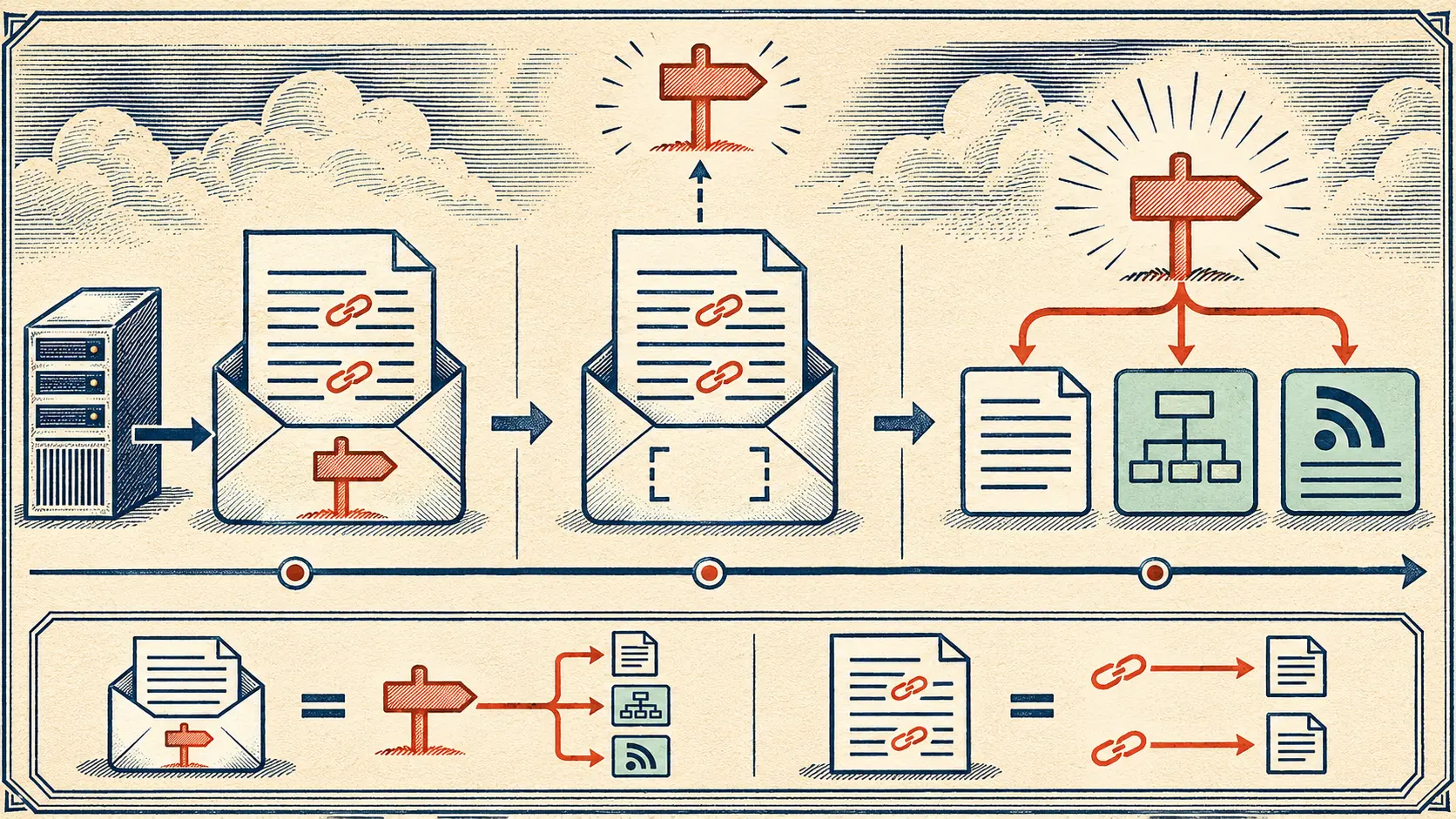
- Microsoft said Windows XP gave a packaged-software user 30 days after first boot to activate. The two routes were Internet and telephone; most preinstalled PCs arrived activated.
- Activation checked a product key against the licensed PC count and associated a product ID with a hardware ID. A successful exchange installed a local licence for normal use.
The box did not finish the sale
In February 2002 testimony, Microsoft executive Jeff Raikes described a clock built into Windows XP. A customer buying packaged software could install it, then had 30 days from the first boot to activate it. Microsoft offered Internet and telephone activation. A shop could put a disc in a box, but the purchaser's working copy still had an appointment with the company. The rule was specific to XP: the same testimony gave Office XP a 50-launch threshold and Visio 2002 ten launches. Those counts do not belong on the XP clock.
Microsoft's October 2001 explanation described the test as checking whether a product key was being used on more personal computers than the licence permitted. In the phone route, Microsoft said it required the installation ID. In the Internet route, it said it received that ID plus connection data. The choice of route mattered to a customer without a network connection, yet both ended with Microsoft confirming the installation. The company also said most computers shipped with Windows XP preinstalled and already activated. The sharpest change therefore met the buyer who installed a packaged copy.
The distant counter inside the local machine
Microsoft's product-activation documentation describes the mechanism: the Clearinghouse, reached online or by phone, associates a product ID with a hardware ID and returns the confirmation that installs a tamper-resistant local licence. That documentation was updated later than the launch, so it explains the machinery; the 2001 announcement and 2002 testimony establish the period rule. The practical hinge is simple. Ownership of the disc supplied the bits. Microsoft's separate confirmation supplied continued normal operation.
The anti-copying rationale was public. The new allocation of control was just as concrete. A move to another machine or a disputed key could put the customer back at the confirmation counter. The source records here do not show a dated retail activation screen or the exact message after day 30; those records would fix the user-facing wording. They do show who ran the counter, the deadline and the two ways to reach it.
Sources
Member Briefing
Deeper Profile Context
Sign in with the right membership level to unlock the full briefing and source notes.
Only for Strategic Circle
Strategic Circle
Open to all readers. Unlock profile briefings after joining and signing in.
Join Strategic CircleOnly for Leadership Alliance
Leadership Alliance
For qualified IP-asset owners and management; sign in to unlock alliance briefings.
Join Leadership Alliance