Institution Profiling / Internet infrastructure institution

What is serverless computing in cloud computing?

What is serverless computing in cloud computing? is tracked as a internet infrastructure institution within the internet infrastructure ecosystem.

What is serverless computing in cloud computing?
Caption: What is serverless computing in cloud computing? visual context for BTW intelligence coverage. · Source context: Existing article media was retained or restored as the subject-specific visual basis. · Relevance reason: What is serverless computing in cloud computing? is the primary subject or event subject; the image supports the article's market reading. · Image provenance: Existing curated article image retained because it is subject- or event-specific and not a generic pool placeholder.

Sources

Public references used for this article.

External references will appear here after editorial citation review.

CategoryInstitution

What is serverless computing in cloud computing? is tracked as a internet infrastructure institution within the internet infrastructure ecosystem.

RegionGlobal

What is serverless computing in cloud computing? has public-source relevance to network operations, governance, dependency mapping, or market structure.

Signal FocusInternet infrastructure institution

What is serverless computing in cloud computing? has public-source relevance to network operations, governance, dependency mapping, or market structure.

Content TypeProfile

What is serverless computing in cloud computing? is tracked as a internet infrastructure institution within the internet infrastructure ecosystem.

Primary DomainSecurity

Public-source signals support medium-impact monitoring for infrastructure visibility and dependency analysis.

TopicInternet infrastructure institution

What is serverless computing in cloud computing? is profiled by BTW Media because published evidence links it to internet infrastructure, governance, operational dependencies, or market visibility.

ImpactMedium

Public-source signals support medium-impact monitoring for infrastructure visibility and dependency analysis.

Confidence?Confidence Grade
0.90–1.00AHigh — direct sources
0.75–0.89A/BStrong
0.55–0.74B/CMedium
0.35–0.54C/DWeak–medium
0.10–0.34DWeak signal
0.00–0.09DInternal monitoring
Limited confidence (82%)

Several public sources

What is serverless computing in cloud computing? is profiled by BTW Media because published evidence links it to internet infrastructure, governance, operational dependencies, or market visibility.

  • Serverless computing is a cloud computing model that allows developers to build and run applications without managing server infrastructure.
  • It means that developers can focus on writing code while the cloud provider handles the server management.

Serverless computing has transformed the way applications are developed and deployed, enabling greater efficiency, scalability, and cost-effectiveness. However, many wonder how it works and what implications it has for software development and operations. In this blog, we explore the fundamentals of serverless computing, its benefits, and potential drawbacks.

What is serverless computing

Serverless computing is a cloud-based execution model where the cloud provider dynamically manages the allocation of machine resources. In this model, developers write functions that are triggered by events, and the cloud provider automatically provisions the necessary resources to execute those functions. This approach eliminates the need for developers to provision or manage servers, allowing them to focus solely on writing code.

Also read: Akamai connected cloud offers an approach to cloud computing

Function and applications of serverless computing

The primary function of serverless computing is to enable developers to deploy applications and services efficiently without worrying about the underlying infrastructure. Key components of a serverless architecture include functions as a service (FaaS), which execute code in response to specific events, and backend services that handle storage, databases, and APIs.

Serverless computing finds applications across various domains:

1.  Web applications: Quickly develop and scale applications with fluctuating workloads.

2.  Data processing: Efficiently process data streams in real-time, such as IoT data or social media feeds.

3.  Microservices: Build and deploy individual services independently, enhancing modularity and scalability.

4.  APIs: Create and manage APIs without the overhead of managing servers.

5.  Chatbots: Build intelligent conversational agents that scale with user demand.

Also read: Who invented cloud computing?
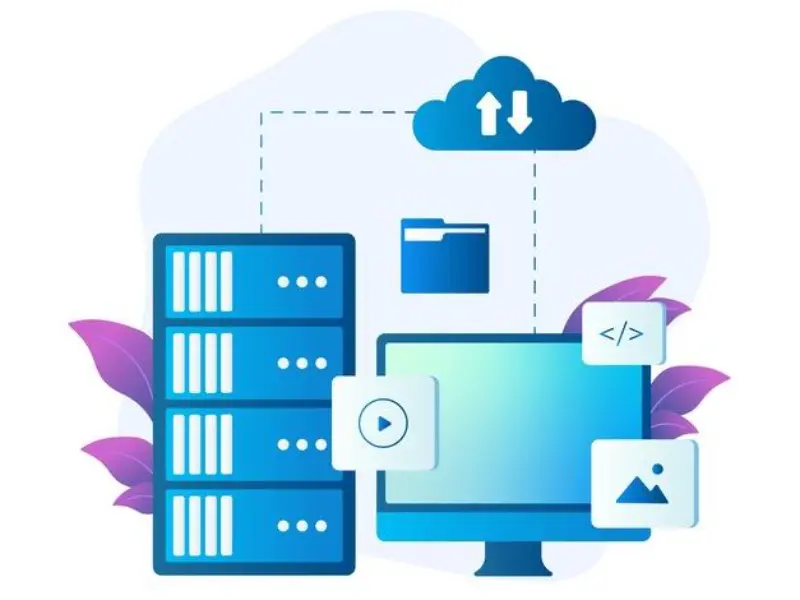
serverless computing

Can serverless computing pose challenges   

While serverless computing offers numerous advantages, it is not without challenges.

1.  Cold starts: When a function is invoked after a period of inactivity, there can be latency as the cloud provider provisions resources, affecting performance.

2.  Vendor lock-in: Relying on a specific cloud provider’s serverless services may limit flexibility and make it difficult to migrate to another provider.

3.  Debugging and monitoring: Traditional debugging techniques may not apply, making it harder to monitor and troubleshoot serverless applications.

4.  Resource limits: Serverless functions often come with execution time and memory limits, which can impact performance for resource-intensive tasks.

Hidden dangers of serverless computing

While serverless computing offers significant benefits, there are potential hidden dangers to consider.

Security is a major concern; serverless applications may introduce vulnerabilities if not properly configured. Since functions run in a multi-tenant environment, there is a risk of data leakage or unauthorised access. Additionally, the abstraction of infrastructure can lead to a lack of visibility into application performance and security issues.

Serverless computing represents a paradigm shift in how applications are built and deployed in the cloud. Understanding its principles, benefits, and challenges is crucial for developers looking to leverage this innovative technology effectively.

At A Glance

  • Name: What is serverless computing in cloud computing?
  • Type: Internet infrastructure institution
  • Base: Global
  • Profile focus: Institution

What It Does

  • Public records support monitoring of its role, services, and key relationships.

Why It Matters

  • Public-source signals support medium-impact monitoring for infrastructure visibility and dependency analysis.
  • Operational criticality: Medium
  • Time horizon: Next quarter

What To Watch

  • Monitoring focuses on verified service continuity, governance changes, and relationship signals.
NowMedium priority

Track verified source updates, role changes, and current public evidence.

QuarterMedium policy sensitivity

Public-source signals support medium-impact monitoring for infrastructure visibility and dependency analysis.

YearNext quarter outlook

Longer-term relevance depends on verified operating, policy, and relationship changes.

Member Briefing

Deeper Profile Context

Login is required to unlock the full profile briefing and source notes.

Only for Strategy Circle

Strategic Circle Access

Open to all readers. Unlock profile briefings after joining and logging in.

Join Strategic Circle

Only for Leadership Alliance

Leadership Alliance Access

For owners and management of IP-holding companies. Login required to unlock.

Join Leadership Alliance
← BackAll Companies