
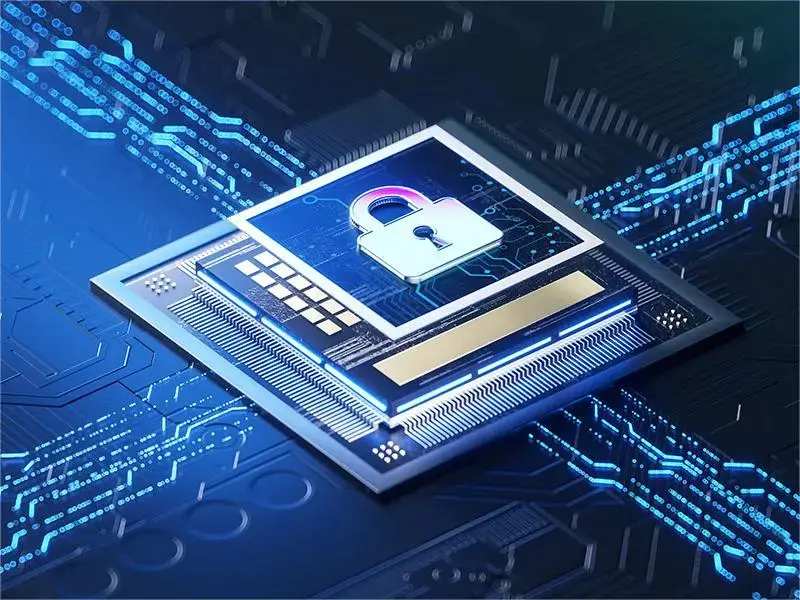
Cybersecurity is crucial for protecting data, systems, and networks from digital threats like hacking, data breaches, and malware. It involves securing the confidentiality, integrity, and availability of information. Emerging trends in cybersecurity include the use of artificial intelligence (AI) for threat detection and the adoption of Zero Trust Architecture to ensure continuous verification of users and devices. Where data breaches, hacking attempts, and cyberattacks have become increasingly common, the importance of cybersecurity cannot be overstated.
But what exactly is cybersecurity, and why is it crucial for individuals and organizations alike? This article explores the fundamentals of cybersecurity, its various domains, and best practices to ensure robust protection against digital threats. Also read: Nokia and SK Broadband boost quantum cybersecurity for Korea Also read: Costa Rica cyberattack underscores need for regional cybersecurity Table of Contents What is cybersecurity? Why is cybersecurity important?
Protecting sensitive data Preventing cyberattacks Complying with legal requirements Maintaining trust Types of cybersecurity Network security Information security Application security Cloud security Common cybersecurity threats Malware Phishing Ransomware Insider threats Cybersecurity best practices Strong passwords and authentication Regular software updates Encryption Employee training and awareness Emerging trends in cybersecurity Artificial intelligence (AI) in cybersecurity Zero trust architecture Quantum computing and cybersecurity The future of cybersecurity FAQ What is cybersecurity?
Cybersecurity Cybersecurity refers to the practice of protecting systems, networks, and programs from digital attacks, damage, or unauthorized access. It encompasses a range of security measures that help prevent data breaches, cybercrime, and other malicious activities targeting information systems. As cybersecurity expert Bruce Schneier notes, “Security is not a product, but a process.” This highlights the ongoing nature of cybersecurity, where measures must constantly evolve in response to emerging threats.
The scope of cybersecurity is broad, addressing everything from securing personal devices to defending massive corporate networks and critical infrastructure. As technology evolves, so do the threats, making it essential to continuously adapt and improve cybersecurity measures. Cybersecurity aims to safeguard the confidentiality, integrity, and availability of information, commonly referred to as the CIA Triad. This triad is the foundational principle in cybersecurity, emphasizing: Confidentiality: Ensuring that sensitive information is only accessible to authorized individuals. Integrity: Protecting data from being altered or tampered with.
Availability: Ensuring that information and systems are accessible and functional when needed. As cyber defense expert Troy Hunt explains, “The most important thing is to never stop learning about the threats, and to adapt your systems accordingly.” This highlights the need for continuous vigilance and education in the ever-changing landscape of cybersecurity. Also read: Understanding regulatory compliance in cybersecurity: A beginner’s guide Also read: Celebrating Cybersecurity Awareness Month to build a secure digital future Security is not a product, but a process. Bruce Schneier, a cybersecurity expert Why is cybersecurity important?
Telecom industry fortifies cybersecurity Cybersecurity is vital for several reasons, primarily due to the increasing reliance on digital technologies in every aspect of our lives. Here are some of the key reasons why cybersecurity is indispensable: Protecting sensitive data Businesses, governments, and individuals all store sensitive data, such as personal information, financial records, and intellectual property. If this data falls into the wrong hands, it can lead to identity theft, financial losses, and severe damage to an organization’s reputation.
As cybersecurity expert Kevin Mitnick puts it, “The goal is not just to secure your system, but to secure the most valuable asset it holds: data.” Protecting sensitive data, whether it’s customer information or intellectual property, is crucial to maintaining trust and preventing costly breaches. Preventing cyberattacks With the rise of cybercrime, cyberattacks have become a major concern for businesses of all sizes. Cyberattacks, such as data breaches, ransomware, and DDoS (Distributed Denial of Service) attacks, can cripple an organization, disrupt services, and result in significant financial losses.
According to former White House cybersecurity advisor Rob Joyce, “The most dangerous threat is the one you don’t know exists until it’s too late.” This emphasizes the importance of proactive cybersecurity measures, such as continuous monitoring and threat detection, to prevent attacks before they occur. Complying with legal requirements Many industries are governed by strict data protection regulations, such as the General Data Protection Regulation (GDPR) in Europe and the Health Insurance Portability and Accountability Act (HIPAA) in the U.S. Failing to comply with these regulations can lead to legal penalties and loss of trust.
As cybersecurity consultant Bruce Schneier warns, “In today’s world, privacy isn’t just a concern—it’s a legal obligation.” Non-compliance can result in costly fines and legal repercussions, which makes robust cybersecurity measures essential for staying within regulatory frameworks. Maintaining trust For organizations, cybersecurity is essential to maintaining customer trust. A single data breach or security incident can damage a company’s reputation and erode customer confidence, leading to a loss of business.
As entrepreneur and tech leader Tim Cook asserts, “Security is a basic human right.” This highlights the importance of prioritizing cybersecurity not just for legal or financial reasons, but as part of a broader commitment to protect customers and users from harm. The goal is not just to secure your system, but to secure the most valuable asset it holds: data.
Rob Joyce, a White House cybersecurity advisor Also read: NTT Data, Palo Alto Networks team up to advance cybersecurity AI Also read: Cybersecurity Awareness Month: How UK businesses can protect themselves Types of cybersecurity Cybersecurity Cybersecurity can be broken down into various categories, each of which focuses on different aspects of digital security. Below are the most important types of cybersecurity: Network security Network security involves securing a computer network infrastructure from unauthorized access, misuse, or attacks. This includes protecting both the hardware and software technologies that manage the network.
Firewalls: A security system that monitors and controls incoming and outgoing network traffic based on predetermined security rules. Intrusion detection systems (IDS): Tools that detect any unauthorized access or activities within the network. Virtual private networks (VPNs): Tools that encrypt users’ internet connections to secure their online activities and protect their privacy. Information security Information security focuses on protecting the confidentiality, integrity, and availability of data, both in storage and in transit. It prevents unauthorized access, disclosure, modification, and destruction of sensitive information.
Key practices include: Encryption: Encoding data to make it unreadable without a decryption key. Access control: Restricting access to sensitive information based on roles and responsibilities. Application security Application security ensures that software applications are free from vulnerabilities that could be exploited by attackers. This includes secure coding practices, regular vulnerability assessments, and penetration testing. Applications are often the primary targets for cybercriminals, and any vulnerabilities in an application can lead to data breaches, financial loss, or system compromise.
Cloud security Cloud security focuses on securing data, applications, and services hosted in cloud environments. With the increasing use of cloud computing, ensuring the safety of cloud-based systems has become crucial. Cloud security measures include: Data encryption: Protecting data stored in the cloud by encrypting it both at rest and in transit. Identity and access management (IAM): Controlling who can access cloud resources and what actions they can perform.
Also read: Understanding penetration testing: A vital measure for cybersecurity Also read: The critical role of penetration testers in cybersecurity Common cybersecurity threats Understanding common cybersecurity threats is key to defending against them. Some of the most prevalent threats today include: Cybersecurity Malware Malware (malicious software) refers to any software intentionally designed to cause harm to a computer, network, or device. Types of malware include: Viruses: Programs that replicate and spread to other devices. Trojan horses: Malicious software disguised as legitimate programs.
Spyware: Software designed to collect information without the user’s knowledge. As cybersecurity expert Mikko Hyppönen explains, “Malware is the weapon of choice for cybercriminals, and the most dangerous part is its ability to evolve quickly and adapt to new environments.” This highlights how malware is not only pervasive but also constantly adapting to circumvent traditional security measures, making it crucial for individuals and organizations to remain vigilant and adopt multi-layered defenses.
Phishing Phishing attacks involve sending fraudulent emails or messages that appear to come from legitimate sources in order to steal sensitive information such as passwords, credit card details, or login credentials. Phishing is often used to gain unauthorized access to accounts or systems. As renowned cybersecurity consultant Brian Krebs points out, “Phishing attacks exploit human trust, which makes them incredibly dangerous.
The more convincing the attacker can make their email or website appear, the more likely they are to succeed.” This underscores the psychological aspect of phishing, where attackers prey on human behavior and trust, making it essential for both individuals and organizations to educate themselves about recognizing such threats and employing security protocols to avoid falling victim. cyberattack Ransomware Ransomware is a type of malware that encrypts a user’s files or entire system, then demands a ransom to restore access.
Ransomware attacks have increased in frequency, with cybercriminals targeting businesses and government institutions for financial gain. As security expert and author, Bruce Schneier, cautions, “Ransomware is a rapidly growing business model for cybercriminals, and it’s clear that these attacks are becoming more targeted and sophisticated over time.” His comment emphasizes the evolving nature of ransomware, where attackers are shifting from indiscriminate, wide-reaching attacks to highly targeted campaigns that cause more significant damage.
Organizations, therefore, must implement stronger preventative measures, including frequent backups and advanced threat detection systems, to minimize the risk of falling victim to ransomware. Insider threats Not all cybersecurity threats come from external sources. Insider threats refer to individuals within an organization, such as employees or contractors, who intentionally or unintentionally compromise security. This could include leaking sensitive information or inadvertently clicking on malicious links.
As former FBI agent and cybersecurity expert Robert Mueller notes, “The greatest threat to an organization’s security is often its own employees—whether intentional or accidental.” This highlights the need for comprehensive employee training, robust internal security protocols, and continuous monitoring to prevent insider threats, whether they stem from malicious intent or simple human error. The greatest threat to an organization’s security is often its own employees—whether intentional or accidental.
Robert Mueller, a FBI agent and cybersecurity Cybersecurity best practices Cybersecurity To effectively safeguard your systems and data, it’s essential to implement cybersecurity best practices. Here are some key practices that can help enhance security: Strong passwords and authentication Passwords are the first line of defense against unauthorized access. Ensure that passwords are long, complex, and unique. Consider using multi-factor authentication (MFA) for added security, which requires users to verify their identity using two or more methods (e.g., a password and a biometric scan).
Regular software updates Software updates often include security patches that fix vulnerabilities in programs or systems. It’s essential to keep all software, including operating systems and applications, up-to-date to protect against known threats. Encryption Encrypting sensitive data adds an extra layer of protection, making it unreadable without the proper decryption key. This is especially important when transmitting data over untrusted networks, such as the internet. Employee training and awareness Human error is often the weakest link in cybersecurity.
Regular training and awareness programs can help employees recognize phishing attempts, understand the importance of strong passwords, and adhere to security protocols. Emerging trends in cybersecurity Cybersecurity As the digital landscape evolves, new technologies and trends are shaping the future of cybersecurity. Here are some key trends to watch: Artificial intelligence (AI) in cybersecurity AI and machine learning are being leveraged to improve threat detection, automate response actions, and predict potential vulnerabilities.
AI can analyze vast amounts of data to identify patterns that might indicate a cyberattack, helping organizations respond more quickly. Zero trust architecture Zero Trust is a security model that assumes no entity—whether inside or outside the organization—should be trusted by default. It requires continuous authentication and verification before granting access to any network or system. Quantum computing and cybersecurity Quantum computing promises to revolutionize computing power, but it also poses a potential threat to current encryption methods.
Researchers are exploring new cryptographic techniques that can withstand the power of quantum computers. The future of cybersecurity Cybersecurity The future of cybersecurity will be shaped by advancements in technology, evolving threat landscapes, and increasing regulatory scrutiny. As cybercriminals continue to develop more sophisticated attack methods, cybersecurity will need to adapt rapidly. Key areas of focus will include: Increased collaboration between private and public sectors. More comprehensive regulations and standards to protect sensitive data.
The integration of AI and machine learning for real-time threat detection and response. In conclusion, cybersecurity is an ever-evolving field that is critical to safeguarding our digital lives. Whether you’re an individual or part of an organization, understanding the principles of cybersecurity and adopting best practices can significantly reduce the risk of falling victim to cyber threats. As the digital world grows, so too will the need for stronger, more sophisticated cybersecurity measures. FAQ 1. What is cybersecurity and why is it important?
Cybersecurity refers to the practice of protecting systems, networks, and data from cyber threats such as hacking, malware, and data breaches. It is crucial because it helps safeguard sensitive information, maintain privacy, and prevent financial losses, identity theft, and reputational damage. As businesses and individuals increasingly rely on digital technologies, ensuring the security of data becomes vital to maintaining trust, regulatory compliance, and the overall functioning of our interconnected world.
Without robust cybersecurity measures, personal and organizational data becomes vulnerable to unauthorized access, exploitation, and destruction. 2. What are the most common types of cyberattacks? The most common types of cyberattacks include phishing, malware, ransomware, and denial-of-service (DoS) attacks. Phishing attacks deceive individuals into revealing sensitive information, such as login credentials or credit card details, by mimicking legitimate communications. Malware is malicious software designed to disrupt or gain unauthorized access to systems, often used to steal or corrupt data.
Ransomware locks users out of their own systems or data and demands payment for its release. DoS attacks flood a system with excessive traffic, rendering it unavailable to legitimate users. Each of these attacks poses significant risks to both individuals and organizations, making proactive cybersecurity measures essential to defend against them. 3. How can I protect myself from phishing attacks? To protect yourself from phishing attacks, it’s important to be cautious and verify the authenticity of any communication that asks for personal or sensitive information.
Never click on suspicious links or download attachments from unfamiliar sources. Instead, manually visit websites by typing the URL into your browser or contact the sender through a verified phone number to confirm the legitimacy of the request. Additionally, enabling multi-factor authentication (MFA) adds an extra layer of security, making it harder for attackers to gain unauthorized access to your accounts. Keeping your operating system, web browser, and antivirus software up to date also ensures that phishing attempts are detected and blocked before they can cause harm. 4. What is ransomware, and how can I prevent it?
Ransomware is a type of malicious software that encrypts a user’s data, rendering it inaccessible, and then demands a ransom from the victim in exchange for a decryption key. To prevent ransomware attacks, one of the most effective strategies is regularly backing up critical files to a secure, offline location. This ensures that even if an attack occurs, you can restore your data without paying the ransom. It’s also important to use up-to-date antivirus software and firewalls to detect and block ransomware before it can execute.
Additionally, exercising caution when opening emails, attachments, or links—especially those from publicly documented context sources—can help prevent accidental downloads of ransomware. Promptly applying security patches and software updates also reduces the vulnerability of systems to ransomware exploits. 5. How can businesses protect their data from cybersecurity threats? Businesses can protect their data by implementing a comprehensive security strategy that includes encryption, employee training, regular backups, and strong technical defenses.
Encrypting sensitive data ensures that even if it is intercepted, it remains unreadable to unauthorized parties. Training employees about cybersecurity best practices, such as identifying phishing attempts and maintaining strong passwords, is essential for reducing human error, which is often the weakest link in security. Regular backups of critical business data ensure that in the event of an attack, recovery is possible without losing important information. Firewalls, antivirus software, and intrusion detection systems provide additional layers of defense to block external threats.
Finally, adopting a Zero Trust Architecture, where every user and device is continuously authenticated regardless of its location, further strengthens security within the organization’s network.