
Summary
- Twilio opened incident x6fwt0bgbnmq at 20:28:24.056 UTC on 30 July, before the fixed reporting window.
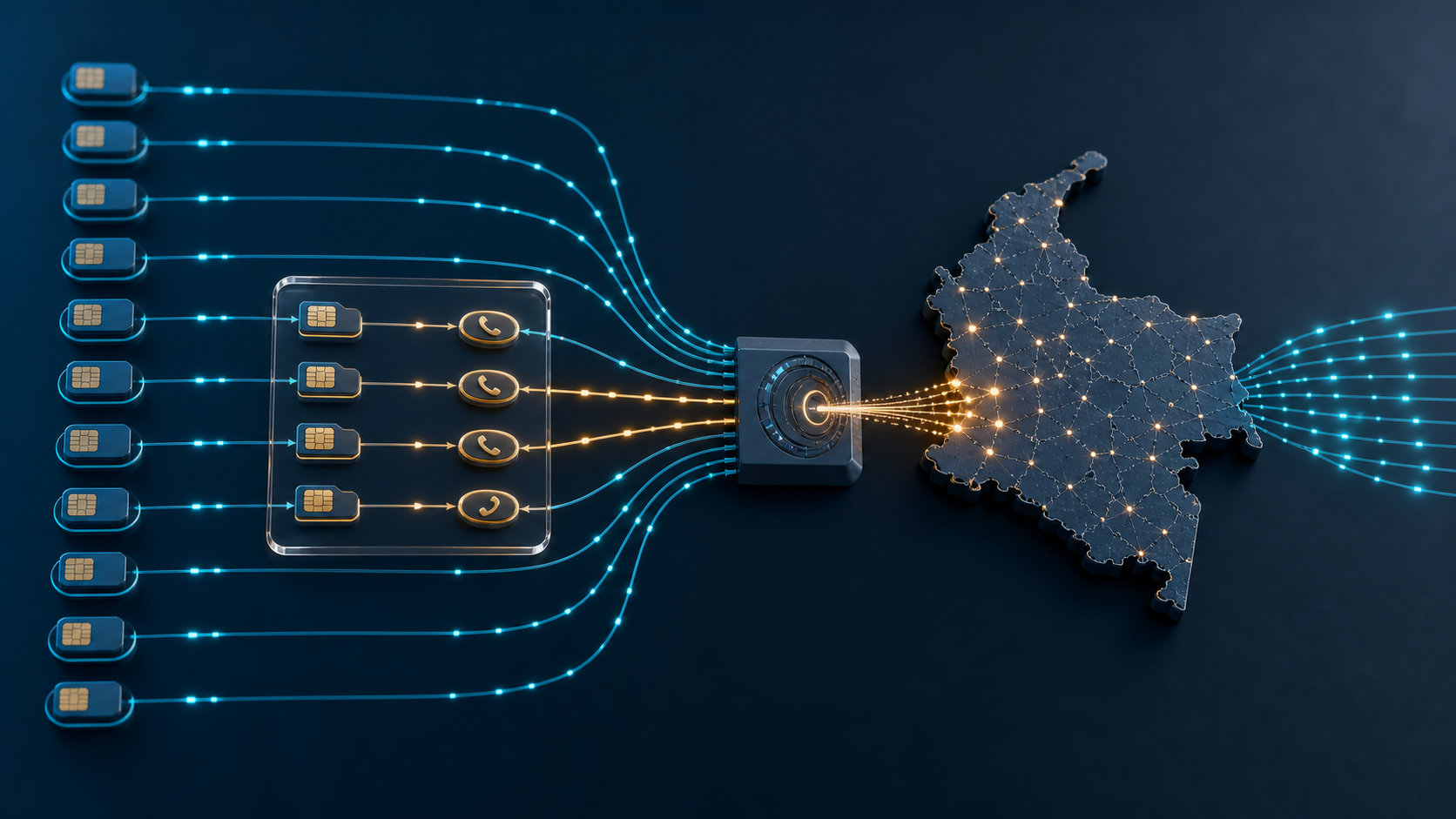
- The first notice described voice-call failures from a subset of Twilio Mobile Numbers to Claro subscribers in Colombia.
- At 20:48:07.661 UTC, the first identified update omitted Claro and said only network subscribers in Colombia.
- Later updates restored Claro; at 00:41:24.746 UTC on 31 July, “Mobile Numbers” changed to “Phone Numbers”.
- Twilio resolved the incident at 02:09:34.991 UTC after 5 hours, 41 minutes and 10.935 seconds, without a monitoring stage.
- No cause, subset size, call count, failure rate, retry outcome, mitigation or explanation of the wording changes was published.
The public scope moved on paper
The opening description supplied three limits: a subset of Twilio Mobile Numbers, voice calls, and Claro subscribers in Colombia. Twenty minutes later, the first identified update retained the number subset and the country but dropped Claro. Subsequent notices restored the operator.
Near the end of the incident, the origin phrase changed from Mobile Numbers to Phone Numbers. The resolved notice used the later wording and named Claro. This is a textual chronology, not a traffic measurement.
Editing cannot stand in for a scope chart
There are several possible reasons for wording changes: correction, simplification, product terminology or new knowledge. The status page does not identify which applied. It never says impact spread beyond mobile-number origins or beyond Claro.
Accordingly, the edits should be recorded but not converted into a graph of expanding impact. There is no inventory of number types, routes or calls against which to quantify them.
The stable limits still matter
Every substantive update retained “a subset”, preventing a claim about all Twilio numbers. Colombia remained the destination country. Claro appeared in the opening, later identified messages and resolution, despite its one-update omission.
The evidence therefore supports a route toward one named network with an undefined origin subset. It does not support a nationwide voice outage, failure across every Colombian operator or failure of all Twilio calls.
Cause identified did not become cause disclosed
Twilio first moved to identified status at 20:48:07.661 UTC, 19 minutes and 43.605 seconds after opening. It repeated that state until resolution. No public update named signalling, numbering, routing, gateway capacity, carrier behaviour or another fault domain.
Claro is a destination in the incident text, not a proven cause. Nor does the wider phrase Phone Numbers assign the problem to a different origin product. Both attributions would exceed the record.
Resolution arrived without public monitoring
The chronology jumped from identified at 00:41:24.746 UTC to resolved at 02:09:34.991 UTC. A missing monitoring stage does not mean there was no internal observation; it means the public record gives no monitoring timestamp or stability interval.
The final notice said calls from the affected subset to Claro were operating normally. It did not describe the mitigation, the pace of recovery or whether every failed call succeeded on a later attempt.
Call failure has a direct but unquantified outcome
A failed call does not establish a voice connection. For automated notifications, authentication, contact centres or collections, the application may retry, choose another channel or mark the destination unavailable. Each response changes cost and customer experience.
Twilio published no use case, call-detail denominator or business loss. Customer call records can show answer status, origin number, destination network, attempt sequence and final workflow outcome, but not platform-wide scale.
Minor remains an unmeasured classification
There is no size for the origin subset, number of calls, failure percentage, customer population or temporal distribution. The minor label cannot tell whether a small number group failed consistently or a larger group saw occasional errors.
Those possibilities illustrate the missing data and should not be selected as fact. Any impact estimate needs the denominator the status page lacks.
What would resolve both the technical and editorial ambiguity
A post-incident account could identify the original and final scope definitions, explain the wording revisions, name the fault domain, publish actual impact times and call outcomes, describe mitigation and state whether retries required customer action.
Until then, the bounded conclusion is that a subset-specific Claro Colombia voice route failed and later returned to normal. Twilio’s text changed during the incident, but no public evidence turns those edits into measured expansion.
