
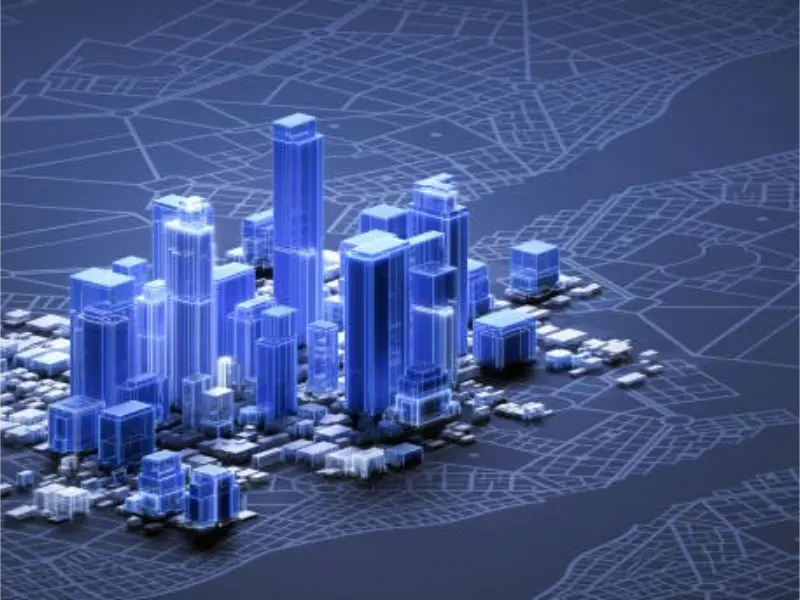
- Innovative technologies and integrated systems are transforming urban living, making cities smarter and more efficient.
- The future of smart cities lies in sustainable practices, advanced connectivity, and enhanced quality of life for residents.
The concept of smart cities has evolved rapidly over the past decade, driven by advancements in technology and the growing need for sustainable urban living. As cities around the world embrace smart technologies, we witness a transformation in how urban spaces are managed, experienced, and lived in. This article explores the current landscape of smart cities and delves into the innovations and trends that will shape their future.
Understanding the smart city: innovations and integration
Smart cities integrate information and communication technology (ICT) to enhance the quality of urban services, reduce costs, and improve sustainability. These cities leverage various technologies to create a more efficient and connected urban environment. Key components of a smart city include:
1. Smart infrastructure: Smart cities rely on advanced infrastructure, such as smart grids, intelligent transportation systems, and energy-efficient buildings. These elements are interconnected through Internet of Things (IoT) devices and sensors that collect and analyse data in real-time, optimising resource use and improving operational efficiency.
2. Data analytics and AI: The backbone of smart cities is data. Through big data analytics and AI, cities can predict traffic patterns, manage energy consumption, and enhance public safety. For instance, AI-driven traffic management systems can reduce congestion and lower emissions by adjusting traffic signals in real-time.
3. Citizen engagement: Smart cities prioritise the involvement of citizens in the decision-making process. Digital platforms and mobile applications allow residents to report issues, provide feedback, and access city services more conveniently. This participatory approach ensures that the needs and preferences of the community are addressed effectively.
4. Sustainability initiatives: Environmental sustainability is a core focus of smart cities. Initiatives such as smart waste management, green energy solutions, and urban farming are implemented to reduce the environmental footprint. For example, Barcelona’s smart waste collection system uses sensors to monitor bin levels, optimising collection routes and reducing fuel consumption.
Also read: The best smart home devices for seamless living
Also read: Smart home devices: Luxuries or necessities?
The future of smart cities: trends and possibilities
Looking ahead, the future of smart cities promises even greater innovation, connectivity, and sustainability. Several key trends are poised to define this future:
1. 5G and beyond: The deployment of 5G technology will significantly enhance the connectivity and capabilities of smart cities. With faster data speeds and lower latency, 5G will support more sophisticated applications, such as autonomous vehicles, remote healthcare, and enhanced public safety systems.
2. Integrated mobility solutions: Future smart cities will see a rise in integrated mobility solutions that combine various modes of transport into seamless, efficient networks. This includes the integration of electric vehicles, autonomous shuttles, bike-sharing programs, and public transport, all managed through unified platforms.
3. Sustainable urban planning: The future of smart cities will place a greater emphasis on sustainable urban planning. Concepts such as circular economies, net-zero buildings, and resilient infrastructure will become standard practices, ensuring that cities can withstand and adapt to environmental challenges.
4. Enhanced quality of life: The ultimate goal of smart cities is to enhance the quality of life for their residents. Future developments will focus on creating livable, inclusive, and safe urban environments. Smart health solutions, improved public spaces, and community-focused initiatives will contribute to the well-being and happiness of city dwellers.
5. Cybersecurity and privacy: As smart cities become more interconnected, the importance of cybersecurity and privacy will escalate. Ensuring that data and infrastructure are protected from cyber threats will be crucial to maintaining public trust and the smooth operation of city services.